Mens western outfits work best when they look like something a real person wore to a feed store, a dance hall, or a long drive on a dusty highway, not like a themed party from a mall catalog. I have spent enough time sorting through Western shirts, boots, and belts to know the difference. The good stuff has some wear in the seams, a little sun fade, and hardware that feels like it was built to last. The bad stuff tries too hard. When you get the balance right, you end up with a wardrobe that feels lived-in, useful, and a whole lot sharper than the average jeans-and-tee uniform.
What makes mens western outfits look authentic
Start with shape. A Western shirt should skim the body, not cling to it, and it should have details that earn their place: pearl snaps, a yoke across the shoulders, sawtooth pockets, and cuffs that roll without fighting you. Rockmount Ranch Wear is the old reliable name people still recognize for pearl snaps, while Wrangler has long been the workwear side of the story with jeans that can actually handle a day of sitting, bending, and walking. If you are shopping vintage, look for even fading, clean stitching, and collars that have not been pressed flat into a new shape.
The easiest way to make the outfit feel honest is to let one piece do the talking. A patterned shirt with plain jeans, or a dark denim shirt with a cleaner belt and boot, usually lands better than piling on every Western cue at once. I have seen plenty of mens western outfits go sideways because the hat, buckle, fringe, and boots all arrived on the same day. Leave some air in the outfit. A little restraint makes the whole thing look like personal style instead of rental wardrobe.
Thrift clues for mens western outfits
At the thrift store, I check three things first: fabric, label, and hardware. Cotton shirts with a little stiffness often hold up better than shiny blends. Older labels from H bar C, Ely, or Wrangler can point you toward better construction, and metal snaps that still close cleanly tell you more than a fancy print ever will. A good shirt usually costs $12 to $35 in a thrift setting, while a clean Western jacket or embroidered overshirt can still be found in the $40 to $80 range if you are patient and not afraid to dig.
Western boots are where people overpay most often, which is a shame because used pairs can be excellent buys. Tony Lama, Lucchese, Justin, and Nocona all show up secondhand, and if the soles are intact and the leather is not cracked through, you can usually get years out of them. I have paid $85 for boots that needed a new heel stack and felt smug about it. I have also paid too much for a pretty pair that pinched my foot every time I wore them. That is vintage life. Every stitch has a story, and sometimes the story is that I should have walked away.
Easy mens western outfits for work, concerts, and weekends
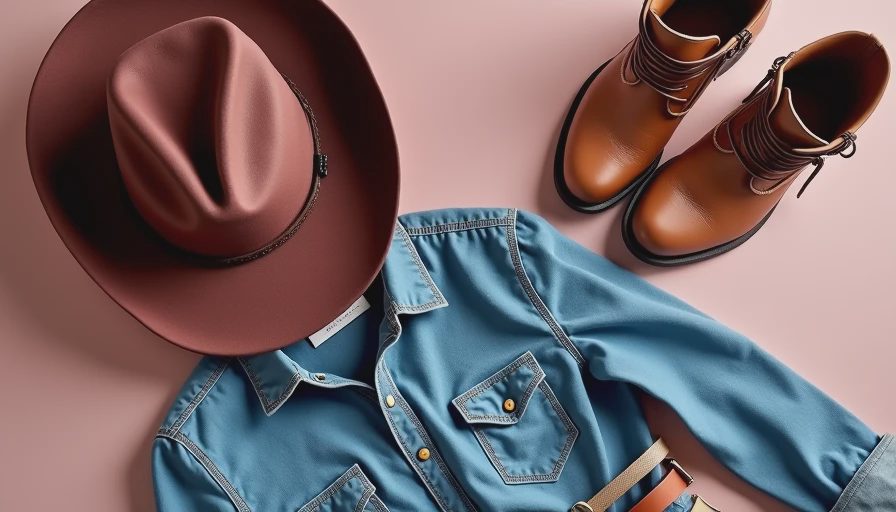
For everyday wear, think in combinations rather than costumes. A white pearl-snap shirt with medium-wash jeans and brown boots is simple and strong. A pale blue Western shirt under a chore jacket works if you want the shape without the full rodeo mood. If you lean toward a little more polish, a dark denim shirt with black jeans and a clean leather belt reads more city than county fair, which can be useful for dinner or a show. This is where mens western outfits earn their keep: they can look specific without looking loud.
The fit of the jeans matters as much as the shirt. Wrangler Cowboy Cut jeans sit differently from slim stretch denim, and that higher rise gives boots room to live under the hem instead of fighting it. If you prefer a straighter leg, Levi's 505 or 501 shapes can work nicely with a Western shirt and belt, especially if the denim has some fade. Keep the color story steady. Rust, indigo, tan, cream, and deep brown will do more for you than an outfit packed with novelty stitching and shiny hardware.
Boots, belts, and the missing middle layer
Most men remember the boots and forget the middle of the outfit. That middle layer is usually a jacket, overshirt, or vest, and it is what keeps the look from feeling flat. A denim jacket with a corduroy collar, a waxed canvas chore coat, or a suede trucker gives a Western shirt something to play against. If you run warm, a vest can do the job without adding much bulk. I like that approach in Savannah, where a full jacket can feel like overkill for most of the year.
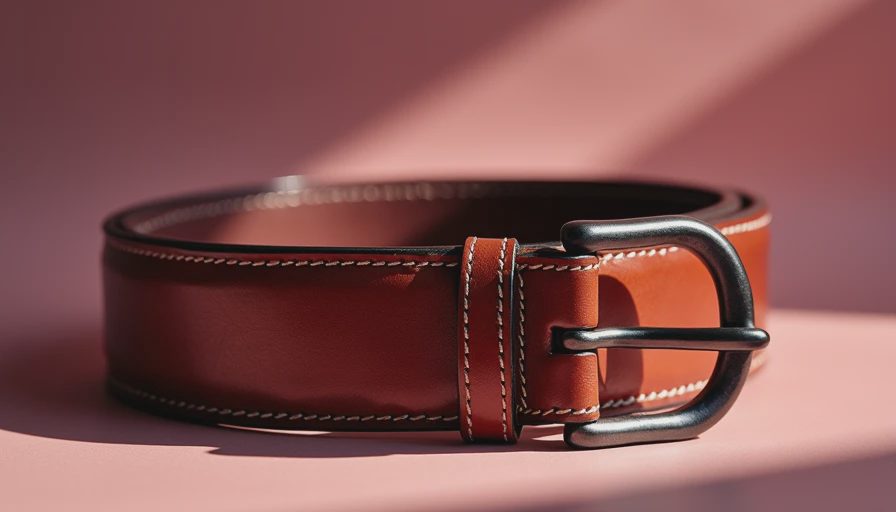
Belts deserve more respect than they get. A plain leather belt with a solid buckle will do more for the outfit than a giant engraved buckle bought on impulse. If you already own a big buckle, wear it with some restraint and let it be the one loud thing in the room. The same goes for hats. A good felt hat or straw hat can look great, but only if the shape fits your face and the rest of the outfit is calm. When the hat is the star, everything else should step back.
Where to spend and where to save
Spend on boots if you plan to wear them often, because good leather, a proper heel, and a shape that fits your foot are worth the extra money. A solid used pair in the $120 to $250 range can be a better buy than a cheap new pair that looks right on the shelf and miserable on the sidewalk. Save on shirts, because Western shirts are one of the easiest things to find at resale shops, estate sales, and local vintage racks. The same goes for belts, especially if you are willing to clean, condition, and re-buckle one that has a few years on it.
If you are building mens western outfits for the first time, start with one honest shirt, one good belt, and boots that have already lived a little. Try the outfit on in daylight, not just under a dressing room bulb, and make sure the proportions feel grounded. If it looks like a costume, remove one thing. If it still feels plain, add texture instead of sparkle. That is usually the whole trick. And if you find yourself reaching for the shirt again next week, you are probably on the right track.


No letters yet — be the first to write.