When mens fashion formal dress is done well, it should feel like a borrowed confidence, not a costume. I learned that the hard way in retail, where the difference between a decent suit and a dead-on one usually came down to an inch in the shoulder, a better cloth, and whether the trousers had enough drape to move. A good formal look can come from a Savile Row-inspired jacket, a Brooks Brothers button-down, or a thrifted 1980s wool suit that only needs a hem and a steam. Every stitch has a story, and the trick is learning which stories are worth wearing to dinner, a wedding, or a black-tie optional invitation.
Why mens fashion formal dress starts with fit, not labels
If the shoulder line is wrong, the whole outfit starts talking too loud. That is true whether you are buying a modern 40 regular from J.Crew or a vintage 42 short from a deadstock rack in the back of a shop. The jacket should follow the edge of your shoulder without hanging off it, and the sleeve should show a little shirt cuff, not a wristful of fabric. I like a trouser with some break, not a puddle, because formal clothes look sharper when they keep their shape while you sit, stand, and actually eat dinner. A well-cut navy suit can look more expensive than a flashy one if the waist suppression is clean and the jacket length lands where it should.
Mens fashion formal dress also rewards patience in the mirror. Try sitting down, crossing your legs, and raising your arms before you buy. If the jacket pulls hard across the button or the back vents flare open like a tent, you are not shopping for style, you are shopping for a tailoring bill. A good tailor can hem trousers for about $20 to $40 and take in a waist for a little more, but they cannot rebuild a bad shoulder. That is why I would rather start with the right base and spend the money where it counts.
Fabric and construction tell you more than the tag
Cloth matters almost as much as cut. A worsted wool suit breathes better than polyester and hangs cleaner in photographs, especially under warm indoor lighting. For three-season wear, look for a midweight wool, a wool mohair blend, or hopsack if you want a little texture. Flannel works when the weather cools off, and a dinner jacket in a sturdy tropical wool can stay comfortable through a long reception. If the garment still has union labels, a Bemberg lining, or hand-finished buttonholes, that is usually a good sign that somebody cared when it was made.
I also pay attention to the bones of the garment. A jacket with a full or half canvas front will usually age better than one fused with glue, because the chest rolls instead of collapsing after a couple of dry cleanings. That is not a theory; it is something you can feel when you run a hand across the lapel. On the rack, I have passed over beautiful-looking jackets that turned out to be shiny plastic under fluorescent light. A $90 wool blazer with real structure beats a $400 synthetic one every time.
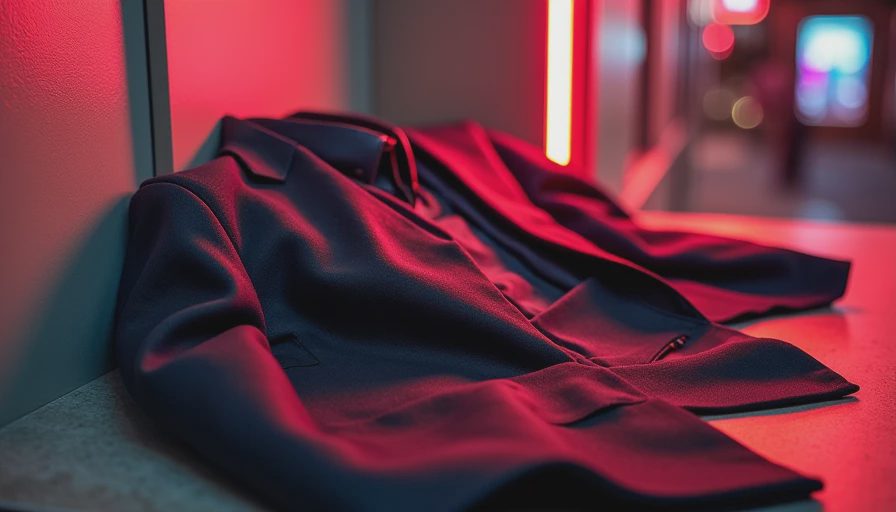
Shirts, neckwear, and the small details that save the outfit
A formal outfit lives or dies on the shirt. A crisp white dress shirt with a point or moderate spread collar covers most situations, and a light blue shirt can work when the event is dressy but not severe. If you are wearing a tie, the knot should match the collar, not fight it. A wider spread collar handles a fuller knot like a half-Windsor, while a narrower collar usually looks better with a four-in-hand. I still like cotton poplin for sharpness, but a twill shirt earns its keep when you want a little more body.
For neckwear, texture helps. A silk grenadine tie, a knit tie, or a simple woven silk tie with a good dimple looks better than a shiny strip that seems to have been printed yesterday. Pocket squares should look tucked, not staged. French cuffs can be handsome if you actually like cufflinks, but a clean barrel cuff is less fussy and easier to wear. This is where mens fashion formal dress gets interesting: the details should look deliberate without making you seem like you practiced in front of a full-length mirror for three hours.
Shoes and outerwear should finish the sentence
The shoe tells people whether you understood the assignment. Black cap-toe Oxfords are the safest formal choice, and they do not need much drama to work. If the event leans less severe, a sleek derby or a polished loafer can be fine with the right suit, but the shoe should still look serious. Patent leather belongs with true black tie more than with a standard wedding suit, and if you buy vintage, check the sole, the heel stack, and whether the leather has dried out around the welt. Allen Edmonds, Alden, and vintage Florsheim pairs can all survive a trip to the cobbler if they were built well.
Outerwear matters too, especially if you are arriving to an event in weather that has opinions. A dark topcoat, a clean overcoat, or even a proper trench can make formal clothes look finished instead of rushed. Skip the giant puffer if you can help it. I have seen an excellent suit lose half its presence under the wrong coat. Mens fashion formal dress works best when the outside layer is calm enough to let the clothes underneath do the talking.
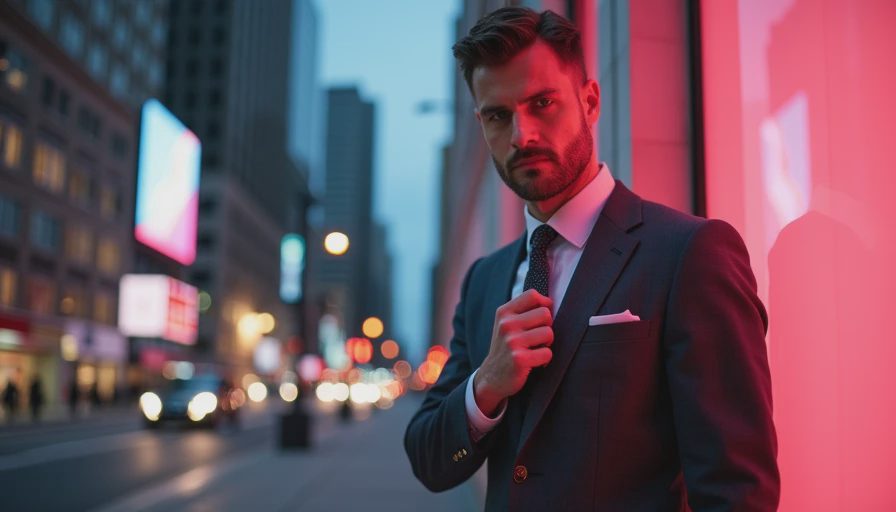
How to shop thrift and vintage without wasting a Saturday
I always start with the easy damage check. Look at the collar for grime, the underarms for wear, the back of the neck for shine, and the seat of the trousers for stress. Then open the jacket and look for moth bites, loose lining seams, and buttons that have been replaced badly. Smell matters more than people admit. A little old wool smell is normal; mildew is a headache. If the piece is worth saving, ask for measurements instead of trusting the tag. Vintage sizing can lie, and it lies with confidence.
Price-wise, a thrift store suit might run from $20 to $60, while a solid vintage wool suit in a curated shop may sit between $75 and $200. A nice dinner jacket can go higher if the cloth is special or the fit is close. That still leaves room for alterations. Hemming trousers, shortening sleeves, and taking in the waist can turn a good purchase into a great one for less than the cost of a new midrange suit. I would rather buy one better garment and pay the tailor than stack up three mediocre ones that never quite sit right.
The moments that call for a little more polish
Weddings, memorial services, client dinners, gallery openings, and holiday parties all ask for a different level of formality, but the same rule keeps showing up: respect the room. For black-tie optional, a dark suit with a white shirt and conservative tie is usually enough. For true black tie, a tuxedo earns its place with satin or grosgrain lapels, a black bow tie, and shoes that look like they belong there. For a first date or a nice dinner, you do not need to overbuild it. A charcoal suit, a white shirt, and a good shoe can say more than a pile of accessories ever will.
If your mens fashion formal dress needs help, start with fit and let the details do the talking. That is the old rule, and it still works because it is honest. A well-chosen suit, a shirt that sits right at the collar, and shoes that have been cared for will carry you a long way. If you are building that look from vintage, take your time and trust the cloth. Every stitch has a story, and the best ones are usually the quietest.


No letters yet — be the first to write.