A good vintage jacket should make you look like yourself on an especially interesting day, not like you lost a bet with a theater department. Learning how to wear vintage without looking costumed comes down to balance: one strong old piece, modern proportions, and enough restraint to let the garment speak. I have watched plenty of excellent clothing get buried under too many matching clues. The fix is usually simpler than people expect.
Vintage is not a uniform. A 1950s wool jacket, 1970s Levi's, or 1990s Ralph Lauren shirt can live comfortably beside contemporary denim, clean sneakers, and a watch you bought last year. The goal is not to recreate an era from head to toe. It is to make history feel useful in the present.
Start with one unmistakable vintage piece
The easiest way to learn how to wear vintage without looking costumed is to choose a single focal point. Let that be a garment with a clear personality: a Pendleton plaid overshirt, a military surplus field jacket, a mohair cardigan, or a pair of 1960s trousers with a generous rise. Build the rest of the outfit from quieter, current pieces.
If you wear a vintage western shirt, try straight-leg jeans and plain leather boots rather than a cowboy hat, bolo tie, and tooled belt all at once. A 1970s sport coat works beautifully with a white T-shirt, dark jeans, and simple loafers. The older item becomes a conversation starter instead of a costume signal.
This approach also protects your budget. You do not need a closet full of rare garments. One $45 shirt with a great collar can do more work than five anonymous new arrivals. Every stitch has a story, but not every stitch needs to introduce itself at the same time.

Fit is the bridge between then and now
Era-appropriate fit can be charming, but wearing the original silhouette without adjustment is where many outfits go sideways. Before judging a vintage piece, look at the shoulder seam, sleeve length, rise, and overall balance. A boxy 1960s jacket may be correct for its decade, yet still look polished if the shoulder sits in the right place and the sleeve ends near the wrist bone.
Tailoring can turn a nearly-right find into something you reach for weekly. Shortening sleeves, taking in a center back seam, or hemming trousers commonly costs $20 to $80, depending on the work and your location. Do not automatically slim everything. A wide-leg trouser should remain wide enough to show its character. Alterations should clarify the garment, not erase its history.
When shopping online, compare the seller's measurements with a garment you already own. Vintage labels are clues, not promises. A tagged 40 from 1968 may fit closer to a modern 38, while a 1990s oversized shirt may have been designed to fit roomy in the first place.
Mix eras instead of recreating one
The strongest outfits often contain a quiet conversation between decades. Pair a 1940s-inspired rayon camp shirt with contemporary fatigue pants. Wear 1980s Levi's 501s with a refined merino sweater. Put a 1970s blazer over a current Oxford shirt. These combinations create depth without looking like a period illustration.
Color is a useful stabilizer. If the vintage item has a loud print, keep the supporting pieces in navy, cream, brown, charcoal, or faded denim. If the shape is dramatic, choose a calmer color. A rust corduroy jacket with black jeans feels intentional; rust corduroy trousers, a patterned shirt, a suede vest, and a wide-brim hat can quickly become a themed outfit.
Learning how to wear vintage without looking costumed means noticing which detail is already doing the work. Once you identify it, stop adding evidence.
Use modern accessories as punctuation
Accessories can anchor an old garment in the current day. A simple canvas sneaker, slim leather belt, nylon tote, or understated digital watch can keep a vintage outfit from drifting into reenactment. You do not need to reject period accessories altogether; just avoid collecting every recognizable symbol from the same decade.
For example, a 1950s bowling shirt can handle white sneakers and a contemporary baseball cap. A 1970s suede jacket might look better with a plain cotton tee and modern running shoes than with a matching suede bag and tinted aviators. Footwear is especially powerful because its shape changes the entire attitude of an outfit.
Condition matters, too. Patina is welcome, but cracked elastic, failing linings, and brittle vinyl can make a garment look neglected rather than lived in. Clean the piece appropriately, replace missing buttons, and repair what threatens its usefulness. A little wear gives clothing character; a collapsing hem gives you a chore.
Build outfits around texture, not nostalgia
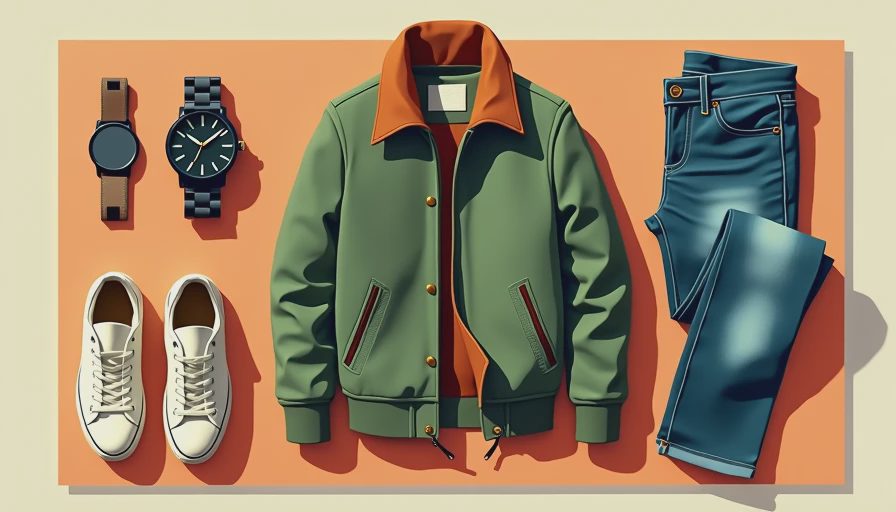
Texture makes vintage feel natural. Combine brushed wool with denim, cotton poplin with corduroy, or rayon with sturdy canvas. These contrasts keep an outfit visually interesting even when the colors are simple. They also help older garments sit comfortably beside contemporary basics.
A faded chore coat over a smooth sweatshirt is a good example. So is a 1960s knit polo with relaxed chinos and leather sneakers. The outfit does not announce a decade, but the fabric, construction, and proportion make it more memorable than a standard mall combination.
When evaluating a thrift-store find, turn it inside out. Look for clean seam finishing, a sturdy zipper from makers such as Talon or Scovill, a union label, and fabric that still has life. A quality zipper is not a guarantee, but it can tell you something about the garment's construction and age. My own expensive mistake was a beautiful-looking jacket with a rotten lining; the outside had a story, and the inside had a deadline.
A practical formula for everyday dressing
For a reliable starting point, choose one vintage layer, one modern basic, one supporting texture, and simple shoes. A 1960s cardigan, white T-shirt, dark denim, and suede desert boots is enough. So is a 1980s chore jacket, gray sweatshirt, olive trousers, and clean canvas sneakers.
Photograph the outfit before leaving the house. In the picture, ask whether your eye lands on one clear feature or several competing ones. If everything is shouting, remove the loudest accessory. If the outfit feels too plain, add texture rather than another era-specific item.
This formula works across budgets and body types because it is based on proportion, not a prescribed silhouette. Someone who prefers a relaxed fit can keep a roomy jacket and pair it with cleaner trousers. Someone who likes a closer fit can use a vintage shirt as the focal point while keeping the outer layer streamlined. Comfort is part of authenticity; tugging at a sleeve all day never looks convincing.
Shop with curiosity, then wear it often
The best vintage purchase is not necessarily the rarest one. It is the piece that fits your actual life. Consider whether you can wear it to work, dinner, a Saturday market, or a walk through the neighborhood. A dramatic 1940s dinner jacket may be magnificent, but a 1970s cotton overshirt might become the garment you remember buying.
Start with fabrics you understand and colors you already wear. Check the care label when one exists, inspect underarm seams, and smell the garment before buying. Ask the seller about repairs or old alterations. That small investigation is part of the pleasure, not homework.
Ultimately, how to wear vintage without looking costumed is less about following strict rules than developing an eye. Let one piece carry the history, make fit intentional, and give the rest of your outfit room to breathe. Wear the garment enough to earn new wear marks of your own. Every stitch has a story, and the best ones continue after you take the piece home.



No letters yet — be the first to write.