If you spend enough Saturdays in thrift stores, you start to notice that 80s mens coats have a way of sneaking past the trend cycle and still looking right. They were built in a moment when men’s outerwear leaned broad, practical, and a little serious, but the good ones still wear easy today. I like that. A coat should do its job in the wind and rain, then still look like something a man chose on purpose. In the right size and fabric, these pieces can carry a whole fall outfit with almost no effort.
Why 80s mens coats still work
The best thing about 80s mens coats is that they were usually designed for real weather, not just a product photo. You get heavier wool, thicker linings, fuller sleeves, and shoulders that were cut with a bit of authority. That sounds old-fashioned until you throw one over a sweatshirt, a chunky sweater, or even a plain oxford shirt and realize the coat does the heavy lifting for you.
I also like the mix of references in this decade. You might see a clean topcoat with a simple three-button front, a long overcoat that feels close to a 1940s silhouette, or a casual wool car coat with hand-warmer pockets and a clean zip front. Brands like Pendleton and Woolrich were making plenty of sturdy outerwear, and even unbranded department store pieces can surprise you if the cloth is decent. In other words, 80s mens coats are less about nostalgia and more about getting value out of good design.
Read the label, lining, and hardware
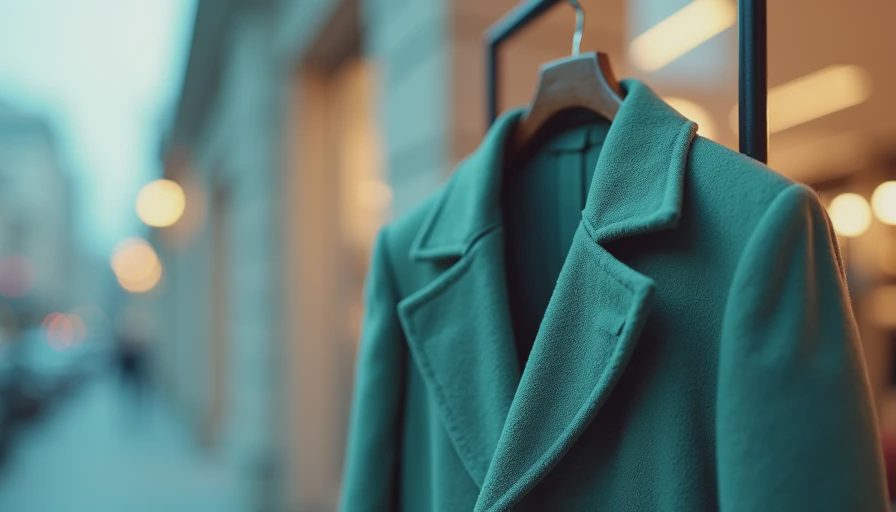
When I inspect 80s mens coats, I start with three things: fabric, lining, and hardware. On the fabric tag, look for wool, alpaca, cashmere blends, or dense melton. A coat that is 70 percent wool and 30 percent nylon can still be excellent if the hand feels firm and the drape looks clean. What I want to avoid is a flimsy shell that sags like a bathrobe after one winter.
Then I flip to the inside. A clean satin or quilted lining is a good sign, but I care more about condition than shine. Torn armholes, dry rot around the collar, and shredded pocket bags are the real headaches. On the front zip or inside closure, names like Talon, YKK, Ideal, and Scovill tell you the coat was made with decent hardware for the era. Union labels, if present, can be a fun clue, too. They do not guarantee quality, but they often point to a period when the garment was made with a little more care than today’s fast-fashion outerwear.
Fit them like real clothes, not costume pieces
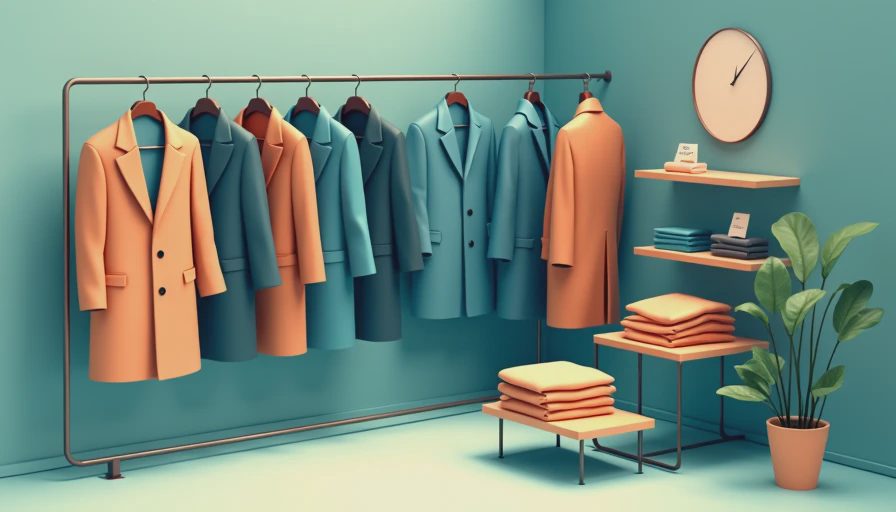
The best 80s mens coats usually win when you let the silhouette breathe. If the coat is roomy in the chest and shoulder, keep the sweater underneath slimmer. If the body is boxier, try straight-leg jeans, work pants, or pleated trousers so the whole outfit feels balanced. A long coat with narrow joggers can look confused. A long coat with sturdy denim and leather boots looks deliberate.
Sleeve length matters more than most shoppers think. I like sleeves that land near the wrist bone and let a shirt cuff show just a touch, but I will forgive a slightly long sleeve if the shoulder is right and the body hangs clean. Hem length is simpler: car coats should hit around the seat, while overcoats can go longer if you actually want coverage. When a coat is too large, it swallows you. When it is the right size, it gives shape without looking stiff.
Where I actually find good ones
I see 80s mens coats turn up in the same places most people overlook. Small-town thrift stores still have the best odds, especially in cooler regions where people owned proper outerwear instead of light shells. Estate sales are strong, too, because older closets tend to hold wool coats that were worn a few times and then stored away. Online, eBay and Etsy are good for label hunting, while Grailed sometimes turns up more fashion-forward versions.
Price is all over the map, but here is a realistic range: a plain thrift-store coat might run $20 to $50, a clean wool piece online often lands around $75 to $180, and something with a known maker, excellent fabric, or military-adjacent detail can go higher. I once overpaid for a camel coat because the lining was immaculate and the buttons were original; I do not regret it, but I also do not pretend it was a bargain. That is the game. You pay for the part that is hard to replace.
Fixes worth paying for, and flaws that should send you walking
A good tailor can save a coat that almost works. Sleeve shortening is possible on many pieces, and a hem repair or lining patch is often cheap compared with buying another coat. Button replacement is easy, and a missing belt on a trench or wrap coat is annoying but not fatal if the rest of the piece is strong. Dry cleaning helps when a coat smells like attic dust or cigarette smoke, though I would ask for a gentle cleaning on anything wool and old.
What I skip are moth holes across the front panel, brittle lining that flakes when you touch it, and shoulder damage that changes the whole silhouette. If the coat has been chewed by age in places you cannot hide, leave it there. The market is full of better examples. The nice thing about vintage is that there is almost always another rack, another box, another Saturday.
Easy ways to wear them now
Most 80s mens coats look best when the rest of the outfit stays grounded. Try one over raw denim, a gray sweatshirt, and blucher shoes. Try another with a rugby shirt, corduroy trousers, and loafers. A dark wool overcoat can sit comfortably over office clothes, while a shorter zip-front coat works with work pants and boots for weekends. The trick is not to dress like you are headed to an era-themed party. Just let the coat be the strongest thing in the outfit.
If you are new to shopping vintage, start with one coat that feels useful, not precious. Check the fabric, check the shoulders, and do not get hypnotized by a dramatic label alone. The right piece should solve a weather problem and give your wardrobe a little character at the same time. That is the whole charm here. Every stitch has a story, and the best ones still have plenty of life left in them.



No letters yet — be the first to write.