When I think about 1986 outfits teen male, I picture a kid who cared about music, sneakers, and getting through homeroom with some dignity. The best version of it is not a Halloween outfit. It is a mix of denim, cotton tees, easy layers, and shoes that look like they have already lived a little. That is the part most people get wrong. They chase the decade’s loudest pieces and forget that real teenagers in 1986 wore clothes they could sit in, skate in, and wear again on Monday.
The good news is that this look is easy to build from thrift stores, mall brands, and a few smart swaps. You do not need a museum piece or a perfect archive tag. You need the right shape, the right wash, and a little restraint. Every stitch has a story, and in this case the story is usually simple: school, records, football practice, and whatever was on MTV after dinner.
Why 1986 outfits teen male still work on the street
The silhouette matters more than the label. In 1986, jeans sat higher than most modern pairs, legs were straighter, and shirts had enough room to move. If you want the look to read correctly, start with denim that is straight or slightly tapered, not skin-tight. Levi’s 501s and 505s are the obvious touchstones, but Wrangler and Lee made plenty of good versions too. A faded stonewash pair can look right immediately, while a dark rinse pair feels a little cleaner and more school-friendly.
Think in terms of balance. If the jeans are fuller, the top should be simple. A plain pocket tee, a boxy crewneck sweatshirt, or a rugby shirt gets you there fast. If the jeans are slimmer, add a layer with some volume, like a denim jacket or chore coat. The trick is to look like somebody with a cassette case in the backpack, not somebody headed to a costume contest.
A lot of thrift stores still have the right raw materials for under $40 if you are patient. I have pulled solid jeans out of old racks for $18, and I have also watched people overpay $90 for a pair just because the seller called them vintage. The cut decides the mood more than the hype does.
Shirts, jackets, and the details that make the decade believable
Shirts are where the outfit starts to feel specific. Solid tees in white, heather gray, navy, or faded red are the safest bet. If you want a little more period feel, go for striped rugby shirts, long-sleeve henleys, or a faded flannel with a relaxed collar. A teen in 1986 could absolutely wear a college sweatshirt, a band tee, or a polo with a popped collar if he had that kind of confidence. I am not recommending the popped collar. I am just saying the decade gave it to us.
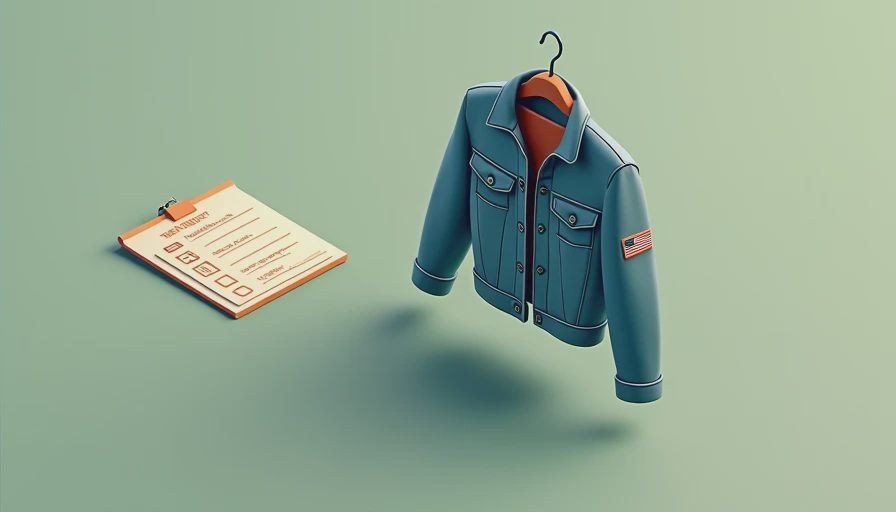
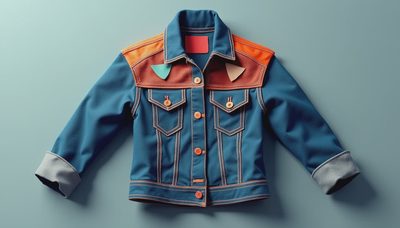
Outerwear does a lot of heavy lifting. A trucker jacket, a satin bomber, a nylon windbreaker, or a varsity jacket can put the whole look in the right place with one move. Look for YKK zippers, Talon pulls, or old Scovill hardware if you are checking construction. Those details are not magic, but they tell you whether a piece has some age and some honesty to it. If the jacket feels too shiny or the logo too modern, it starts leaning costume again.
Color helps too. Navy, heather gray, forest green, burgundy, and washed black all feel believable. Neon can work, but use it like hot sauce. A little wakes things up. Too much and the whole plate is ruined.
Shoes and accessories that finish the outfit
Shoes can make or break the whole thing. White leather sneakers, Converse Chuck Taylors, Reebok Classics, or simple Vans all fit the lane. Clean is fine, but spotless can look wrong. A little wear gives the outfit some gravity. If the shoes are newer, let the rest of the outfit be more relaxed. If the shoes are truly vintage, keep them in good shape and replace the laces before they fall apart in the parking lot.
Accessories should stay practical. A Casio digital watch, a canvas belt, tube socks, or a simple beanie tells the story without shouting. A Swatch can also fit if you want something more playful. Avoid piling on too many era props at once. One watch, one good belt, and maybe a chain if that feels natural is enough. You are trying to suggest a year, not reenact a yearbook photo.
This is where a lot of people accidentally go too far. They add suspenders, huge sunglasses, a member’s-only jacket, and a neon headband, then wonder why the outfit looks staged. In real life, the best 1980s outfits were usually built from ordinary pieces worn with confidence.
How to thrift the look without getting burned
Shopping secondhand for this style is mostly about patience and tags. Start with men’s denim, college gear, and athletic basics. Check the shoulder fit first, then the rise, then the leg. A pair of jeans can be hemmed. A bad shoulder cannot. For tees and sweatshirts, look for soft cotton, sturdy neck ribs, and prints that have faded evenly. A Russell Athletic or Champion piece often wears well because the fabric and construction were made to take abuse.
Price matters, too. In many thrift shops, a clean tee should live around $10 to $20, jeans around $20 to $45, and a good jacket anywhere from $35 to $90 depending on condition and brand. If a seller is asking more, the piece should have the kind of fit or provenance that justifies it. Maybe it has a perfect fade. Maybe it has a union label or a deadstock feel. Maybe it just fits like it was made for you.
I still remember overpaying for a satin jacket because the color was perfect. I got it home, tried it on, and realized the sleeves were built for somebody with a very different life than mine. That is the lesson. Vintage forgives a lot, but not everything. Try it on, move your arms, and make sure the outfit can survive a hallway, a diner booth, and a Saturday afternoon.

Three easy outfit formulas for school, weekends, and shows
For school, start with straight-leg Levi’s, a plain white tee, and a navy windbreaker. That gives you the bones of the look without feeling too styled. Add clean Converse or Reebok Classics, and you are done. It is the sort of outfit a kid could wear to first period and still look decent at the record store after lunch.
For a weekend hangout, swap in a faded chambray shirt over a gray tee, then add washed jeans and a simple belt. If you want a little more personality, choose a red or green overshirt and let the sleeves bunch naturally. The outfit should feel a little lived-in, like it has been borrowed from an older brother and improved by accident.
For a concert, bring in a black denim jacket or a bomber, a band tee, and boots or beat-up sneakers. Keep the pants simple. When there is music, sweat, and a crowd, the best clothes are the ones you do not think about once the first song starts. That is the sweet spot for 1986 outfits teen male: simple, believable, and ready for real life.
How to modernize it without losing the era
You do not have to dress like a time capsule to get the feeling right. A slightly cleaner sneaker, a better-fitting tee, or a relaxed straight jean can keep the outfit usable today. If you want a modern edge, choose one strong 1980s signal and let the rest stay quiet. That might be a varsity jacket, a striped rugby, or a faded denim shirt. The rest can be current basics in good fabrics.
If you get the proportions right, 1986 outfits teen male stops looking like nostalgia and starts looking like taste. That is the whole trick. Start with the shape, respect the fabric, and keep one foot in the present. The result feels authentic, easy, and just a little bit cooler than whatever is hanging on the new arrivals rack.


No letters yet — be the first to write.