The phrase bbw pinup brings a very particular picture to mind: high-waisted trousers, a sweetheart neckline, red lipstick, and the confident glamour of a 1940s movie poster. But the best version is not a costume assembled from novelty pieces. It is a wardrobe with shape, texture, and a little history behind it. Whether you are shopping true vintage or building the look with modern garments, the goal is the same: clothes that fit your body and give you room to move.
I have handled enough vintage clothing to know that the label tells only half the story. A 1950s dress can be gorgeous on a hanger and completely wrong for your proportions. A plain cotton blouse with a good collar, on the other hand, can become the backbone of an entire wardrobe. Every stitch has a story.
Start with the silhouette, not the size tag
Pinup dressing is built around contrast. A fitted waist can sit above a full skirt. A cropped cardigan can balance a high-rise trouser. A structured jacket can give shape without squeezing the body. For bbw pinup styling, those relationships matter more than chasing one supposedly correct garment size.
Vintage sizing is famously inconsistent. A dress marked 18 in 1956 may measure closer to a modern 12 or 14, while an old workwear trouser can offer far more room than its tag suggests. Measure the bust, natural waist, fullest hip, shoulder, and garment length. Compare those measurements with the seller's actual numbers. If you are standing at a thrift rack, bring a soft tape measure or use the fitting-room measuring trick: wrap the waistband around your neck, then confirm the result before buying.
Look for seams that sit where they should. A shoulder seam drifting several inches down the arm can make a blouse look accidental. A waist seam that lands above the natural waist may be intentional empire styling, or it may simply be the wrong garment. The mirror should tell you the difference.
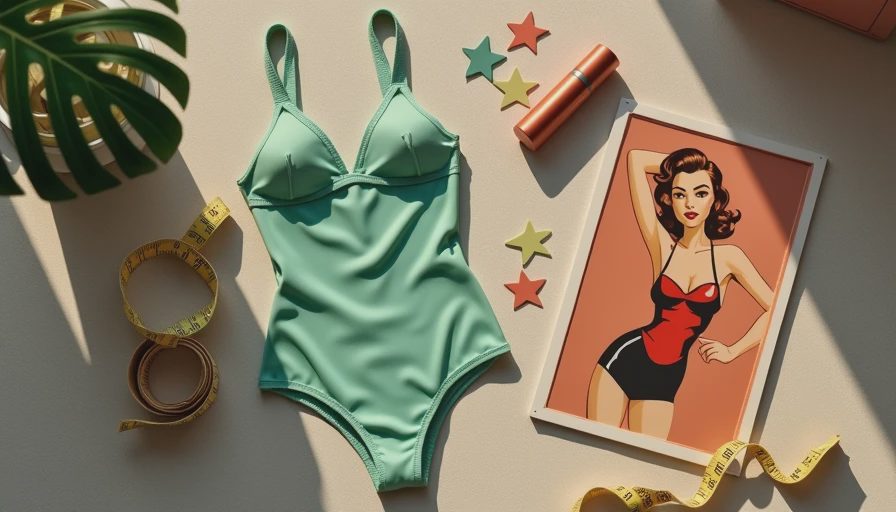
Fabrics that make the look feel grown-up
The easiest way to keep bbw pinup outfits from looking like party-store costumes is to choose convincing fabric. Cotton poplin, rayon crepe, wool gabardine, denim, linen, and sturdy rayon all have a natural visual authority. They drape, crease, and age in ways that polyester novelty fabric usually cannot.
A rayon blouse from the late 1940s may have a fluid hand and a slightly heavy drape. A wool gabardine pencil skirt can hold a clean line through a long dinner or an afternoon of errands. Seersucker and cotton pique are especially useful in warm Southern weather because they have texture without needing decoration. For a beginner, one solid-color skirt and one printed blouse will do more work than a closet full of themed separates.
Inspect fabric under bright light. Check the underarms, waistband, crotch, and neckline for thinning, discoloration, or old repairs. Small, honest mends are part of vintage life. A weak waistband or brittle fabric is a larger problem because alterations can only rescue so much. I once paid too much for a beautiful rayon dress with a perfect print and discovered, at home, that the sleeve had the structural integrity of tissue paper. The lesson stayed with me.
Building a bbw pinup wardrobe one piece at a time
Begin with a foundation that can be worn three ways. A black or navy high-waisted skirt works with a tucked blouse, a fitted knit top, or a short jacket. Add wide-leg trousers in denim or gabardine for a less formal option. The famous pinup pencil skirt is not mandatory; a gently flared skirt often feels easier to walk in and can be just as period-appropriate.
Tops deserve careful attention. Look for open collars, shaped darts, cuffed sleeves, and buttons made from glass, metal, or substantial plastic. A camp shirt in rayon can create a 1940s mood without shouting for attention. A knit cardigan with real ribbing brings the 1950s influence forward. If you prefer menswear, try a tucked Western shirt, a bowling shirt, or a short-sleeved work shirt with high-rise trousers. Vintage style does not belong to one gendered formula.
Outerwear is where a look often becomes convincing. A cropped wool jacket, denim chore coat, or fitted gabardine blazer gives the outfit a clear finish. Search for Talon or Conmar zippers, union labels, and sturdy horn-style buttons, but treat hardware as evidence rather than a guarantee. A modern reproduction can use vintage-looking parts, and a genuine old garment can have replacement hardware.
Fit adjustments worth paying for
A good alteration can turn a promising bbw pinup piece into the one you reach for every week. Hemming is usually straightforward. Replacing a zipper, moving a button, or taking in a side seam can also be sensible. Letting out a garment is more complicated because the needed fabric may not exist in the seam allowance.
Ask a tailor to preserve original details whenever possible. A metal zipper, decorative topstitching, or unusual cuff can be part of the garment's character. For a dress, have the tailor pin the hem while you wear the shoes you actually plan to use. For trousers, check the rise before discussing the leg. A short inseam is easy to solve; a rise that cuts into your comfort is a different conversation.
Underlayers matter, too. A smooth camisole, well-fitting slip, or supportive bra can change how a blouse hangs. That does not mean reshaping your body to suit the clothing. It means giving the fabric the conditions it was designed to have. Comfort is part of glamour, not its enemy.
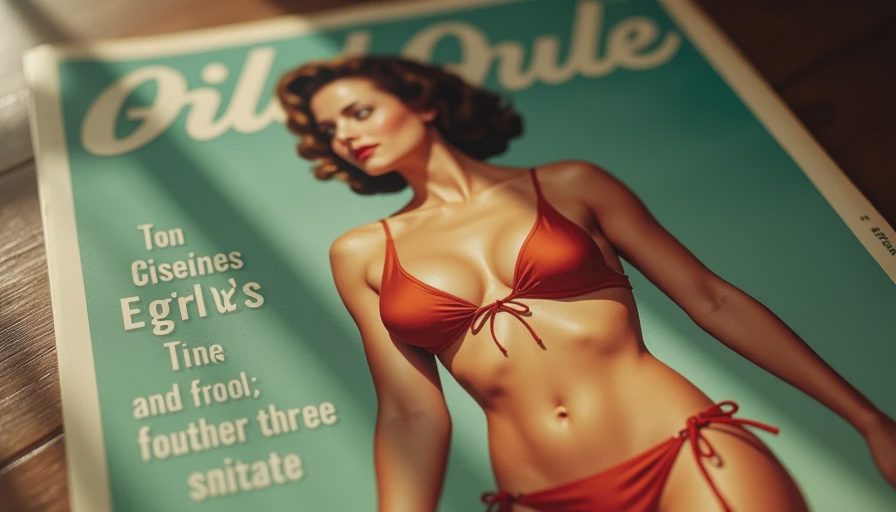
Hair, makeup, and accessories without the costume feeling
Accessories should echo the era rather than overwhelm it. A bandana tied at the crown, cat-eye sunglasses, saddle shoes, or a leather belt can suggest pinup styling with one deliberate gesture. You do not need every cue at once. Red nails with a denim shirt may be enough; adding a novelty cherry dress, victory rolls, and rhinestone jewelry can push the outfit into costume territory unless that is exactly your intention.
For bbw pinup looks, scale is useful. A larger frame can carry a substantial belt, bold earrings, or a structured handbag beautifully. Proportion is not a rule that says “hide.” It is a tool for making the outfit feel balanced. Try a wide belt over a dress, then remove it and look at the difference. The better choice is the one that lets you breathe and keeps you interested in the mirror.
Shoes can shift the entire message. A low-heeled spectator pump reads polished, while a lace-up work boot makes the same skirt more practical. Look for leather soles, solid stitching, and replaceable heels in older shoes, but remember that vintage footwear can be less forgiving than vintage clothing. Modern comfort is a perfectly respectable companion to an old-fashioned silhouette.
Where to shop and how to judge the price
Thrift stores, estate sales, online vintage shops, and local flea markets all have different strengths. A thrift store may yield inexpensive skirts but offer little information. A specialist seller often charges $80 to $250 for a carefully measured dress, yet the garment may be cleaner, more accurately dated, and easier to return. A rare rayon print or documented designer piece can cost more, while a simple cotton skirt may still land under $50.
Before paying, ask for measurements, flaws, cleaning history, and photos of the closures. Search terms such as “mid-century plus size dress” can be useful, but sellers do not always use consistent language. The phrase bbw pinup can help locate inspiration and communities, while broader terms such as vintage swing dress, plus-size rockabilly, and 1940s rayon blouse may uncover better garments.
The strongest bbw pinup wardrobe is not the one with the most dramatic pieces. It is the one where every skirt works with several tops, every jacket earns its hanger, and the wearer feels recognizable rather than disguised. Buy slowly, inspect the details, and trust the garment that makes you stand differently. That small change in posture is often the real magic of vintage.

No letters yet — be the first to write.