The best 80s clothes for women do not announce themselves with a neon sign. They show up as a sturdy cotton sweatshirt, a sharp wool blazer, or a pair of jeans with a zipper that still has some fight in it. I have spent years sorting vintage racks, and the pieces that work today are usually the ones with good fabric, sensible proportions, and just enough period character to tell the story.
The decade was bigger than shoulder pads and fluorescent spandex. American closets held soft rayon blouses, high-waisted denim, leather belts, pleated trousers, cotton dresses, and wonderfully overbuilt jackets. That range is good news for anyone building a vintage wardrobe. You can borrow the silhouette without dressing like you are headed to a themed office party.
What Made 80s Clothes for Women Distinctive
The easiest way to understand 80s clothes for women is to look at shape first. Tops often carried more volume through the shoulder and sleeve, while the waist could be defined with a belt or a tucked-in hem. Jackets were cut with structure, but not always in the stiff, exaggerated way popular memory suggests. A good wool blazer from the era can have a generous chest, a clean lapel, and a surprisingly modern line.
Fabric tells the next part of the story. Look for wool, cotton, silk, rayon, linen blends, and substantial denim before reaching for novelty synthetics. Polyester was common, but it was not automatically poor quality. Some vintage polyester blouses have excellent drape and resist wrinkles better than many modern alternatives. Hold the garment up to the light, inspect the seams, and run your hand over the surface. Thin fabric, skipped stitching, and brittle elastic are warning signs.
Tags can help with dating, though they are not a courtroom verdict. Union labels from the International Ladies' Garment Workers' Union, older department-store labels, and made-in-USA tags can point toward a period, while a modern reproduction can imitate almost anything. The zipper, lining, and seam finish usually tell me more than the label alone.
How to Shop the Thrift Rack Without Getting Fooled
Start with the areas other shoppers overlook. Blazers may be filed under career clothing, pleated trousers under uniforms, and cotton dresses under ordinary casual wear. In a Southern thrift store, linen and lightweight rayon can be especially useful because they handle warm weather better than a heavy novelty sweater. Search by material and construction, not only by decade language on a tag.
Check the garment in a fixed order. First, examine the collar, cuffs, underarms, and waistband for discoloration. Next, test every zipper gently; a YKK zipper is common and easy to replace, while an old Talon or Scovill zipper can be a lovely detail but may need a patient tailor. Then inspect the lining for tearing and the buttons for replacements. Finally, look at the hem. A generous original hem gives you room for alterations, which can turn a nearly-right find into a dependable favorite.
Budget matters. A clean vintage blouse may land around $12 to $30 at a thrift store, while a strong wool blazer can run $35 to $90. Specialty shops charge more because someone has already done the washing, repair assessment, and measuring. I once paid too much for a supposedly rare jacket because I fell in love with the label before checking the moth damage. Every stitch has a story, but not every story deserves your money.
Building an Outfit Around One Strong Piece
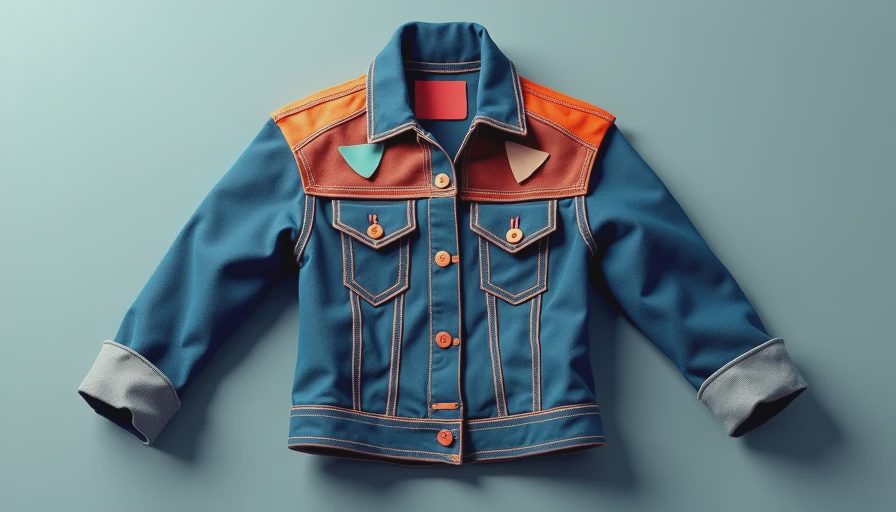
The trick with 80s clothes for women is to let one period piece lead. Pair a broad-shouldered blazer with a plain T-shirt, straight-leg jeans, and simple loafers. A printed rayon blouse can sit under a denim jacket with dark trousers. A high-waisted skirt can look current with a tucked-in knit and low-profile sneakers rather than matching it with every visible trend from 1986.
Color is another useful lever. Jewel tones such as teal, burgundy, cobalt, and emerald feel unmistakably vintage without becoming costume-like. Cream, navy, camel, and black calm down a louder print. If the garment already has a dramatic shoulder or busy pattern, keep the shoes and accessories quiet. A leather belt, small hoop earrings, or a watch with a simple metal bracelet usually does more than a pile of plastic bangles.
Proportion matters more than strict historical accuracy. A roomy jacket needs visual balance, but that does not mean wearing skinny pants automatically. Try a straight jean, a tapered trouser, or a skirt with a clean hem. The right combination should let you move comfortably. If you spend the whole day tugging at a waistband or managing a sleeve, the garment is not doing its job.

Fit, Alterations, and Comfort
Vintage sizing is a rough map, not a reliable address. A tagged size 10 from the 1980s may fit very differently from a current size 10, and shoulder width can vary dramatically between brands. Measure the garment flat when shopping online: pit to pit, shoulder to shoulder, sleeve length, waist, hip, and total length. Compare those numbers with something you already wear instead of trusting the tag.
The most useful alterations are often small. A tailor can shorten sleeves, move a button, adjust a hem, or take in the side seams for roughly $15 to $60 depending on the work and local rates. Shoulder alterations are more involved, so buy jackets that fit across the shoulders first. Dresses with extra seam allowance are excellent candidates for reshaping, while garments with brittle fabric or no allowance should be treated more carefully.
Do not ignore comfort in pursuit of an era. Check whether a blouse pulls across the back, whether a skirt sits naturally when you walk, and whether the lining clings in warm weather. A beautiful piece that never leaves the closet is not a bargain. The best 80s clothes for women become regular clothing once the fit feels like yours.
Cleaning and Caring for Vintage Finds
Read the fiber content, but also trust your hands and eyes. Cotton and sturdy polyester often tolerate gentle washing, while rayon can shrink, twist, or lose its shape when handled roughly. When in doubt, spot-test an inconspicuous area and use cold water. Air-drying is safer than a hot dryer for nearly every vintage piece.
Before wearing a thrifted garment, inspect it in daylight and clean it according to its condition. A wool blazer may need professional dry cleaning, while a cotton shirt can often be hand-washed. Avoid aggressive stain removers on old dyes. Store knits folded, give structured jackets a broad hanger, and keep leather away from direct heat. Cedar blocks can help with storage, but do not let them touch delicate fabric for long periods.
Small repairs extend a garment's life. Replace missing buttons with a visually compatible set, reinforce a loose seam, or have a zipper changed before it fails completely. Those repairs are often cheaper than replacing the item with something disposable, and they preserve the character that made you pick it up.
The Best Vintage Wardrobe Has a Point of View
You do not need a full head-to-toe decade outfit. Begin with one piece that earns its space: a navy blazer, a cotton shirtdress, a pair of high-waisted jeans, or a patterned rayon top. Wear it with the clothes already in your closet, then notice what feels natural. That slow process produces better style than buying every loud item on the rack.
When you shop for 80s clothes for women, look past the obvious costume cues and pay attention to fabric, cut, hardware, and repair potential. Ask what the garment was made to do, who might have worn it, and whether its construction can handle another few decades. A little detective work turns a dusty rack into a useful archive. Every stitch has a story; your job is to find the one you will actually keep wearing.

No letters yet — be the first to write.