Retro jeans have a way of making an ordinary outfit feel considered. Maybe it is the faded blue at the knees, the sturdy snap at the waist, or the slightly generous cut that modern denim keeps trying to reinvent. At the shop, I see people reach for a pair because the color catches them, then fall in love after they discover the construction. Every stitch has a story, and the best pairs let you wear that story without looking like you borrowed a costume from a movie set.
What makes denim feel genuinely retro?
The word retro gets used loosely. It can describe reproduction denim made today, a pair from the 1980s, or jeans with a convincing old-fashioned wash. Those are different things. True vintage denim often shows its age in the details: a paper or leather patch, a Union-made label, a Talon or Scovill zipper, chain-stitched hems, and fabric that has softened through years of wear rather than a chemical wash cycle.
Look at the inside before judging the outside. A vintage pair may have a plain care label, uneven stitching, or a waistband that is not perfectly symmetrical. That is not automatically a flaw. Older factories worked with heavier cotton and less standardized finishing. Brands such as Levi's, Lee, Wrangler, Big Smith, and Rustler all made durable jeans, but their fits and hardware changed across decades. A red tab or familiar name is a clue, not a guarantee of quality.
When I date a pair, I start with the tag, then check the zipper, rivets, pocket shape, and seam construction. A Talon 42 zipper suggests a different period than a modern plastic zip, while a hidden selvedge edge at the outseam can point toward older shuttle-loom denim. None of these details should matter more than how the jeans feel on your body, but they help separate a meaningful find from a newly distressed imitation.
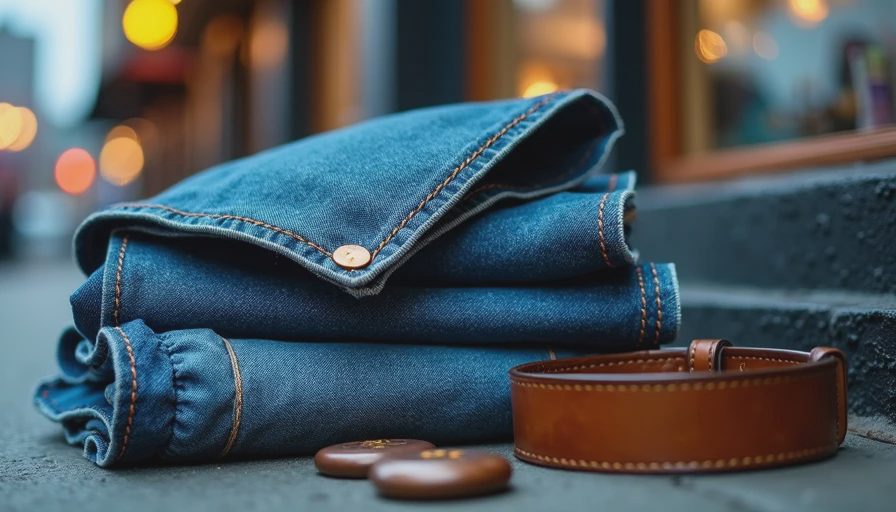
Choosing the right rise, leg, and size
The most flattering retro jeans are not necessarily the rarest or widest. Start with the rise. A mid- or high-rise waistband usually sits closer to the natural waist and creates the classic proportions people associate with workwear and mid-century casual dressing. A lower rise can work too, particularly with a shorter jacket, but it often changes the silhouette more than shoppers expect.
Measure a pair that already fits instead of trusting the tagged size. Lay it flat, measure across the waistband, and double that number. Then compare the front rise, thigh, knee, and hem opening. Vintage sizing is famously inconsistent; a tagged 34 can measure closer to a modern 32, while another pair marked 32 may have stretched with wear. The tape measure is less romantic than guessing, but it saves return postage and disappointment.
For a balanced everyday shape, try a straight leg with room through the thigh and a hem that rests lightly on your shoe. A relaxed taper can look sharp with moc-toe boots, while a fuller leg pairs naturally with canvas sneakers or a tucked-in chore coat. Do not dismiss a pair because the waist feels slightly snug if the seat and thighs are comfortable; denim can give a little. However, pulling across the fly or pocket is a sign to move on, not a challenge to conquer.
How to inspect a thrift-store pair
Good retro jeans reward a slow inspection. First, hold them up to the light and look for thinning at the knees, seat, and pocket corners. Fading is attractive when the fabric remains strong. A nearly transparent knee is a repair project, not a bargain, unless you already enjoy patching denim.
Next, check the crotch seam, belt loops, and hem. A loose loop is an easy fix, but a shredded crotch can cost $25 to $60 to repair depending on the tailor and the amount of reinforcement needed. Missing rivets are another consideration. A small hole near a pocket can often be stabilized, while a waistband that has been altered several times may never sit cleanly.
Smell matters, though it is not a final verdict. Smoke, mildew, and heavy fragrance can cling to old cotton. Air a promising pair outside in shade, then wash it gently according to the fabric's condition. Avoid aggressive hot-water washing before you understand the fit. A pair that barely fits can become unwearable after careless drying.
Wearing retro jeans without looking like a costume
The easiest approach is contrast. Pair retro jeans with one other vintage element and keep the rest simple. A faded 1970s pair looks grounded with a white pocket tee, suede desert boots, and a modern canvas jacket. Darker 1950s-inspired denim can handle a tucked Oxford shirt, but you do not need a perfect reproduction belt and engineer boots unless that is genuinely your taste.
Retro jeans also work beautifully with contemporary clothes. Try a boxy knit, clean running shoes, and a cropped overshirt. For warmer Southern weather, roll the hem once and wear a short-sleeve camp shirt. The goal is not to impersonate a catalog model from 1968; it is to let the denim add texture and age to clothes you already wear.
Proportion does more work than authenticity. If the jeans are wide, choose a jacket with enough substance to meet them. If the denim is slim and high-waisted, a shorter top or tucked shirt will keep the line intentional. Wear the outfit around the house before committing to a full day. I once bought a beautiful pair with a dramatic leg and discovered, halfway through a flea market, that the hem caught every chair leg in Savannah. The jeans were great. My judgment was not.
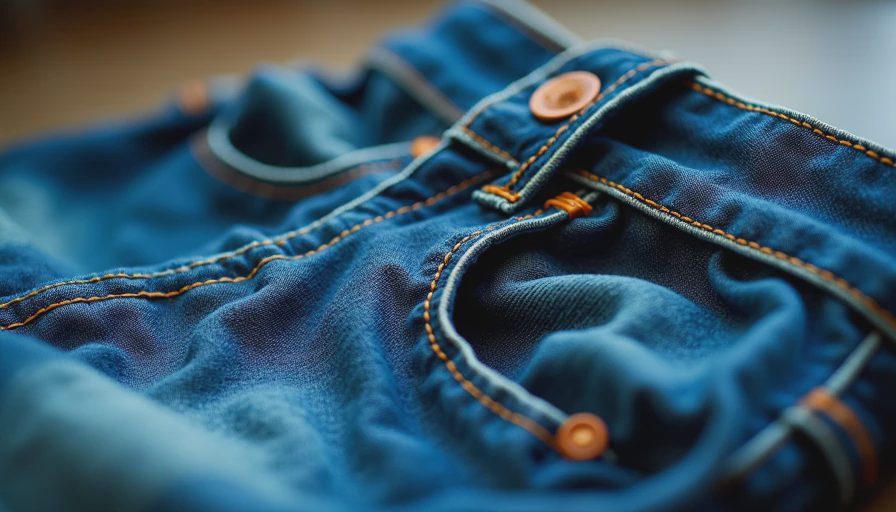
Caring for old denim
Wash vintage denim less often than ordinary cotton, especially when the fabric still has a rich indigo color. Spot-clean small marks with a damp cloth and mild detergent. When a full wash is necessary, turn the jeans inside out, use cold water, and hang them away from direct sun. A dryer can shrink the inseam, harden the fibers, and turn a comfortable pair into a very expensive mistake.
Do not iron deep creases into old denim unless you want to alter the character. Let natural wear develop. If you need a repair, find a tailor familiar with denim rather than sending the jeans to a general alterations counter. Visible darning can become part of the garment's history, and a matching patch on the inside can preserve the original look from the outside.
Where to start your search
Thrift stores, estate sales, flea markets, and carefully selected online vintage shops each have strengths. In person, you can inspect fabric and smell before paying. Online, measurements and clear photographs matter more than a dramatic description. Ask for waistband, rise, inseam, thigh, and hem measurements, plus close-ups of the tag, hardware, and damaged areas.
Expect ordinary wearable pairs to land around $30 to $90, while scarce deadstock or historically significant examples can run well above $150. Price should reflect condition, construction, and fit rather than a seller's use of the word rare. The best purchase is the pair you will actually wear twice a week, not the one that spends its life folded in a drawer.
Start with one pair, learn how it changes after a few wears, and let your eye develop. Retro jeans do not need to be precious. They need to fit your life, hold up to use, and make you glad you chose them over another anonymous new arrival. That is the pleasure of vintage: you are not just buying an old garment. You are adding your part to its next chapter.


No letters yet — be the first to write.