The search for 90s clothes women love has moved well beyond a passing trend. Walk into a good thrift store and you will see slip dresses, relaxed denim, baby tees, nylon jackets, and chunky loafers sharing a rack with newer garments that are trying very hard to look old. The difference is usually in the fabric, the hardware, and the fit. Authentic vintage has a little tension in it. It looks lived in without looking worn out.
I have bought enough 90s clothing to know that the decade was not one clean aesthetic. It stretched from glossy minimalism to riotous color, from tailored Calvin Klein-inspired lines to oversized hip-hop silhouettes. That variety is good news. It means 90s clothes women can suit a lot of wardrobes, whether you prefer a quiet Savannah weekend uniform or something with enough attitude for a late-night show.
What counts as authentic 90s clothing?
Start with the label, but do not stop there. A tag can suggest an era, while the construction tells you whether the garment deserves your money. Look for single-stitch hems on some casual tees, older care labels, natural fiber blends, and hardware that feels substantial rather than painted plastic. YKK zippers appear across many decades, so the zipper alone is not a date stamp. A Union label, RN number, or country-of-origin information can help narrow the period, but none of those details proves a garment was made in one particular year.
For 90s clothes women shoppers are often drawn to, the best clues are usually proportion and material. A rayon slip dress with a slightly irregular drape feels different from a modern polyester copy. A pair of Levi's 550 jeans has a different seat and leg shape from a current skinny jean. The old garment may not be perfect, and that is part of its charm. I once paid too much for a supposedly rare skirt because the label looked right. The lining was cheap, the seams were crooked, and the story fell apart under five minutes of inspection.

The key silhouettes to hunt for
The most useful 90s clothes women pieces are the ones that can move between outfits. A bias-cut slip dress works with bare sandals in warm weather, then becomes a layered piece with a ribbed sweater and boots. Straight-leg or relaxed jeans pair naturally with a tucked shirt, a fitted tee, or a cropped cardigan. High-waisted trousers in wool, linen, or sturdy rayon can replace modern office pants without looking like a costume.
Do not overlook the simple cotton tank, oversized button-down, or compact leather jacket. Brands such as Esprit, Liz Claiborne, Gap, Guess, and Ralph Lauren produced plenty of ordinary garments that now have excellent thrift value. The brand name matters less than the cut and condition. Check the underarms, crotch, collar, and pocket edges first. Those areas reveal whether a piece has been gently worn or merely photographed well by a seller.
For a stronger statement, look for stretch mesh tops, plaid skirts, denim jackets, nylon track pants, and structured shoulder bags. The trick is not to wear every reference at once. One memorable item gives the outfit a point of view; three can make it look like a themed party.
How to style 90s clothes women without looking costumed
Balance is the whole game. If you find a short slip dress, add a plain cardigan, substantial boots, or an oversized chore jacket instead of piling on more decade-specific details. If the jeans are wide and relaxed, keep the upper half cleaner with a fitted tee or a neatly tucked oxford. The aim is to let the vintage piece speak while giving it a modern room to breathe.
Color can do the same work. Black, cream, faded blue, olive, and brown make 90s clothes women easier to wear every week. A bright cherry-red cardigan or purple nylon windbreaker can be the single loud note. I like pairing an old rayon blouse with contemporary straight-leg denim because the contrast makes both pieces clearer. Nothing feels like a costume when the outfit includes one item that plainly belongs to now.
Fit does not mean forcing yourself into a period shape. Vintage sizing is inconsistent, and a labeled size 8 can measure like a modern 4 or a modern 12 depending on the brand and decade. Measure the chest, waist, hip, rise, and inseam, then compare those numbers with a garment you already enjoy wearing. A good tailor can adjust a hem or take in a waistband, but major shoulder alterations and delicate rayon repairs can become expensive quickly.
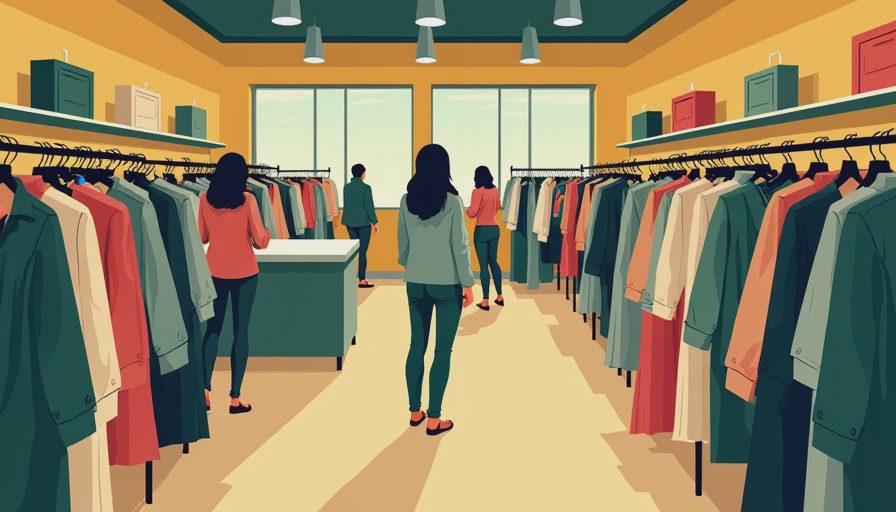
Fabric and condition matter more than the label
Cotton jersey, silk, rayon, wool, denim, and leather each age differently. Rayon can develop a beautiful fluid drape, but water stains and weakened seams deserve close inspection. Silk may feel wonderful while hiding tiny pulls. Wool jackets should be checked for moth holes, especially beneath the collar and inside the cuffs. Denim is forgiving, though worn-through pockets and a split crotch are not inexpensive fixes.
When evaluating 90s clothes women shoppers find online or at a flea market, hold the item toward natural light. Look for thinning fabric, uneven fading, deodorant marks, and repairs concealed by clever photography. Smell matters too. A musty garment can sometimes be cleaned, but smoke odor may stay in synthetic fibers. Ask for flat measurements and clear photos of the care tag, closures, and flaws before paying a premium.
Price should follow condition, rarity, and usefulness. A clean everyday Gap dress at $18 can be a better buy than a stained designer skirt at $90. Designer names such as Donna Karan, Helmut Lang, and Miu Miu can command more, but the premium makes sense only when the garment is authentic and wearable. Every stitch has a story, but not every story deserves your rent money.
A practical thrift-store method
Go in with a short plan. First, scan fabric and color rather than reading every label. Touch the cotton tees, wool jackets, and denim. Then pull promising items and inspect each one in this order:
- Check the overall shape and whether the garment is close to your measurements.
- Examine seams, hems, zippers, buttons, and elastic for failure.
- Search for stains, odors, moth damage, and fabric thinning.
- Read the label and care instructions, especially for dry-clean-only pieces.
- Decide whether the likely repair cost still fits the final price.
This process keeps the hunt from becoming a pile of hopeful purchases. For 90s clothes women pieces, I am especially careful with stretch garments because old elastic can feel fine in the store and fail after one wash. Try on skirts while sitting, raise your arms in jackets, and walk several steps in shoes. A beautiful item that restricts movement will spend its life on a hanger.
Building a small vintage rotation
You do not need a full decade wardrobe. Start with two dependable pieces: perhaps relaxed jeans and a slip dress, or a leather jacket and a striped knit. Add one colorful accent after you understand how those pieces fit your existing clothes. A vintage belt, watch, or bag can also bring the period into an outfit without changing its entire silhouette.
The best 90s clothes women wardrobes are personal rather than perfectly accurate. Wear the floral dress with modern sneakers, the tailored blazer with old jeans, or the nylon jacket over a quiet monochrome outfit. Wash according to the fiber, store knits folded, and use padded hangers for jackets. With patient sourcing, an item bought for $25 can become the piece you reach for for years. That is the pleasure of vintage: not reenacting a decade, but giving a well-made garment another chapter.

No letters yet — be the first to write.