There is a particular pleasure in finding 1950s womens dresses on a crowded thrift-store rack: the crisp rustle of taffeta, a metal zipper that still runs cleanly, and a silhouette built with actual intention. Even if your own closet leans toward workwear or menswear, these dresses are worth understanding. They show how fabric, construction, and proportion can turn an ordinary garment into a small piece of architecture. Every stitch has a story.
What makes a dress genuinely 1950s?
The first clue is shape. Many 1950s womens dresses emphasize a defined waist, a fuller skirt, and a bodice with careful structure. That does not mean every dress has a tiny waist or a dramatic petticoat. Day dresses can be narrow and practical, while cocktail dresses may use layers of chiffon, rayon, or crisp cotton to create movement. The decade included early postwar simplicity, New Look volume, rockabilly enthusiasm, and the cleaner lines that appeared toward 1959.
Look closely at the inside before falling in love with the print. A side metal zipper, pinked seam allowances, hand-finished hems, and a substantial rayon lining are useful clues. Union labels can help with dating, although labels changed over time and should not be treated as a single-answer decoder ring. A dress tagged “Union Made in the USA” is interesting; it is not automatically proof of a specific year. The whole garment has to agree with the label.
Fabric tells another part of the story. Cotton lawn, polished cotton, rayon crepe, faille, satin, and wool gabardine all appeared in mid-century wardrobes. A very shiny synthetic fabric does not rule out the era, but it deserves a closer look. Some dresses sold as vintage are actually later reproductions borrowing a 1950s motif. The difference often appears in the zipper, seam finish, care label, and fabric hand.
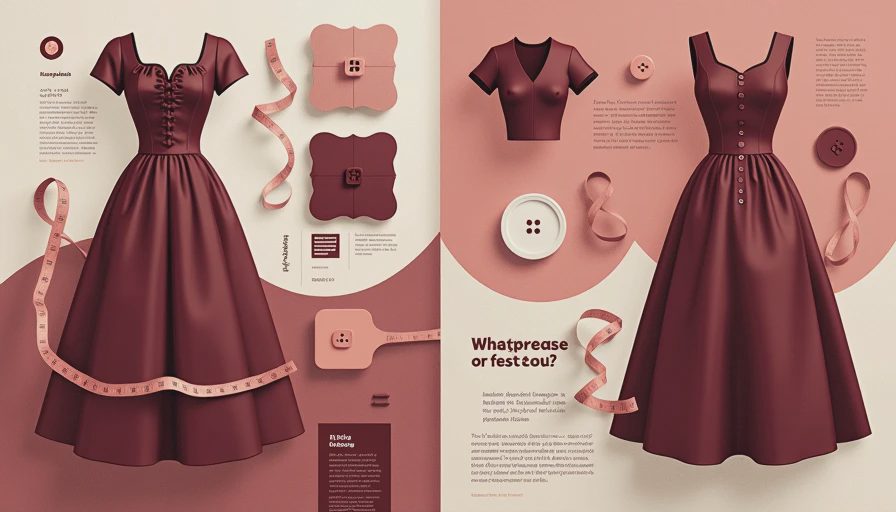
How to inspect 1950s womens dresses at a thrift store
Start with the high-stress areas: underarms, neckline, waist seam, and zipper base. Hold the dress near a window or use your phone flashlight to check for thinning fabric and old perspiration marks. A faint spot may come out with careful professional cleaning; brittle rayon, shredded silk, or darkened underarm fabric usually represents a much larger repair than the price tag suggests.
Next, measure the garment flat. Vintage sizing has drifted so dramatically that a modern medium could correspond to an older 12, 14, or something else entirely. Measure pit to pit, shoulder to shoulder, natural waist, hip, and the full length from shoulder to hem. Double the flat measurements and compare them with a dress that already fits. Do not trust the tag, especially when shopping online.
Test every closure gently. Talon, Conmar, and Crown zippers are common vintage hardware names, but a recognizable zipper does not make a garment valuable by itself. Move it slowly and never force a stuck slider. Check buttons for replacements, inspect hook-and-eye closures, and look for missing snaps hidden in the waistband. I once bought a beautiful navy faille dress for $38 and discovered at home that the original belt had been replaced with a strip of craft-store ribbon. The dress was still good, but my confidence in my own detective work needed a biscuit and a nap.
Price depends on condition, fabric, construction, scarcity, and wearability. At a local thrift shop, $20 to $60 can turn up a very good cotton day dress. A clean designer or couture-adjacent piece may run from $100 to $400, while exceptional beading, unusual fabric, or a documented label can go higher. Pay for the garment in front of you, not the fantasy of what it might become.
Choosing the right silhouette for real life
The most wearable 1950s womens dresses are not always the biggest-skirted examples. A simple shirtwaist dress with a modest sweep works for a gallery opening, summer dinner, or courthouse wedding without making the wearer look like a reenactor. A slim wiggle dress has a different energy and requires honest attention to walking, sitting, and hemming. Circle skirts and novelty prints make a stronger statement, but they can become the entire conversation if the rest of the outfit is equally loud.
Fit should support the wearer rather than demand a particular body. A waist seam can be altered, a hem can be released, and side seams sometimes offer enough material for a careful tailor. Bust, shoulder, and armhole fit are more difficult to change. If the bodice pulls across the chest or the armhole cuts in while standing still, do not assume a belt will solve it. Try a different cut. Vintage is supposed to be enjoyable, not a daily negotiation with a zipper.
For men and anyone who shops across the usual clothing aisle, the easiest entry point may be styling one of these dresses as a visual reference rather than a costume. Study the collar, pocket placement, and color relationships. A cropped cardigan, plain leather shoes, or a sturdy chore jacket can make the period details feel grounded. The useful lesson is proportion: a nipped waist beside a full skirt, or a clean fitted bodice balanced by a simple accessory.
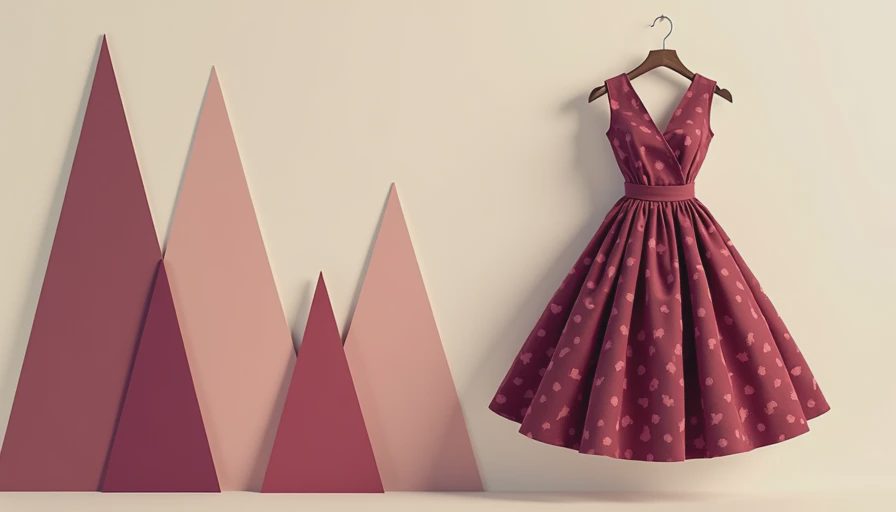
How to style 1950s womens dresses without looking like a costume
Let one detail lead. If the dress has a bright novelty print, keep shoes and bag quiet. If the fabric is plain navy wool, a patterned scarf or sculptural earrings can provide the period note. Avoid stacking every familiar signal at once: victory rolls, cat-eye glasses, red lips, gloves, a petticoat, and novelty shoes can turn a good dress into a theme-party uniform before breakfast.
Shoes make a major difference. Low pumps, loafers, ankle boots, and simple sandals can all work, depending on the season and the dress. A petticoat should add the amount of lift you actually enjoy; it is not a moral requirement for wearing a full skirt. In Savannah heat, I would rather see a cotton dress worn comfortably with sandals than a wearer suffering under three layers of nylon netting for the sake of historical accuracy.
Care matters more than most styling tricks. Read the fiber content when available, air the garment after wearing it, and store it clean in a cool, dry place. Avoid hanging fragile rayon or bias-cut dresses for months, since their own weight can distort the shoulders. Fold with acid-free tissue if the fabric is delicate. Never put an old silk or heavily beaded piece into a home washing machine because a modern care label would permit it.
Where to buy and when to walk away
Estate sales, church rummage sales, vintage stores, online marketplaces, and family closets all offer different advantages. Thrift shops provide the best surprise-to-price ratio, while specialist sellers usually offer better measurements and condition notes. Search with details such as “1950s cotton day dress,” “rayon shirtwaist,” or a known label rather than relying only on broad searches for 1950s womens dresses. More specific language helps you find the garment, not just the algorithm’s idea of it.
Ask sellers for pit-to-pit, waist, hip, and length measurements, plus close photos of the label, zipper, hem, and underarms. A seller who answers plainly is worth remembering. Walk away when the description says “wearable with flaws” but never explains the flaws, when photos hide the entire interior, or when the price assumes museum condition without showing it.
The best 1950s womens dresses are not necessarily pristine. A repaired hem, softened collar, or honest fade can be part of a garment’s history. What matters is whether the piece is structurally sound and whether you can imagine wearing it often enough to justify the cost. Start with a fabric and silhouette you understand, inspect the hardware, measure twice, and let the dress tell you what it wants to be. That is the real pleasure of the hunt.



No letters yet — be the first to write.