There is a particular kind of thrift-store discovery that makes you stop mid-rack: neon pink zebra vintage, glowing under bad fluorescent lights like it has been waiting thirty years for the right person. It might be a rayon camp shirt, a fitted Western jacket, a miniskirt, or one of those gloriously impractical blouses with shoulder pads wide enough to land a small aircraft. The point is not subtlety. The point is finding the piece with a story and giving it a modern life.
At The Vault in Savannah, I have watched shoppers reach for prints like this, then retreat toward the safer denim rack. I understand the hesitation. Loud vintage can look costume-like when every element is turned up at once. The trick is to let one garment do the talking while the rest of the outfit keeps a straight face. Every stitch has a story.
What Makes Neon Pink Zebra Vintage Worth Hunting?
The best examples usually come from the late 1980s through the 1990s, when animal prints, saturated synthetic color, and dramatic proportions were having a very good time together. Some pieces are earlier, particularly if the fabric is a soft acetate or lightweight rayon and the tag has an unmistakably seventies shape. A date is never guaranteed by color alone, but construction gives you clues.
Start with the label. A union label, care tag, or made-in-USA marking can help narrow the period. Look for a metal Talon or Scovill zipper on jackets and skirts, especially when the zipper tape and stitching show real age. Plastic YKK hardware is common on later garments and is not a deal breaker; it simply tells you the piece may be newer than the styling suggests. Dense stitching, pattern matching at the seams, and a fabric that has held its color are stronger signs of quality than a glamorous tag.
The print should also be examined as a drawing, not just a color. Good zebra stripes have movement. They curve around darts, follow a shirt placket, or continue across a pocket. A cheap reproduction often has a flat, repetitive pattern that ignores the garment's shape. That does not make it unwearable, but it changes what I would pay. For an excellent vintage shirt, $35 to $90 is reasonable; rare designer or deadstock pieces can run higher.
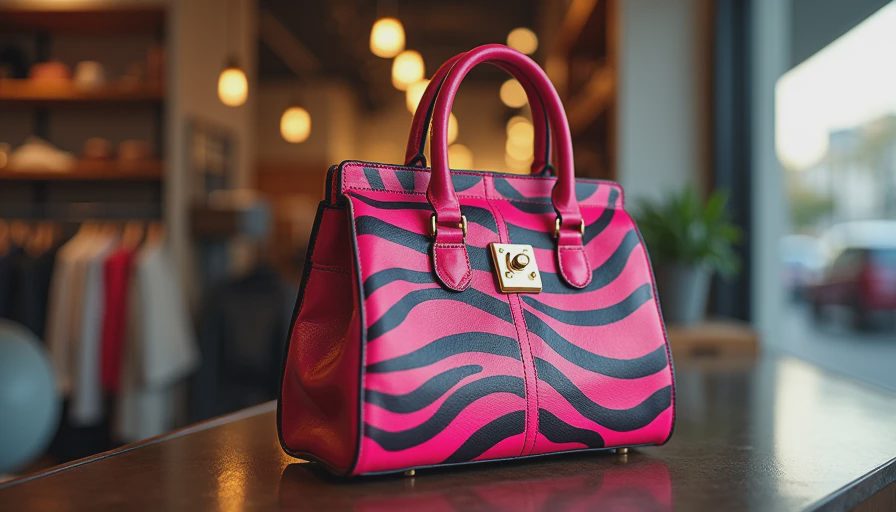
How to Style Neon Pink Zebra Vintage Without Looking Theatrical
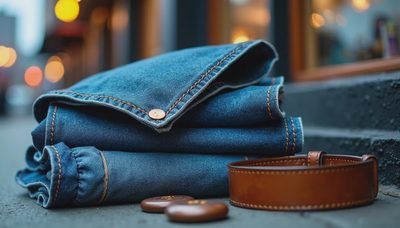
The easiest entrance is a shirt. Wear neon pink zebra vintage with faded straight-leg jeans, plain white sneakers, and a black leather belt. The denim absorbs some of the visual noise while the shirt keeps its personality. For a sharper version, try high-rise charcoal trousers and loafers. A simple gray sweatshirt layered over the shirt, with only the collar and cuffs showing, turns the print into an accent rather than a full announcement.
A jacket asks for more restraint. Let it sit over a white T-shirt, an oatmeal henley, or a black knit polo. Keep the trousers clean and uncomplicated: dark denim, olive fatigue pants, or pressed navy chinos. I would avoid adding another pattern unless you have a very specific reason. Mixing zebra with plaid, checks, or a second animal print can work in editorial photographs, but real life is generally happier with one strong idea.
For anyone who prefers skirts, dresses, or cropped silhouettes, the same rule applies without any need to follow menswear conventions. A zebra skirt can look excellent with a roomy crewneck, lug-soled boots, and a plain canvas tote. A fitted dress benefits from a large denim jacket or a boxy blazer. The goal is not to disguise the garment. It is to give the eye somewhere quiet to rest.
Inspect the Garment Before You Buy
Bright color can distract you from ordinary damage, so inspect the piece in good light. Hold the fabric near a window and look for fading beneath the collar, along the shoulders, and around the waistband. Neon dyes are especially vulnerable to uneven exposure. A little variation can be charming; a pale stripe across the chest usually means the garment spent years on a hanger in direct sun.
Check the underarms, crotch, cuffs, and pocket openings for thinning. Rayon can feel wonderful and still fail suddenly when stressed. On a jacket, test every snap and zipper without forcing it. If the item has shoulder pads, see whether they are securely attached and whether the lining has begun to shred. A tailor can replace a zipper or rebuild a seam, but those repairs belong in your budget.
Smell matters, too. Vintage often carries a stored-clothing scent, but strong mildew, perfume, or smoke can be difficult to remove. Ask whether the fabric has been cleaned and whether the seller knows its fiber content. I once overpaid for a spectacular pink animal-print overshirt because I was hypnotized by the collar. Two washes later, the lining had separated. The shirt was still beautiful, but my $75 lesson could have been avoided with a five-minute inspection.

Washing, Storage, and Small Repairs
Treat the garment according to its fiber, not its confidence. Cotton can often handle a gentle cold wash, while rayon, acetate, silk, and uncertain blends deserve more caution. Hand washing in cool water with a mild detergent is a safer starting point, but some structured or lined garments should go to a cleaner experienced with vintage clothing. Never wring a fragile shirt. Press water out with a towel and dry it flat or on a broad hanger, depending on the garment's shape.
Keep neon pink zebra vintage away from direct sunlight when it is not being worn. A padded hanger helps preserve shoulders, and acid-free tissue can protect folded pieces from sharp creases. Do not store a damp item in plastic. Give it air, make sure it is fully dry, and check it occasionally for loose seams or developing discoloration.
Repairs should preserve the character rather than erase it. Matching thread is ideal for a clean seam, but a visible hand repair can be perfectly honest on a workwear-inspired piece. Replace missing buttons with something compatible in scale and material. If a lining is uncomfortable but the outer fabric is sound, a tailor can sometimes install a new one and make the garment wearable for another decade.
Building an Outfit Around the Print
Think in terms of proportion as much as color. A voluminous neon pink zebra vintage shirt pairs well with straight or gently tapered pants. A slim skirt balances nicely with an oversized sweatshirt or chore coat. If the original garment has exaggerated eighties shoulders, avoid adding a bulky jacket on top unless you deliberately want that architectural shape.
Black is reliable, but it is not the only option. Tobacco brown, stone, cream, faded blue, and olive can all calm hot pink without flattening it. Accessories can repeat one small detail from the print: a pink watch strap, a black belt, or silver jewelry. Avoid collecting every matching accent. One echo feels considered; five can feel like a themed party.
Shoes set the final mood. Converse-style canvas sneakers make the look casual, while engineer boots or loafers give it weight. Western boots can be fantastic with a cropped jacket, though I would skip a cowboy hat unless the rest of the outfit is exceptionally quiet. Clothing should look lived in, not assembled from a search result.
Where to Find the Right Piece
Search estate sales, regional flea markets, vintage malls, and online sellers who photograph labels, seams, and flaws. Use several search terms because sellers do not always recognize the style. Try phrases such as pink animal-print shirt, 1980s zebra blouse, neon rayon jacket, and vintage wild print. When shopping online, ask for flat measurements, fiber information, and close photographs of the underarms and closures.
Price the risk honestly. A $20 skirt with a broken zipper is not automatically a bargain if alterations cost $45. Conversely, a $90 made-in-USA jacket with excellent fabric, a clean lining, and a wearable fit may be smarter than three cheaper pieces that need rescue. Fit is the biggest value multiplier. Minor sleeve or hem adjustments are manageable; a dramatically narrow chest or damaged crotch usually is not.
Neon pink zebra vintage works because it refuses to disappear. Wear it with denim, trousers, a plain knit, and the confidence to let an old garment remain a little strange. The right piece will not make you look like someone else. It will make the rest of your wardrobe tell a more interesting story.


No letters yet — be the first to write.