1980s mens shirts are having a real second life because they solve a problem a lot of modern closets have: too much stiffness, not enough character. The best ones have easy cotton, a looser drape, and prints that do the talking without turning you into a costume. When I sort shirts at The Vault, I look for the same things every time: fabric hand, collar shape, shrinkage, and whether the label tells a believable story.
How I read a rack in thirty seconds
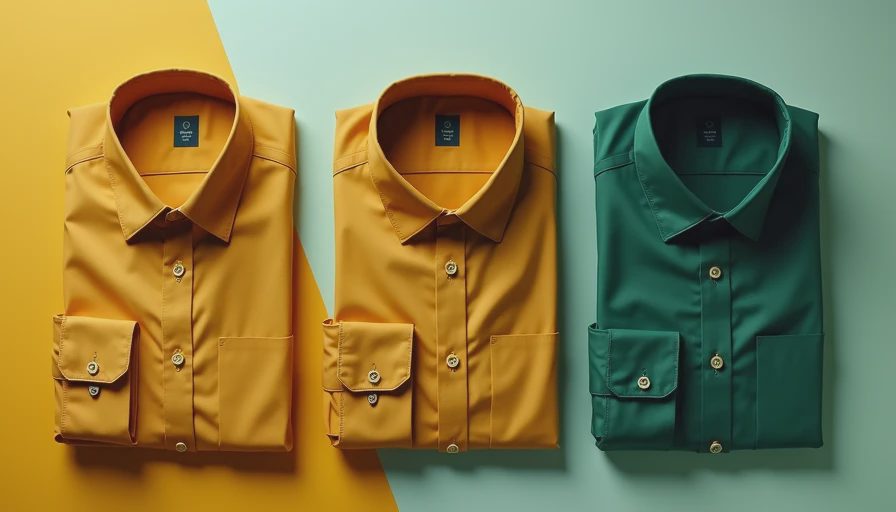
When I pull a shirt hanger forward, I start with the collar. A pointed collar with a little roll usually wears better than a flimsy, flattened one, especially on office shirts and casual dress pieces. I check the shoulder seam, the pocket placement, and the hem. A straight hem often means the shirt was meant to be worn untucked, while a longer tail points toward dress wear. A lot of 1980s mens shirts came from Arrow, Van Heusen, Sears, J.C. Penney Towncraft, and Polo by Ralph Lauren, and the label alone can tell you plenty about the target market. If the fabric feels crisp instead of papery, and the buttons are still tight, you are probably holding something worth taking home.
Fabrics, labels, and construction clues
Fabric matters more than the decade label on the tag. Cotton oxford is the workhorse because it holds shape and softens with washing. Broadcloth is smoother and a little dressier. Rayon and silk blends show up in camp shirts and party shirts, and those can drape beautifully if the seams are still sound. Cotton-poly blends were everywhere, and I do not dismiss them out of hand; some wear like a champ and dry faster than all-cotton pieces. Look for even stitching, clean collars, and sleeves that have not been cooked into a wavy mess by a hot dryer. Made in USA tags are nice, but a well-kept shirt from Hong Kong or Korea can still be a gem. If you see a union label, reinforced side seams, or a high stitch count, that is the shirt telling you it was built for more than one season.
How to wear them now
The easiest way to wear 1980s mens shirts is to keep the rest of the outfit calm. Straight-leg jeans, military chinos, pleated trousers, or even canvas work pants let the shirt do the interesting work. If the shirt is boxy, do not fight it with skinny pants; let the proportions breathe. A blue stripe with faded denim feels easy. A small floral print with olive chinos looks intentional without shouting. Open collars work under a chore coat, a denim jacket, or a soft blazer. When I wear one to the shop, I usually leave the top button open and roll the cuff once. It feels less like a reenactment and more like clothes a grown man actually chose. The best 1980s mens shirts should sit in that sweet spot between relaxed and deliberate.
What to pay, and where to look
I still get asked which 1980s mens shirts are worth paying up for, and my rule is simple: pay for condition, not hype. At a thrift store, I like being in the $8 to $25 range. In a curated vintage shop, $30 to $60 is normal for a clean shirt with a good label, and a rare silk print or designer piece can run higher. Online, I ask for chest, shoulder, sleeve, and length measurements before I think about buying. If a seller can only tell you the tagged size, keep scrolling. The best places to hunt are estate sales, church rummage sales, eBay, Etsy, and the better corners of Depop, where a patient search can still turn up Arrow, Gitman Bros., and old Brooks Brothers pieces. Save searches by fabric, not just brand, because the good stuff hides under terms like oxford, rayon, camp shirt, and abstract print. A patient search is usually cheaper than chasing the first shiny thing you see.
Small repairs that make a shirt earn its keep
A shirt with a missing button or a loose hem is not dead on arrival. Most of the time, those are easy fixes that cost less than a lunch out. I keep a tin of vintage buttons in the shop for exactly that reason, because swapping in a close match can bring a shirt back to life without changing its character. Collars are trickier. If the points are worn thin, I want the damage to be honest and minor, not shredded. Light pilling on a rayon blend is one thing; a collar edge that has gone fuzzy and frayed is usually a pass. A good cleaner can handle smoke smell, light grime, and old storage funk. What I do not bother saving is a shirt with permanent underarm breakdown or seams that have dried out and split. That is when the repair bill starts outrunning the shirt.

A shop-counter story that still sticks with me
One of my favorite 1980s mens shirts came out of a grocery-bag lot I bought on a humid Saturday in Savannah. It was a pale green cotton shirt with a soft collar, a tiny chest pocket, and a tag I had not seen in years. I paid too much for the whole lot, which I still remind myself about when I get cocky, but that shirt became a weekly wear piece by accident. It looked better with every wash, and the shoulder line settled in a way modern shirts rarely do. That is the part people miss when they only chase condition grades and brand names. A shirt can be cheap and still be right. It can be expensive and still sit in the closet. Every stitch has a story, and the good ones usually prove it fast.
Final take
If you are building a rotation from scratch, start with one solid oxford, one stripe or check, and one printed rayon or silk blend. Those three categories cover work, weekends, and dinners without much effort. From there, you can get picky about collars, cuffs, and label trivia. That is where the fun starts. 1980s mens shirts are easy to overthink, but the good ones usually announce themselves fast: decent fabric, honest construction, and a shape that still makes sense today. Hunt with patience, trust your hands as much as your eyes, and do not be afraid of a shirt that has already lived a little. If you are shopping for 1980s mens shirts online, ask for measurements, read the fabric content, and look closely at the collar and cuffs before you pay. Then wear it hard enough to give it a little more history.



No letters yet — be the first to write.