1950s mens dress shoes are one of my favorite old categories because they still feel practical instead of precious. The shapes are clean, the leather is usually better than what turns up in a lot of mall-grade shoes today, and the repairability is a real gift if you plan to keep wearing them. If you like vintage pieces with a little mileage and a lot of character, this is a smart place to start. Around Savannah, I see decent pairs at estate sales, church basements, antique malls, and online listings that run from about $60 to $180, with deadstock and harder sizes climbing higher. Every stitch has a story, and these shoes usually have a good one.
How to shop 1950s mens dress shoes without getting fooled
The easiest way to date a pair is to look at the shape before you look at the label. Mid-century pairs usually have an honest almond toe, a moderate vamp, and a profile that sits lower to the ground than the blocky dress shoes that came later. You will see cap toes, plain toes, longwings, and balmoral styles, often in brown calf or black calf. Flip them over and the story gets clearer. Leather soles, stacked leather heels, and a neat welt line point in the right direction. Brand names like Florsheim, Hanover, Nettleton, Johnston & Murphy, Bostonian, and Freeman show up often, and the better pairs usually feel balanced in the hand instead of clunky.
The trap is confusing them with 1970s shoes that only look old because they are worn down. A pointed toe, a shiny synthetic upper, or a foam-like heel usually sends me the other way. I also like to check the inside for size stamping, maker markings, and any old union label or retail tag. Those details do not prove everything, but they help confirm that the pair was made before the era when cheap construction took over the market.
Construction details that separate the keepers from the cheap stuff
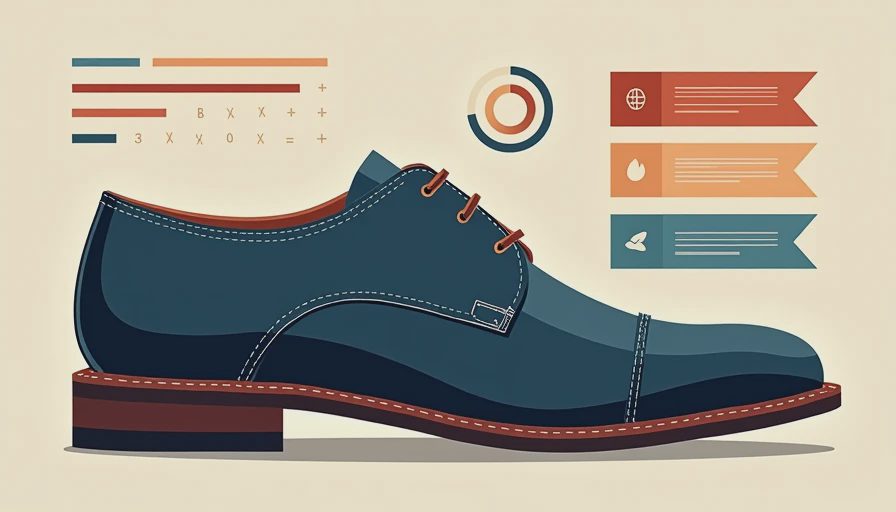
If I am deciding whether a pair is worth bringing home, I look at the build first and the fashion second. A Goodyear welt is the best sign you can hope for, because it means a cobbler can resole the shoe without fighting the whole upper. Many of these old shoes also have leather linings, leather insoles, and a cork-filled footbed that molds better than modern foam. That is part of why a well-kept pair can still feel substantial after seventy years.
Condition matters just as much as construction. A dry welt, separated sole, broken heel stack, or cracked upper can turn a bargain into a project. Mild surface scuffs are fine. Deep creasing across the vamp is common. What I avoid is leather that has gone powdery, because once the fibers start breaking down, you are paying for a lesson instead of a shoe. If the heel caps are worn but the rest of the shoe is solid, that is usually an easy and inexpensive fix. A good cobbler can replace heel taps, add a half sole, and clean up the welt for far less than a new pair of quality dress shoes.
Color and shape choices that still look sharp today
The safest colors are still the best ones: black, dark brown, oxblood, and burgundy cordovan when you can find it. Black reads formal and works with a suit or a dark trouser. Brown gives you more room to play, especially if you wear denim, wool trousers, or chinos. Oxblood sits in the middle and looks especially good with gray flannel, navy, and charcoal. If you are building a wardrobe that feels lived-in rather than theatrical, start there.
Shape is where a lot of vintage buyers overthink things. You do not need a runway toe or a square shape to make the shoes feel current. In fact, the better-looking pairs usually have a restrained toe and a moderate heel. That balance lets the shoe sit under modern clothing without stealing the whole scene. A pair of 1950s mens dress shoes in dark brown calf can look surprisingly fresh with a chambray shirt and pressed chinos, or with a navy blazer and wool trousers on a night out.

Where to hunt and what to pay
The best hunting grounds are still the places people overlook. Estate sales can be gold if the shoes were stored well. Local thrift stores are a crapshoot, but they are worth checking because older dress shoes often get priced like generic footwear. eBay and Etsy are useful when you need a specific size or last shape, while Depop and Instagram sellers can be good if they provide clear photos of the sole, heel, and inside stamping. When I buy 1950s mens dress shoes online, I want close-ups of the toe, welt, heel, and insole before I talk myself into a purchase.
As for price, beat-up pairs in wearable condition often land in the $25 to $45 range. Clean, rewearable pairs usually fall between $60 and $120. Excellent examples, especially in uncommon sizes or with original boxes, can run from $150 to $300. That is not cheap, but it is still a fair number when you compare it to new shoes with similar construction. I would rather pay a little more for a solid vintage pair than buy a flimsy modern pair and replace it in two years.
How to wear them without looking like you raided a costume trunk
The trick is to let the shoes be one part of the outfit, not the whole outfit. If the rest of what you wear is too period-specific, the look goes costume fast. Keep the trousers clean and the hem where it should be, with just enough break to cover the sock but not so much fabric that it puddles over the toe. A slim leather belt in a matching tone helps, and ribbed dress socks in charcoal, brown, or navy keep the outfit grounded.
These shoes work best with clothes that already have some texture: wool flannel, moleskin, tweed, raw denim, Oxford cloth, and good cotton twill. A vintage blazer, an OCBD, and pressed trousers can look natural. So can a chore coat and dark jeans if the shoes are in good shape. The point is not to dress like a museum display. The point is to let the old shoe add depth while the rest of the outfit stays easy.
A quick field test before you hand over cash
When I am standing at the counter, I do the same quick check every time. I bend the sole to see whether it feels brittle. I press the heel stack to see whether it shifts. I look at the lining for cracks and at the toe for deep deformation. Then I smell the leather, because mold and old mildew are hard to ignore once they are in your closet. If the shoe passes those tests, I am usually willing to gamble on it.
A cobbler visit can be part of the plan. A new heel, a half sole, and a good cleaning often bring an old pair back into regular rotation for less than the cost of many new office shoes. That is why I still get excited by 1950s mens dress shoes: the value is not just in the age, it is in the fact that they were made to be repaired and worn again. If you start with a clean pair in a wearable color, you can build a whole lot of outfit mileage around them without trying too hard.



No letters yet — be the first to write.