1930s outfits for women have a particular kind of elegance: long, fluid lines, softened shoulders, and details that reward a closer look. This was not the stiff, formal wardrobe many modern costume versions suggest. The decade mixed practical day dresses with glamorous evening gowns, sturdy shoes with satin slippers, and thrift-minded ingenuity with Hollywood spectacle. If you want the look without appearing to have wandered off a movie set, start with the shape and fabric rather than piling on obvious props.
The silhouette that makes the decade recognizable
The 1930s line is usually longer and more relaxed than the heavily structured fashions of the 1920s. Dresses often skim the body, with a raised waist, a natural waist, or a bias cut that falls diagonally across the fabric. That diagonal cut is one of the era's great inventions. It lets silk, rayon, or crepe move over the body instead of standing away from it. A dress can be close through the torso and still feel easy because the fabric has been cut on the bias.
Shoulders became more important as the decade progressed. Day dresses might have modest puff sleeves, gathered shoulders, or small cap sleeves, while late-decade styles introduced a sharper shoulder and a narrower waist. The effect is graceful rather than cartoonish. When shopping, look for a long vertical line, a defined but comfortable waist, and a hem that lands around the calf or ankle. 1930s outfits for women often look convincing because they are proportionally calm, not because every detail is historically exact.
For a modern wardrobe, try a midi dress with a low back, a softly gathered blouse with a high-waisted skirt, or wide-leg trousers paired with a tucked knit top. These combinations carry the period without requiring a complete wardrobe replacement.
Fabrics, colors, and prints worth hunting
Vintage 1930s clothing was made in a wide range of materials, and fabric tells you almost as much as the cut. Rayon crepe was popular because it draped beautifully and could imitate the movement of silk at a lower price. Silk velvet, satin, wool, cotton voile, and lightweight gabardine also appear in surviving garments. Rayon can feel cool and slippery, but older examples may be fragile around the underarms, neckline, and seams, so inspect those areas before buying.
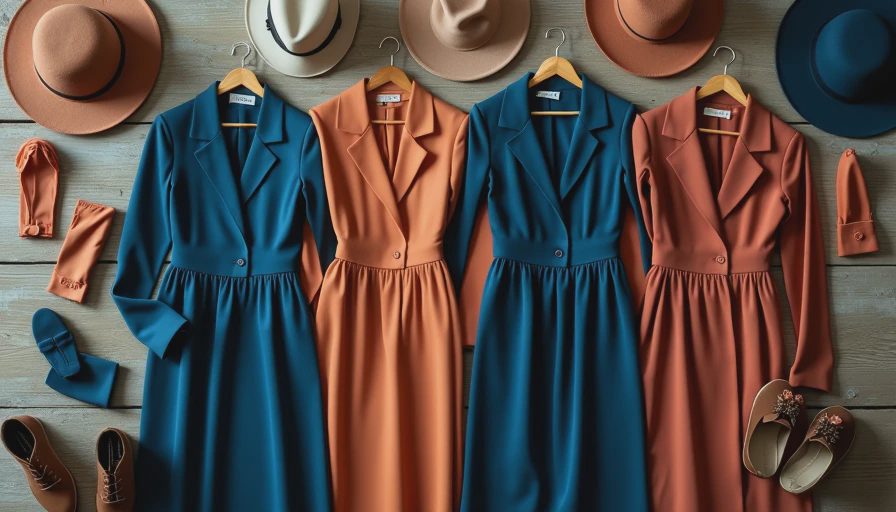
Colors were not limited to the dusty beige palette used by costume departments. Deep wine, emerald, navy, rust, plum, and tobacco brown all work beautifully for the era. Prints might include small florals, geometric repeats, abstract fan shapes, or novelty motifs. A chocolate rayon dress with cream piping can read more authentically than a black dress covered in rhinestones.
1930s outfits for women also make excellent use of contrast. Think ivory cuffs on a dark dress, a printed blouse under a solid jacket, or a red belt against navy. If you are sewing or commissioning a reproduction, choose fabric with movement. A stiff polyester that reflects light harshly will usually undermine the silhouette, even when the pattern is good.
Daywear: practical, polished, and easy to adapt
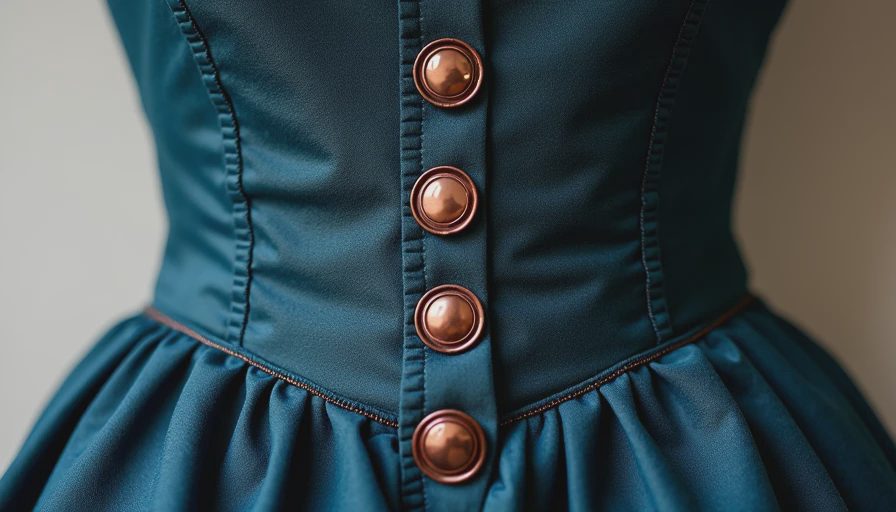
The everyday wardrobe of the decade is where most people can borrow ideas without looking theatrical. A tailored dress with a notched collar, covered buttons, and a gentle flare works for an office, lunch, or an afternoon event. Pair it with low-heeled pumps, ankle-strap shoes, or lace-up oxfords. In cooler weather, add a fitted wool jacket or a long cardigan with a defined shoulder.
Blouses were often decorated with bow ties, rounded collars, pleats, or subtle tucks. Wear one with a high-waisted skirt that reaches below the knee. Trousers can work too, especially wide-leg styles with a flat front and a clean drape. They look best when the waistband sits at the natural waist and the hem nearly covers the shoe.
One of my favorite 1930s outfits for women is a printed day dress, brown leather belt, and simple spectator-style shoes. It has enough period character to feel intentional, but the pieces can still function separately. That is the test I use at the shop: if an item only works beside four other vintage pieces, it is probably a costume, not a useful garment.
Evening glamour without the costume-shop shine
Eveningwear in the 1930s could be genuinely dramatic, but its drama came from cut and surface rather than excessive decoration. Bias-cut gowns followed the body's movement. Halter necklines, cowl backs, cape sleeves, and low scooped backs created interest from every angle. Satin, velvet, metallic brocade, and silk crepe were common choices for dressier occasions.
You do not need a floor-length gown to capture that mood. A slip dress with a cowl neckline, a velvet midi dress, or a satin blouse with a long skirt can do the work. Keep the jewelry focused: one pair of drop earrings, a geometric brooch, or a slim bracelet is usually enough. Avoid combining a sequined headpiece, long gloves, feather boa, and dramatic makeup unless you are deliberately dressing for a themed event.
For 1930s outfits for women, the evening accessories matter because they finish the long line. A small clutch, satin sandals, and a cropped evening jacket can make a simple dress feel considered. Old Bakelite, celluloid, and early Art Deco-inspired pieces are especially useful finds, though condition matters more than a famous label.
Hair, shoes, and accessories that complete the look
Accessories should support the outfit rather than announce the decade before anyone notices the clothing. Soft waves, a side part, or a low chignon will usually feel more natural than an elaborate pin curl set. If you prefer modern hair, simply use a side part and a restrained wave around the face. A red lip or defined brow can suggest the period without turning the whole look into theater makeup.
Shoes from the era often had rounded or almond toes, modest heels, ankle straps, T-straps, or practical lace-up construction. Look for leather soles and sturdy stitching when buying originals. A vintage shoe with a dry, cracked sole is not a bargain if it cannot safely be worn. Modern mary janes, oxfords, and low pumps are perfectly reasonable substitutes.
Belts, gloves, scarves, and handbags provide the easiest entry point. A narrow belt can give a modern dress the right proportion. A square scarf tied at the neck adds color to a plain blouse. Small structured handbags, particularly in brown, oxblood, or black, tend to work with multiple outfits. The strongest 1930s outfits for women usually include one memorable accessory, not six competing ones.
How to shop for authentic pieces
When thrifting, check construction before the label. Metal snaps, hand-finished seams, metal zippers, rayon lining, and generous seam allowances can point toward an older garment, although none is proof by itself. Union labels and fabric labels can help date a piece, while a modern care tag usually tells you it is newer. Examine the underarms, hem, neckline, and waistband for staining, repairs, or fabric weakness.
Measure the garment flat rather than trusting the marked size. Vintage sizing changed substantially, and a dress labeled 14 might fit closer to a modern 8 or 10. Compare bust, waist, hip, shoulder, and sleeve measurements with a garment you already wear. Alterations are possible, but letting out a dress is difficult when the seams have little extra fabric.
A reasonable budget might be $25 to $60 for a thrifted blouse, $60 to $180 for a sound vintage day dress, and considerably more for rare silk or exceptional eveningwear. Start with pieces you will actually wear. Every stitch has a story, but the best story is one that continues after you bring the garment home.
Building a modern outfit from one vintage piece
Begin with one anchor item: perhaps a rayon blouse, a long skirt, or a tailored jacket. Add contemporary basics in quiet shapes and let the vintage piece lead. A 1930s blouse with straight-leg jeans feels relaxed. A bias-cut skirt with a fine-gauge sweater feels polished. A vintage jacket over a simple slip dress can work for dinner without becoming a full period recreation.
Pay attention to proportion. If the top is loose and draped, choose a cleaner skirt or trouser. If the skirt has volume, keep the jacket cropped or tucked. Shoes should echo the outfit's weight; delicate satin shoes can disappear beside heavy denim, while sturdy oxfords may overpower a fragile silk dress.
The most successful 1930s outfits for women feel lived in rather than copied. They borrow the decade's patience with fabric, line, and detail, then allow the wearer to remain visible. Search slowly, repair what deserves saving, and do not be afraid to leave a beautiful piece behind if the fit tells you no. Vintage rewards patience. Every stitch has a story.

No letters yet — be the first to write.