1990 outfits for women sit in a particularly good place in fashion history. The decade had not yet split into the polished minimalism of the late 1990s and the louder revival looks that came afterward. You get relaxed denim, square-toe shoes, slip dresses, oversized tailoring, ribbed knits, and just enough attitude to make an outfit feel lived in rather than assembled for a theme party. I have pulled plenty of genuine early-1990s pieces from dusty racks in Savannah, and the best ones always have a little contradiction: soft fabric with sharp shoulders, a simple dress with heavy boots, or a gentleman's blazer over something delicate. Every stitch has a story.
What defined early-1990s dressing
The first thing to understand about 1990 outfits for women is that the silhouette was loose without being shapeless. A typical look might pair high-waisted Levi's 550 jeans with a tucked cotton tee, a leather belt, and a cropped denim jacket. Another might use a black bias-cut slip dress under a long wool blazer, finished with loafers or ankle boots. These clothes were practical, but they were not bland.
Colors tended toward black, cream, charcoal, burgundy, forest green, faded blue, and muted plum. Prints appeared, especially small florals, windowpanes, and restrained geometrics, but they were usually balanced by a plain layer. The decade also loved texture: brushed wool, ribbed cotton, washed denim, rayon, corduroy, and soft leather. If you find a rayon blouse with a Union-made label, a metal zipper, and generous seam allowances, do not dismiss it because the tag looks ordinary. Construction tells you more than a flashy brand name.
A useful starting point is proportion. If the jacket is broad and long, keep the base layer slim. If the jeans are roomy, choose a fitted tank or fine-gauge sweater. That contrast keeps 1990 outfits for women from drifting into shapeless territory.

Three reliable outfit formulas
The easiest formula begins with straight-leg jeans. Look for a medium or dark wash, a rise that reaches the natural waist, and a leg that falls cleanly over the shoe. Add a tucked striped tee, a men’s wool blazer, and penny loafers. Ralph Lauren, Pendleton, and Liz Claiborne produced plenty of jackets with useful weight and strong lining, but an unbranded blazer can be just as good if the shoulders sit correctly. Roll one sleeve once, not three times; restraint does more work here.
For a softer option, try a slip dress with an oversized cardigan. A black, champagne, or deep red dress works with a cardigan in oatmeal, gray, or faded navy. Add narrow sunglasses and a small shoulder bag. Avoid piling on chokers, baby tees, and tiny clips all at once. One period detail feels intentional; six can make the outfit look like a Halloween rental.
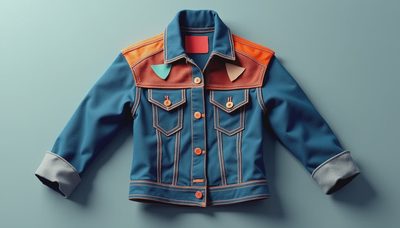
The third formula uses a high-waisted denim skirt, ribbed sweater, and tall boots. Look for a skirt with a straight or gently tapered shape rather than a dramatic modern stretch pencil cut. A leather belt gives the waist definition, while a denim jacket or chore coat adds the right amount of American workwear character.
How to thrift the right pieces
Shopping for 1990 outfits for women is less about finding a perfect label and more about reading the garment. Start with the fabric content tag. Early rayon often has a fluid, slightly weighty hand, while thin polyester can feel slippery and look overly shiny. Cotton denim should show variation in the weave and fading around stress points. A genuine leather jacket will usually have irregular grain and a distinct smell; a plastic surface that flakes at the collar is a repair bill waiting to happen.
Inspect the zipper next. YKK, Ideal, Talon, and Scovill hardware can all appear on quality garments, though a familiar zipper alone does not prove age or value. Check the stitching at the armholes, waistband, and pocket corners. Loose threads are manageable. Uneven seams, missing lining, and a dry, cracking waistband are harder problems.
Try everything on with movement in mind. Sit, raise your arms, and walk several steps. Vintage sizing is inconsistent, and a marked size 10 can fit like a modern 6 or 12 depending on the maker. Measure the garment flat if you shop online, especially the pit-to-pit, shoulder, rise, and inseam. A tailor can often shorten sleeves or adjust a waist for $20 to $60, but major shoulder alterations cost more and rarely improve a jacket.
Accessories that make the decade believable
The accessories in 1990 outfits for women should support the clothing instead of shouting over it. Start with a leather belt, simple watch, or modest hoop earrings. A structured shoulder bag in black or brown can sharpen a relaxed outfit, while a nylon bag gives denim and a sweatshirt a more casual direction. Look for working zippers, intact strap stitching, and corners that have not worn through.
Shoes change the whole reading of an outfit. Penny loafers make jeans and a blazer feel polished. Black ankle boots toughen a floral dress. White leather sneakers can work, but choose a low-profile shape rather than an exaggerated modern sole. Dr. Martens, Bass, Clarks, and vintage Nike styles are useful reference points, although condition matters more than the logo. Soles can be replaced, but severe cracking around the upper usually means the shoe has reached the end of its useful life.
Hair and makeup do not need to become part of the costume. A natural finish, a clean brow, and a simple lip are enough. The clothes should carry the period reference.

Fabric, fit, and climate matter
One reason 1990 outfits for women remain wearable is that they adapt well to real life. In a hot Southern summer, swap a wool blazer for a linen-cotton jacket or wear a rayon slip dress with flat sandals. In colder weather, layer a thermal tee beneath a flannel shirt and top it with a long wool coat. The point is not to recreate a photograph exactly; it is to borrow the period’s proportions and materials.
Fit deserves more attention than the size printed on the tag. A blazer should allow a sweater underneath without pulling across the back. Jeans should sit securely at the waist without forcing the pockets open. A slip dress can skim the body, but it should not twist when you walk. If you find a beautiful piece that is slightly large, consider whether the volume is part of its charm before reaching for alterations. Some of my favorite jackets were technically too big until I wore them with a narrow trouser and a simple tank.
For a budget-conscious wardrobe, plan on roughly $15 to $35 for vintage jeans, $20 to $60 for a blazer, $12 to $30 for a knit, and $25 to $90 for a well-kept leather bag. Patience beats paying a premium for a full matching look.
Building a modern wardrobe from vintage references
The strongest 1990 outfits for women combine one or two period pieces with contemporary basics. Wear vintage Levi's with a current white button-down. Pair an old floral dress with modern fisherman sandals. Use a 1990s blazer over a plain black jumpsuit. These combinations preserve the character of the original garment while keeping the result connected to the present.
A good closet does not need ten variations on the same memory. Begin with one pair of jeans, one jacket, one knit, one dress, and one practical shoe. Photograph combinations before buying more. If a piece only works with a complete head-to-toe recreation, it may be interesting but not especially useful.
When you find stains, check whether they are removable before walking away. Air garments out, wash according to the fiber, and avoid putting vintage elastic or rayon in a hot dryer. Store delicate dresses on padded hangers and fold heavy knits so the shoulders do not stretch. Clothing lasts longer when you treat it like an object with a past, not disposable decoration.
Final notes from the shop counter
The best 1990 outfits for women are not defined by celebrity imitation or a strict checklist. They come from observing how a garment hangs, understanding what it was made to do, and allowing a little of your own life into the combination. A faded blazer from a thrift store can look better than an expensive replica because its cloth has softened and its seams have already proved themselves.
Start with one honest piece. Wear it three different ways. Notice what shoes, proportions, and colors make you feel comfortable rather than merely recognizable as vintage. Then keep digging. The thrill is finding a Talon zipper behind a crowded rack, a perfect shoulder line under a tired lining, or a pair of jeans that somehow survived every decade with their dignity intact. Every stitch has a story, and your job is to give the next chapter a good setting.

No letters yet — be the first to write.