The search term vintage top womens sounds a little like it was typed one-handed on a slow phone, but it points to a genuinely good rabbit hole: vintage tops for women with better fabric, stranger details, and a history you cannot get from a new arrivals page. I spend plenty of time buying menswear, but the women's racks often hold the most inventive construction in the building. A boxy rayon blouse, a 1970s knit polo, or a beaded evening top can change the whole personality of a wardrobe.
The trick is learning to look past the color and first impression. Vintage clothing is not automatically well made, and a high price does not turn a tired garment into a treasure. Start with the label, fabric, seams, closures, and measurements. Every stitch has a story, but some stories are better left on the rack.
What Makes a Vintage Top Worth Buying
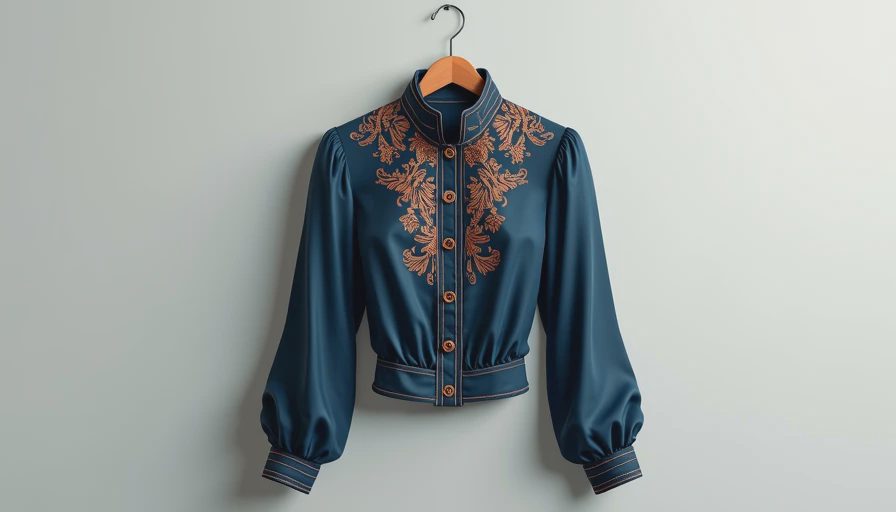
A good vintage top has at least one strong reason to exist. Maybe it uses a beautiful fabric, such as silk crepe, cotton voile, wool jersey, or acetate satin. Maybe the collar is unusually shaped, the buttons are glass, or the sleeves have a careful pleat that would cost a fortune to reproduce today. The best vintage top womens finds usually offer two or three of those qualities at once.
Look inside before falling in love with the outside. French seams, bound edges, neatly finished facings, and even topstitching suggest thoughtful production. Loose threads are not a crime on a forty-year-old garment, but unraveling seams around the armholes or a stretched neckline deserve a lower price. Check the underarms for discoloration, the back neck for makeup or sweat marks, and the hem for old alterations.
Hardware can help establish quality and age. Talon, Scovill, and Crown zippers appear across many decades, so a zipper alone cannot date a garment, but a metal zipper with a clean tape and sturdy pull is encouraging. Plastic molded zippers became more common later. On a blouse, inspect buttonholes for tight stitching and buttons for replacements that do not match.
Reading Labels Without Treating Them Like Scripture
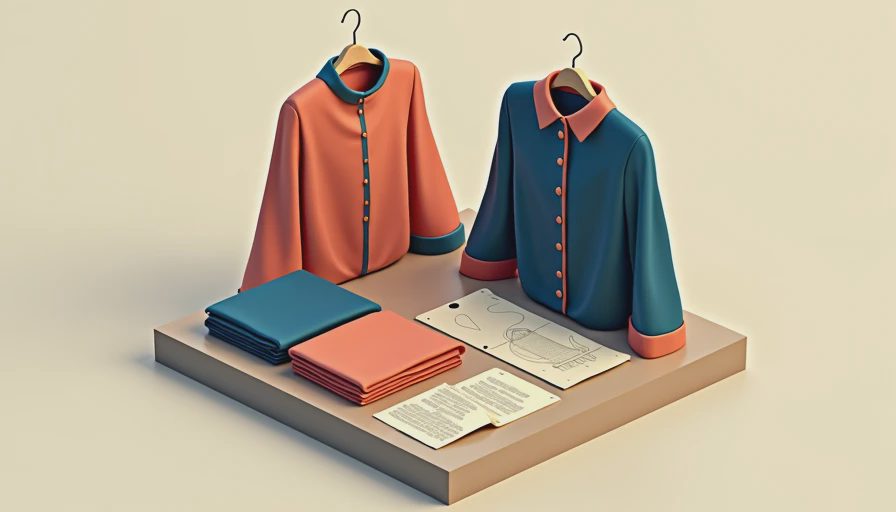
When someone brings me a vintage top womens piece at The Vault, I first turn it inside out and read the label. Union labels, care instructions, fiber content, and country-of-origin wording can narrow the era. A label that says “Union Made” may point to domestic production, while older garments often have less detailed fiber information than later ones. A vintage size 12 is not the same as a modern size 12, so the number is only a clue.
Measure the garment flat: pit to pit, shoulder to shoulder, sleeve length, and total length. For a fitted style, also measure the waist and hem. Compare those numbers with a favorite top already in the closet. This prevents the classic thrift mistake of buying a beautiful garment that cannot comfortably cross the chest or lift an arm.
Do not assume a famous label guarantees a perfect purchase. Diane von Furstenberg wrap tops, Pendleton wool shirts, Laura Ashley cotton blouses, and early Ralph Lauren pieces can all be excellent, but condition and construction still matter more than the name. I once paid too much for a supposedly rare silk blouse because I was distracted by the label. The moth holes had better taste than I did.
Choosing a Shape That Feels Current
Wearing vintage top womens pieces successfully is less about recreating one decade and more about controlling the silhouette. Pair a full 1950s blouse with straight-leg denim and simple loafers. Tuck a 1970s knit into high-rise trousers, then keep the jewelry quiet. A cropped 1990s ribbed top can work with a longer skirt or relaxed carpenter pants rather than a complete period costume.
Proportion is the useful translation tool. If the top has volume, choose a cleaner line below it. If the shoulders are sharp, soften the rest with faded denim or a fluid skirt. A tucked shirt, pushed-up sleeve, or open collar can make an otherwise theatrical piece feel ordinary enough for coffee, work, or a Saturday market.
There is no requirement that vintage look delicate, feminine, or traditionally polished. A western snap shirt, mechanic-style work shirt, oversized rugby knit, or military surplus blouse can all belong in this search. Women who cross-shop menswear often find excellent options in the men's section, where shoulder width and durable cotton are easier to locate.
Fabric, Season, and Southern Weather
Here in Savannah, a gorgeous vintage polyester blouse can become a personal sauna by lunchtime. Read the fiber label and imagine the actual climate before buying. Cotton voile, linen, rayon challis, and lightweight silk are useful in warm weather, though rayon needs careful handling when wet. Wool jersey, brushed cotton, and dense knits earn their place in cooler months or strongly air-conditioned buildings.
Vintage top womens searches often surface synthetic fabrics because polyester became widespread in the 1960s and 1970s. Do not reject it automatically. Some vintage polyester has excellent drape, vivid color, and impressive resistance to wrinkles. The concern is condition: hold the fabric near a window, check for brittleness, and gently stretch a seam to see whether the fibers recover.
Care should influence the price. A washable cotton blouse is easier to wear regularly than a silk piece that requires cautious cleaning. Never scrub an old stain aggressively. Test a hidden area first, and avoid soaking garments with fragile trims, unstable dyes, or glued embellishment. A reliable cleaner who understands vintage clothing is worth the extra conversation.
Finding the Good Ones on a Realistic Budget
You do not need a designer budget for a memorable vintage top womens find. Thrift stores commonly price ordinary blouses around $8 to $25, while a clean branded piece at a curated shop may run $35 to $120. Rare textiles, hand beading, or documented designer history can push prices higher, but rarity is not the same as wearability.
At a flea market, ask to inspect the garment in daylight and negotiate based on specific flaws rather than vague haggling. A missing button might cost little to replace; a shredded underarm seam can require more work than the shirt is worth. Online, ask for pit-to-pit measurements, fabric content, close photographs of the label, and pictures of any damage. Sellers who answer clearly are usually easier to buy from than sellers who describe everything as “museum quality.”
Build a small repair kit with matching thread, a seam ripper, spare buttons, and a needle suited to the fabric. A tailor can shorten sleeves or reshape a hem, but altering shoulders, armholes, or a complicated collar becomes expensive quickly. Buy the garment because the existing shape is close, not because you hope a tailor can perform a miracle.
A Simple Dressing Checklist
Before taking a vintage top womens piece home, ask five questions. Does the fabric feel sound? Are the measurements workable? Can the stain or damage be honestly managed? Do you already own at least two bottoms that suit it? Will you wear it within the next month, rather than saving it for an imaginary perfect occasion?
That last question has saved me from many attractive mistakes. A dramatic beaded top can be wonderful, but if it needs a special bra, professional cleaning, and a gala that never appears on the calendar, it is not necessarily a smart purchase. A faded cotton camp shirt with one excellent pocket may give you more actual life.
Take a quick phone photo of the label and measurements when you buy. Record the fiber, cleaning instructions, and any repairs in your notes. Over time, those records teach you which eras, brands, and fabrics suit your wardrobe. The goal is not to collect old clothes for their own sake. It is to find pieces that make getting dressed feel more personal.
The best vintage top womens discovery may be hanging quietly behind a louder garment, waiting for someone to check the seams instead of just the color. Slow down, measure twice, and let the piece tell you what it can do. Every stitch has a story, and the right one will earn a place in regular rotation.



No letters yet — be the first to write.