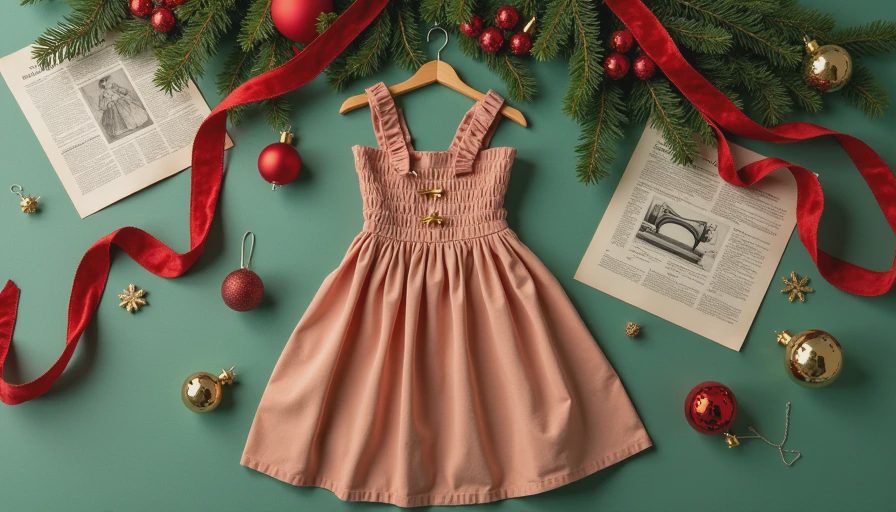
A good vintage christmas dress womens search should end with more than red velvet and a glittery bow. It should lead you to a garment with a sensible cut, honest construction, and enough personality to make a December gathering feel memorable. I have found beautiful holiday dresses in Savannah thrift stores, estate-sale closets, and the back rails of shops where the hangers squeak. The best ones usually need a little patience before they reveal themselves.
Vintage holiday clothing has an advantage over most new partywear: it already knows how to celebrate. A 1950s cocktail dress can bring a clean, sculpted silhouette. A 1960s shift feels playful without trying too hard. A 1970s velvet number can look downright cinematic under warm lights. The trick is learning which details signal quality and which ones simply shout “holiday clearance.”
Start with the era, not the color
When someone types vintage christmas dress womens into a search bar, they often picture one specific look: red, sparkly, fitted, and ready for a party. I would start somewhere else. Begin with the era and fabric, then let the color follow.
For the 1940s and early 1950s, look for rayon crepe, satin, narrow shoulders, defined waists, and careful dart placement. These dresses often have metal zippers from makers such as Talon or Conmar, though a zipper alone does not prove a garment’s age. A 1960s dress may use acetate, brocade, or velvet with a straighter shift shape. Late 1970s examples often bring draped jersey, long sleeves, gathered waists, and dramatic collars.
Holiday dressing does not require a novelty print. Deep forest green, burgundy, navy, ivory, and bronze can feel festive without turning the wearer into a wrapped present. A black dress with beaded cuffs may serve more occasions than a bright Santa motif, which is useful if your calendar includes dinner, a concert, and the office party.

How to inspect a vintage holiday dress
The first inspection happens before the fitting room. Hold the dress near a window and look for uneven fading, yellowed underarms, water marks, and fabric that has gone thin at the fold lines. Smell matters too. A dusty closet scent can often be aired out, but a strong mildew odor may point to permanent damage.
Check the seams, hem, lining, and closures in that order. Tug gently at the side seams to see whether the thread is stable. Examine the hem for dropped stitches or a hurried alteration. A fully lined bodice is not automatically better, but a smooth lining can make an older dress more comfortable and help it hang properly.
Then inspect the hardware. A metal zipper that moves cleanly is a good sign; a zipper that catches at the waist may need replacement. Look for snaps, hook-and-eye closures, and spare buttons tucked into the side seam or label area. Missing buttons are usually manageable. A shattered zipper tape, brittle elastic, or crumbling faux leather trim is a more expensive repair.
If you find a vintage christmas dress womens shoppers would call “perfect” online, ask for measurements rather than trusting the tagged size. Vintage sizing changed substantially over the decades. Measure bust, waist, hip, shoulder width, and total length against a dress that fits well. A tailor can sometimes add a little room at a side seam, but fabric removed by a previous alteration cannot be wished back into existence.
Fit without losing the period character
The goal is not to make an older dress look brand new. It is to let the original design sit comfortably on a modern body. A 1950s waist should not pinch simply because the silhouette is supposed to be defined. A 1960s shift should skim rather than hang like a tent. A 1970s jersey dress should move when you walk.
Try the dress with the undergarments and shoes you expect to wear. A slip can change the way rayon falls, while a low heel may alter the hemline enough to matter. Sit down, lift your arms, and reach for an imaginary plate of cookies. If the shoulder seams pull or the zipper strains, the dress is giving you useful information.
For a vintage christmas dress womens outfit that feels polished rather than costume-like, keep the fit authentic and modernize one supporting detail. A simple leather pump, a small gold hoop, or a plain wool coat can calm a very decorative dress. You do not need matching rhinestone earrings, a novelty clutch, and a 1940s hairstyle unless that is genuinely your thing.
Styling the dress for real December weather
Holiday photographs often happen near a cold doorway, a drafty historic house, or an overenthusiastic air conditioner. Build warmth into the outfit. A cropped cardigan works with a sleeveless 1950s dress, while a fitted turtleneck under a sleeveless 1960s shift creates a sharp, practical layer. For velvet, try a long wool coat so the textures feel intentional rather than crowded.
Shoes should match the dress’s mood but do not need to be period-correct. Mary Janes, loafers, ankle boots, and simple pumps can all work. If the dress has a full skirt, a slightly substantial shoe keeps the outfit grounded. If the hem is narrow, a slim boot usually creates a cleaner line.
A vintage christmas dress womens look also benefits from restraint in accessories. Choose one loud element: beading, a brooch, sculptural earrings, or metallic shoes. Let the rest support it. Vintage dressing gets better when every piece is not competing for the same story.
Where to shop and what to pay
Estate sales, consignment stores, church rummage sales, online vintage dealers, and local flea markets each have different strengths. Estate sales can uncover excellent dresses at $20 to $75, though condition and sizing are unpredictable. Curated boutiques may charge $90 to $250 for a cleaned, measured, and repaired example. Exceptional designer pieces, hand-beaded dresses, and rare mid-century fabrics can go higher.
Online listings are useful when they provide flat measurements, fabric details, close photographs, and a clear return policy. Search by era terms such as “1950s rayon cocktail dress,” “1960s velvet shift,” or “1970s holiday maxi,” then compare the listing photos with the description. A seller who identifies stains, repairs, and missing labels is usually more trustworthy than one who promises a flawless miracle.
Budget for alterations. A hem might cost $20 to $45, while replacing a zipper or reshaping a waist can run from $40 to more than $100 depending on the construction. Cleaning is another consideration. Some rayon, velvet, and beaded garments need a specialist rather than a standard wash-and-fold service.
A simple buying checklist
Before paying for a vintage christmas dress womens find, inspect the underarms, neckline, hem, zipper, lining, and seams. Ask whether the garment has been cleaned and whether any repairs are present. Compare the measurements with a dress already in the closet. Check that the fabric can tolerate the movement your event requires, especially if you plan to dance, travel, or carry a child.
Finally, look at the dress in plain light. Store lighting can flatter faded color and hide marks. Take a quick photo from the front and back, then decide whether the garment still feels right without the romance of the rack. I have overpaid for a beautiful 1960s velvet dress with a brittle zipper because I was too busy admiring the collar. The collar was magnificent. The repair bill was less so.
The right vintage christmas dress womens choice should give you a little thrill and still make practical sense. Wear it with care, repair what can be repaired, and let its quirks remain visible. Every stitch has a story.



No letters yet — be the first to write.