A few weeks ago a customer in his late fifties walked into The Vault, nodded at a rack of 1960s wool blazers, and asked me straight: "What are the actual outfits for older men that don't make me look like I'm playing dress-up?" I hear that from a lot of men who are tired of fast fashion but nervous about vintage. They picture Hawaiian shirts and bowling shoes. That's not what I sell, and it's not what you need. I spent eight years buying menswear in New York before I moved to Savannah to run a vintage shop, and I've handled thousands of garments. Every stitch has a story, but the best story is the one you write yourself.
Here's why: vintage is kinder to an older body than the mall is. A 1950s sport coat or 1970s trousers were cut for a man with a real chest and shoulders, not a sample size. You don't have to squeeze into the trend cycle. You need clothes with room and structure.
Dressing Your Age Is a Sales Pitch
Walk into a department store and "dressing your age" means the same navy polo and boat shoes as every other guy. The men in their fifties and sixties who dress well stopped listening to that pitch. A vintage Pendleton board shirt over worn-in Levi's 501s is not a costume; it's a uniform road-tested by decades of honest wear. Last spring I sold a 1970s Filson cruiser to a retired professor. He wore it all winter and came back looking for a second one. That's what clothes should do — earn their place in your life. And once you grasp that, vintage becomes the easiest place to find clothes that actually belong to you. That's the real meaning of dressing well past forty.

Start With These Vintage Building Blocks
Dress like you mean it, and you need a small stack of heavy hitters. You can find most of these for under sixty bucks at an estate sale or a decent thrift shop.
Pleated trousers are the first thing I send older guys after. Wool or heavy cotton from Corbin, Austin Reed, or J.Crew's older runs. A high rise at the natural waist makes your legs look longer and your middle look settled. Tuck in an oxford cloth button-down from Brooks Brothers or Lands' End and you've got a foundation for a dozen outfits for older men.
Sport coats: Harris Tweed, Pendleton, old Southwick. Natural shoulder, a little room through the chest, sleeves ending at the wrist bone. It should hang like it was waiting for you.
Footwear: skip square toes. Shell cordovan loafers, Wolverine 1000 Mile boots, or clean wingtips. Worn, polished, and resoled, they outlast every trend.
Four Outfits for Older Men That Work in Real Life
Here are the looks I send people out of the shop wearing, with estimated price tags.
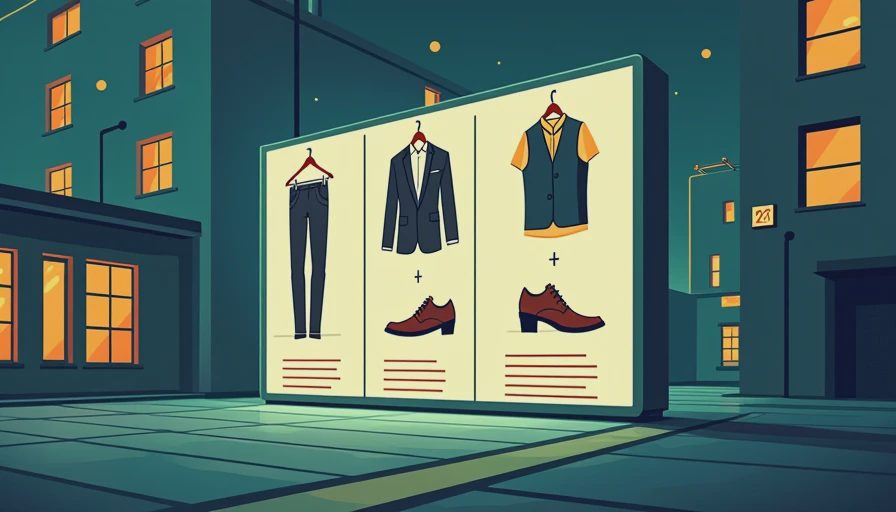
The weekend uniform: a 1980s Pendleton wool shirt, dark Levi's 501s from the 90s, and Red Wing or Wolverine boots. Usually eighty to a hundred twenty dollars at the shop, and it works from a Savannah coffee shop to a backyard cookout.
The no-tie office look: a Harris Tweed sport coat, a blue oxford, pleated wool trousers, and penny loafers. You'll look sharper than the guy in a cheap new suit, at a fraction of the price.
The date-night stack: a black crewneck sweater, a white oxford underneath, charcoal flannel trousers, and shell loafers. Men have worn this combination since the 1960s, and it still wins.
The weekend worker: a Filson or Carhartt chore coat, a heavyweight flannel, and plain cotton twill trousers. Rugged without trying, and it gets better every wash.
Fit, Fabric, and Function: The Real Rules
Three checks before you buy: shoulder seams at the edge of the bone, not down the arm. Pants closing at the natural waist with a credit card in the pocket, no belt required. Sleeves showing a half inch of shirt cuff when your arms hang.
Fabric outranks brand. Wool, cotton, linen, and leather get better with age. Polyester doesn't. A tempting bargain in synthetic fabric is just a future regret.
How to Start Digging Without Getting Overwhelmed
Take one afternoon. Write your chest, waist, and inseam measurements on your phone. Feel the fabric before you read the label. Check the seams and the zipper — a working Talon zipper is a joy; a broken one gets left behind. If it has holes, bad fading, or a smell that won't wash out, put it back. Start at thrift stores and estate sales before you pay specialty vintage prices. That's the way to build outfits for older men that last.
The point of all this is simple: buy clothes that match the life you have. Vintage gives you quality, character, and a story for half of what a new heritage brand charges. So next time someone mentions outfits for older men, tell them to go dig. And if they find themselves in Savannah, tell them to look me up at The Vault. I'll be the one pulling Pendleton off the rack.



No letters yet — be the first to write.