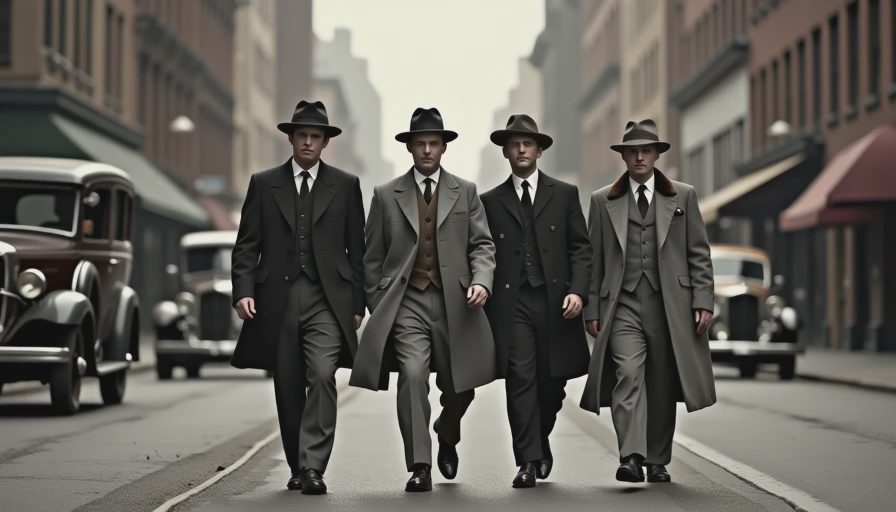
Every stitch has a story, and few decades tell theirs as well as the 1930s. If you dig through enough thrift racks, you'll start spotting the 1930 clothing styles men actually wore — not costume versions, but the real deal. This was the decade menswear turned practical. The Great Depression meant you made do, repaired, and bought less. Tailors and mills cut smarter, and the result was high-waisted trousers, drape-shouldered jackets, and work shirts built to last. Modern brands keep rediscovering these pieces, and I keep steering customers toward them at my shop in Savannah.
Why the 1930s Keep Showing Up in Modern Racks
When you see a modern lookbook full of wide-leg trousers and soft-shouldered blazers, you're looking at a 1930s idea. The drape cut, refined by British tailors early in the decade, gave a fuller chest and a waist that didn't pull. American workwear brands like Lee and Levi's were stitching heavy denim into chore coats and overalls that farmers actually wore. The whole era had a "use every inch" attitude, which is why these garments fit into a modern wardrobe without screaming costume. The trick is knowing what to grab. Look for trousers with suspender buttons, shirts with two-piece collars, and jackets with high armholes. Those details are the tell.
The Wide-Leg Trouser: The 1930s Pant That Rules Today
The easiest 1930s piece to wear right now is the wide-leg trouser. In this era, pants sat at the natural waist with double pleats, and the cuffs were functional — they added weight so the trousers hung straight and saved the hem from dragging. Look for a high rise and a full leg. Pair them with a simple tee or an oxford, and you'll see why every modern trouser brand is trying to copy the silhouette. At my shop, these are the first to go.
Work Shirts and Sport Shirts: From Factory Floor to Street Style
Before the button-down collar took over, most men wore shirts with softer attached collars or separate ones. The 1930s work shirt is a thing of beauty: chambray, herringbone twill, or heavy cotton with a chest pocket and clean lines. A good one has a boxy cut that looks right unbuttoned over a tee or done up with a tie. Sport shirts in bold rayon prints also came into their own in the late 1930s. Put on a brown chambray work shirt with modern straight-leg jeans, and you've got a look no one else will have.
The Drape Jacket and Double-Breasted Suit
The 1930s suit is where the decade really shines. The drape jacket, with its fuller chest and soft shoulder, was a reaction against the stiff suits of the 1920s. Double-breasted styles were everywhere, with wide lapels and a nipped waist. You don't need a full three-piece to get the look — a single drape-cut blazer in textured wool will do more for your wardrobe than anything from the mall. Sizing is the tricky part. Suits from this era run short and boxy compared to today, so try on a lot and be ready to walk away. A tailor who knows vintage can work wonders.
Hats, Ties, and Suspenders: Finish Without a Costume
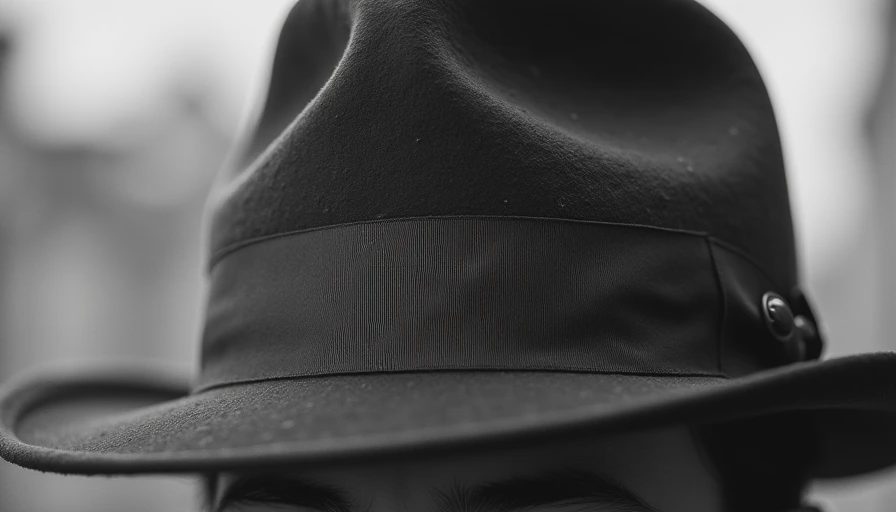
Accessories are where 1930 clothing styles men lean in without going full period. A fedora in neutral felt works with a denim jacket. A newsboy cap in tweed has a different shape than the fashion versions. Suspenders, not belts, were the standard in the 1930s, and they're the easiest way to get high-waisted proportions right. Ties were shorter and wider than 1920s styles, with geometric patterns that still feel modern. The key is restraint. Pick one vintage accessory, keep the rest of your outfit contemporary, and you'll look intentional, not like you're headed to a film set.
How to Shop 1930 Clothing Styles Men (Without Looking Like a Costume)
This is what I get asked most at the shop. Start with size. A 1930s size 40 jacket runs closer to a modern size 38 or even 36 in the shoulders, because the cut was narrower and armholes were higher. Trousers are easier: look for a rise around 13 inches or more and a leg opening near 18 inches. Check the hardware. Talon zippers, metal buttons, and suspender buttons are good clues. Fabric matters too — wool, flannel, corduroy, and heavy cotton will wear better than anything poly. Wash less. These clothes were meant to last decades, and they will if you don't run them hot.
A Quick Checklist for the Dig
Here's what I tell first-timers. One: look at the rise before the brand. Two: feel the cloth — it should have substance and a little tooth. Three: check for suspender buttons and Talon zippers. Four: hold the shoulder seam up to your shoulder; vintage runs narrow. Five: don't chase perfection. A little wear and a patched elbow is the story. Every stitch has a story, and a 1930s piece with a little mending is worth more than a pristine modern garment with none. Take it home, hang it up, and let it settle into your rotation.
If you find one piece this month, start with a pair of wide-leg wool trousers or a chambray work shirt. Wear them with things you already own, and you'll understand why the 1930s are still a source of style that never really went away.

No letters yet — be the first to write.