A good shirt from this era has a certain quiet confidence. The 1950s mens work shirt with low pocket is one of those pieces that looks simple until you start noticing the details: the pocket sits lower than you expect, the fabric has some body to it, and the whole thing feels built for a man who expected to actually use his clothes. I have bought plenty of shirts like this for the shop, and I still get a little thrill when I find one with the right drape and a clean tag. Every stitch has a story.
What makes this style useful now is that it does not scream for attention. It reads as workwear first, nostalgia second. That means you can wear it with jeans, fatigues, or even wool trousers and let the shirt do the talking. The trick is knowing whether you are looking at a real midcentury work shirt, a later western-influenced knockoff, or a modern repro trying hard to look old. If you know what to check, you can buy with a lot more confidence.
The details I look for in a 1950s mens work shirt with low pocket
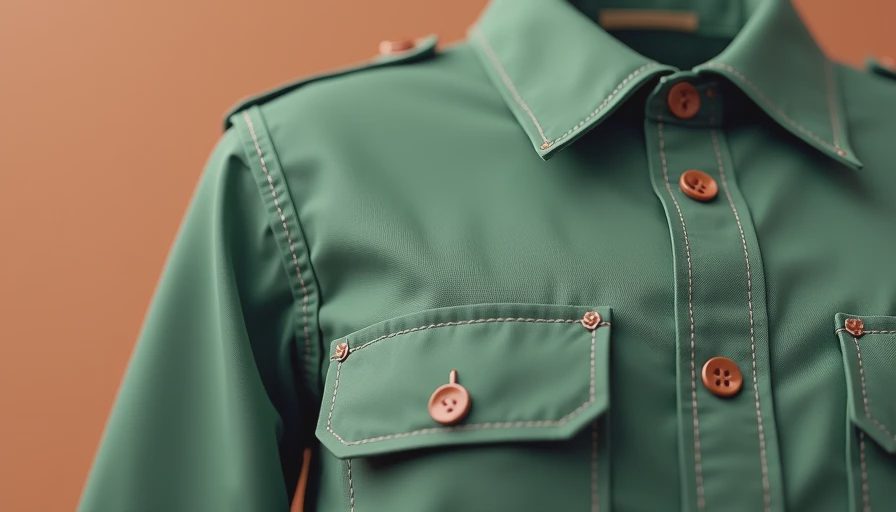
When I see a true 1950s mens work shirt with low pocket, I start with the fabric and the construction before I even think about style. Cotton twill, chambray, herringbone, and sturdy poplin were all common choices, and they usually have more character than the slick, polished cotton you find on newer shirts. The collar is often medium spread or soft and practical rather than sharp and fashion-forward. Buttons may be simple melamine or plastic, and older shirts sometimes show cat-eye or donut-style buttons that feel right for the period. Union-made labels, department-store house brands, and workwear names all show up here, especially from places like Sears, Penney's, and Big Mac.
The low pocket is not just a gimmick. On these shirts, it usually sits a little below the high chest placement you see on dress shirts or later cowboy shirts. That lower spot gives the front a flatter look and keeps the shirt from feeling too fussy. I also like to check the seams, because older work shirts often have a sturdier build than modern fashion shirts. Felled seams, neat topstitching, and a straight hem all help tell the story. If the shirt feels light as tissue paper, I keep moving.

Fit matters just as much as the labels. These shirts were usually cut with room in the body, because a working man needed to move his arms, bend over, and stay comfortable through a long day. That means the best examples are not slim. They should hang cleanly without clinging, and the sleeves should have enough room to roll. A little boxiness is part of the charm. If the shoulders are too narrow or the torso has been taken in hard, the shirt can lose that easy midcentury shape and start looking costume-shop stiff. I would rather see honest wear than a bad alteration.
How to judge value without overpaying
Price depends on condition, rarity, and whether the shirt has enough life left in it. At a flea market or thrift store, I am happy with a clean example in the $35 to $70 range. In an online shop, especially if the tag is desirable or the color is strong, I often see solid shirts in the $75 to $140 range. Deadstock, very large sizes, or unusual fabrics can push higher. If the shirt has hard staining, cuff damage, or thin spots under the arms, the price should come down fast. A pocket repair is one thing; dry rot is another.
If you are buying online, measurements matter more than the era language in the listing. Ask for chest, shoulder, sleeve, and length, then compare those numbers to a shirt you already like. I have made the mistake of falling for a faded blue shirt just because the seller wrote a beautiful paragraph about it. The shirt arrived, and the sleeves were too short by a country mile. Pretty descriptions do not fix bad proportions. A smart buyer keeps a tape measure handy and remembers that a real vintage shirt can fit a little differently from a modern medium or large.
Where this shirt lives best in a modern wardrobe
A 1950s mens work shirt with low pocket works best when you let it stay a work shirt. I like it open over a plain white tee with straight-leg jeans, or tucked into fatigues with a leather belt and boots that have a little wear on them. You can also button it all the way and wear it under a chore coat or denim jacket. That gives you texture without turning the outfit into a reenactment. If the shirt has a soft plaid or a faded solid color, it will play nicely with raw denim, faded black jeans, or olive trousers.
The main thing is to avoid over-accessorizing it. You do not need a trucker cap, a neckerchief, and a fake cigarette to sell the look. Let the shirt carry the period feeling. A good pair of jeans and a sensible shoe are usually enough. I wear shirts like this with plain lace-up boots when I want the outfit to feel grounded, and with sneakers when I want to strip the nostalgia down a little. The point is to look like someone who owns the shirt, not someone posing beside it.
What to inspect before you buy
When I see a 1950s mens work shirt with low pocket in the wild, I check the pocket height first, then I run my fingers along the collar and under the arms. That area tells you a lot. Sweat staining can be manageable if it is light, but hard yellowing, brittle fabric, or threadbare patches usually mean the shirt has already done its time. I also inspect the placket for missing buttons and look closely at the cuffs, because those are the spots people wear out first. A little fading at the seams is honest. Holes that keep spreading are not.
I pay attention to odor too. A clean shirt can usually be washed and aired out, but musty mildew that has settled into the fibers can be a headache. If the shirt is tagged as union made or carries a well-known house label, I still do not let that override condition. A common shirt in great shape will serve you better than a celebrated label that is falling apart. Vintage rewards patience. The right one shows up when you are willing to look past the first cute thing on the rack.
Why this shirt still works now
The reason this shirt keeps getting attention is simple: it has structure without stiffness. The pocket sits low enough to feel old-school, the fabric usually has enough heft to last, and the proportions make sense on a real body. That combination is hard to fake. A modern reproduction can come close, but a true midcentury shirt has a softness in the collar, a faded honesty in the cloth, and a kind of lived-in ease that comes from surviving several decades. That is the appeal for me, anyway. I like clothes that have already proven they can make it through something.
If you are shopping for one, keep your eyes on measurements, fabric weight, and pocket placement before you get distracted by the romance of the era. The best buy is the shirt you will wear, not the one you will keep folded in a drawer because you are nervous about messing it up. A 1950s mens work shirt with low pocket should feel useful on day one. That is the whole point. Find the one with a good story, put it to work, and let it earn a few more miles.



No letters yet — be the first to write.