If you spend enough time digging through wool racks in July, you learn that retro cardigan mens pieces can be the easiest way to add character without dressing like you tried too hard. I like them because they do the work of a jacket, a sweater, and a small personality test all at once. The good ones hang clean at the shoulder, keep their shape, and look better with age. The bad ones pill, sag, and smell like a church attic. Every stitch has a story, and this is one of the most useful stories a man can wear.
What to look for on the rack
When I pull a retro cardigan mens sweater off a rack, I start with the fabric and the hands-on stuff, not the label. Wool, lambswool, mohair, and dense cotton knit are the safest bets. Acrylic is not always a dealbreaker, but it needs to feel substantial; thin synthetic knitwear turns fuzzy fast and tends to slump at the hem. Check the shoulders for stretch marks, the cuffs for shine, and the underarms for little felted holes that show up only when you hold the garment to the light.
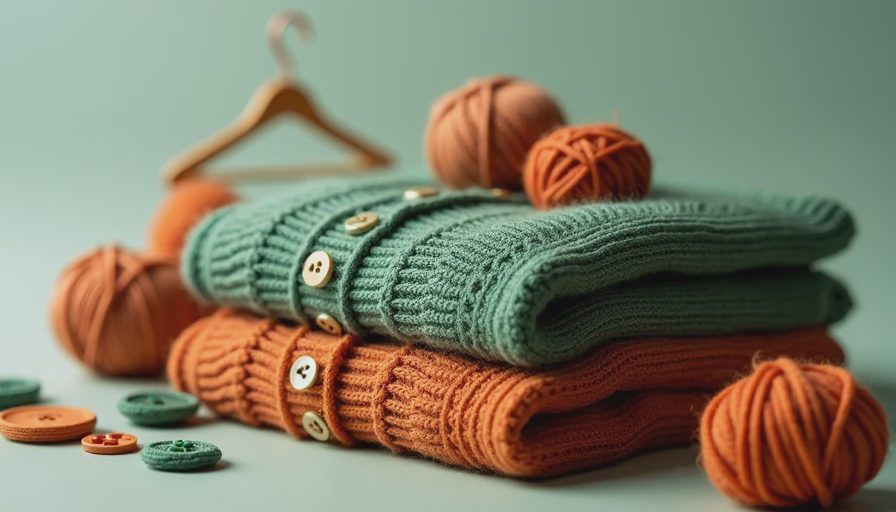
Buttons tell you a lot. Corozo, horn, mother-of-pearl, and old plastic buttons all show up on good vintage. Loose replacements are fine if they were stitched cleanly. What I skip are brittle buttons, stretched buttonholes, and hems that have gone wavy from too many hot washes. A Pendleton, Pringle, McGregor, Jantzen, or Alan Paine label is nice, but I would rather buy an unbranded cardigan with tight seams than a famous name that has been chewed up by time.
Which eras wear best now
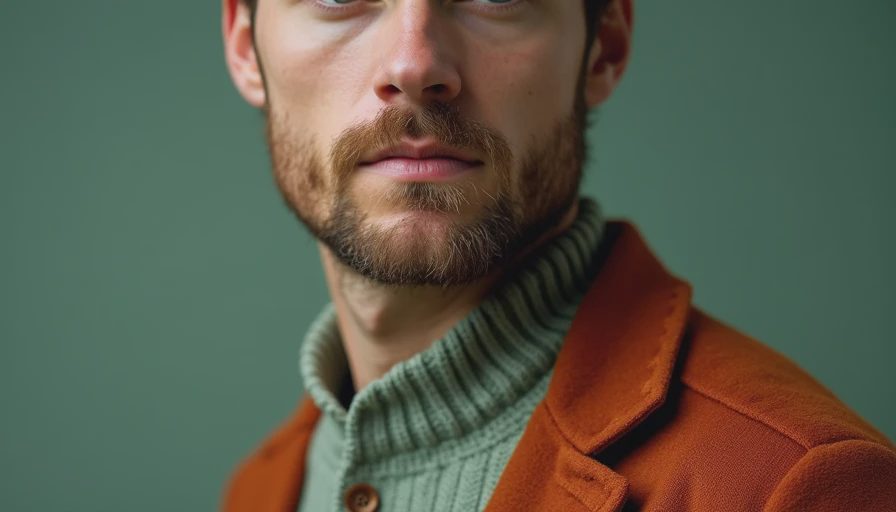
The sweet spot for retro cardigan mens styling changes by decade, and that is half the fun. A 1950s knit often has a neater body and a smarter collar line, which makes it easy to wear with dark denim or pleated trousers. The 1960s brought more texture, more color, and a little swagger, especially in mohair and brushed wool. By the 1970s, the shapes got roomier and the palettes got louder; that can be excellent if you like rust, olive, mustard, or a deep wine tone. The 1990s gave us oversized grandpa energy, which sounds funny until you put one over a plain tee and realize the proportions work.
If you are shopping with your closet in mind, aim for one visual hook and let everything else settle down. A shawl collar, a chunky cable, a geometric pattern, or a contrast placket is enough. Two or three loud details at once starts to look like a costume rack from a high-school theater department, and nobody needs that on a Tuesday.
How to wear it without looking costume-y
A retro cardigan mens sweater works best when the rest of the outfit stays calm. That usually means a white or heather gray tee, a striped OCBD, or a plain henley underneath. If the cardigan is fuzzy or patterned, keep the pants simple: straight-leg jeans, olive fatigues, dark chinos, or wool trousers. Shoes can swing the mood either way. Rugged boots make it feel more workwear; loafers or clean sneakers pull it back toward everyday wear.
I like the cardigan open most of the time, because it lets the knit drape instead of bunching up. If the buttons line up cleanly and the hem sits at or just below the belt line, you can button one or two in the middle and leave the top open. That keeps the shape intact without turning you into a university dean from 1974. In warmer weather, wear it over a pocket tee with sleeves pushed once at the cuff. In cooler weather, layer it under a chore coat or denim jacket and let the knit do the quiet heavy lifting.
What to pay and where to shop
For most shoppers, the real question with retro cardigan mens pieces is price. At a thrift store, a solid find usually lands somewhere around $12 to $25, which is a nice lane for experiment pieces and small risks. Estate sales can be better for older wool cardigans because they often come with less handling and fewer missing buttons. On eBay, Etsy, and Depop, expect to see $45 to $120 for clean, wearable examples, with mohair, unusual patterns, or known labels pushing higher. I have seen especially good 1960s and 1970s knits hit $150 or more when the color, condition, and size all line up.
The trick is to pay for the things you can see in photos: measurements, knit condition, button integrity, and a clear shot of the label. If a seller only writes "fits like medium," keep scrolling. Good vintage sellers usually know chest, length, and sleeve measurements because they know people are trying to avoid expensive guesswork. That is true whether you are buying from a dealer in Savannah, a suitcase seller at the flea market, or somebody clearing out a barn full of old clothes.
The fit test before you hand over cash
The quickest way to judge retro cardigan mens fit is to look at the shoulder, body length, and sleeve break before anything else. The shoulder seam should sit close to the edge of your shoulder without hanging halfway down your upper arm. The body should close without pulling into little X-shaped stress lines at the buttons. Sleeves can be slightly long on a cardigan, but if they swallow your hands, the piece is probably too big or too stretched out to be useful. A little room in the chest is fine; too much room around the hem usually reads sloppy, not relaxed.
I also check how the knit behaves when I lift the arms. If the whole sweater rides up to your ribs, the armhole is probably cut too low or the fabric has lost its memory. If the hem springs back and the placket stays flat, that is a good sign. That is the point where a vintage piece stops being a novelty and starts becoming a wardrobe workhorse. The best one disappears into your routine, which is what you want. Every stitch has a story, but the best stories are the ones you can actually wear.



No letters yet — be the first to write.