The first time I tried on a battered Stetson Open Road in Savannah, I understood why old fashioned hats mens still have a pull. The right hat does not shout for attention. It finishes the outfit, adds a little authority, and makes a plain coat or work shirt look like somebody meant it. That is the trick with vintage headwear: buy the hat, but wear the rest of the clothes like you live in them.
What trips people up is not age, but silhouette. A good hat has the right brim, a sensible crown, and enough character to look interesting from across the room without drifting into derby-night cosplay. If you have ever seen a fedora, a flat cap, and a western hat all treated like one big category, you already know why this gets confusing. The good news is that old fashioned hats mens covers a lot of ground, and most of it is easier to wear than the internet makes it sound.
What old fashioned hats mens actually covers
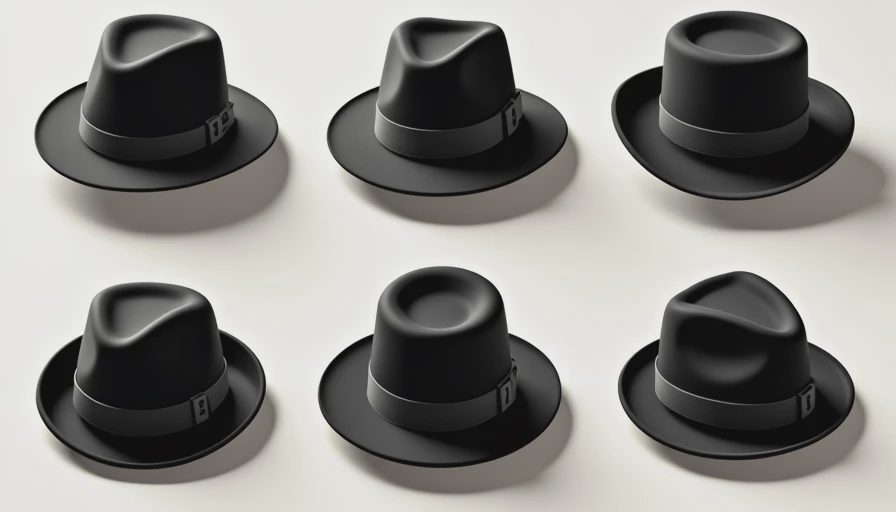
In a vintage shop, the label matters less than the shape. A fedora usually has a medium brim and a pinch crown, and it works best when the felt is clean and the brim is not crushed flat. A homburg is dressier, with a stiffer feel and a curled brim edge that can look sharp with a wool coat. Flat caps and newsboy caps sit closer to casual wear, which is why they pair so well with denim, corduroy, or a chore jacket. Then there are western hats, boater styles, and straw hats that show up in warm weather and turn up more personality without much effort.
For most guys, the safe lane is not the most boring one. A sand-colored straw hat in summer or a charcoal felt hat in fall will do more for a wardrobe than some novelty piece with too much shape and too much attitude. If you want a first buy, choose something that looks like it belonged to a person who took the bus, not a character who stepped off a poster.
How to judge condition before you spend real money
A vintage hat can look great from six feet away and still be a mess up close. Start with the sweatband. If the leather is split, dry, or flaking, the hat is usually telling you it has lived a hard life. Check the crown for stiff spots, because old perspiration and storage damage can leave a felt hat misshapen in a way steam will not fully fix. A few tiny moth nibbles on wool felt are common; a lacework of holes is not worth your time unless the piece is unusually rare.
The lining, if it has one, should sit cleanly and not smell like a wet attic. On better hats, look for names like Stetson, Dobbs, Borsalino, Akubra, or Bailey. Those brands are not magic, but they do tell you the hat was made with enough care to survive decades if it was treated right. On the used market, a clean everyday hat often lands around $30 to $80. Better felt or well-kept branded pieces can climb to $100 or more, and collector-grade hats go up from there fast.
Why fit matters more than the name on the inside
Fit is the whole game, and it is where a lot of men get spooked. The crown should sit comfortably without squeezing, and the brim should frame your face rather than hide it. If your face is narrower, a wide brim can swallow you up. If your features are broader, a tiny brim can make the hat look toy-sized. I usually like a brim somewhere in the 2 1/4 to 2 3/4 inch range for everyday wear, because it gives shape without turning the hat into a prop.
Just as important is the angle. A hat pulled low and cocked hard to one side can look like you are auditioning for a period drama. Worn level, or just slightly forward, it reads calmer and more natural. The same goes for the rest of the outfit. If the hat is vintage, the jacket does not need to be a costume. Workwear, denim, waxed cotton, and plain wool all give the hat a place to land.

What to wear with it when you want the look to feel lived in
The easiest outfits are the ones that already have texture. A felt hat with a denim jacket and oxford shirt feels grounded. A flat cap with a peacoat or a heavy overshirt looks intentional without trying too hard. A straw hat with seersucker, linen, or a cotton poplin shirt makes sense because the fabric story matches the season. Even a leather jacket can work, but keep the hat simple so the whole thing does not start talking too loudly.
Color matters too. Black is strong, but it can read severe if the rest of the outfit is dark and shiny. Brown, olive, gray, tobacco, and natural straw are easier to live with. If you are unsure, start with a neutral hat that sits quietly next to your boots, belt, or coat. That is how old fashioned hats mens starts to feel less like a statement and more like part of the wardrobe.
Where to shop and what you should expect to pay
Thrift stores and estate sales are still the best places to find value, especially if you are patient and know your size. I have pulled decent hats for under $20 when the market was sleepy and the seller did not know what they had. Antique malls usually price higher, but you may find a cleaner sweatband and a hat box thrown in, which saves time later. Online, eBay and Etsy give you more size options, though you have to read photos carefully and ask for brim measurements when the listing is vague.
Search by brand, size, and material rather than just color. A listing that says 7 3/8, fur felt, and Stetson will tell you more than one that says vintage mens hat and calls it a day. If you are buying from a shop you trust, paying $75 to $150 for a wearable piece is not crazy when the sweatband is solid and the shape is right. The cheap hat that fits poorly often costs more in the end because it just sits in the closet.
The first-buy plan that keeps you from overthinking it
If I were starting over, I would buy one felt hat in a neutral color, one simple cap for casual wear, and stop there until I knew what I actually reached for. That keeps you from collecting dusty experiments. It also gives you room to figure out whether you really live in brimmed hats or just like looking at them on other people. Try the hat on with the coat you wear most, not the outfit you hope to become someday.
That is the whole point of old fashioned hats mens: pick one that suits your face, your clothes, and your actual life. If it feels natural on day one, it will stay in rotation. If it feels like you borrowed it from a costume trunk, leave it on the rack and keep digging. Every stitch has a story, and the best stories are the ones you can wear out the door.


No letters yet — be the first to write.