Every stitch has a story, and no garment tells a better one than a mens vintage leather blazer. I found a 1970s horsehide blazer in Savannah for forty dollars, with a working Talon zipper and arms creased by a carpenter's workbench. That's the kind of character you can't get from a mall rack. Here's how to find your own.
Why a Vintage Leather Blazer Is Worth the Dig
Fast fashion made leather look cheap. Modern blazers use split-grain or bonded leather that starts peeling within two years. Vintage pieces from the 60s through the 80s usually use full-grain cowhide, horsehide, or lambskin, cut thick and stitched to last. A mens vintage leather blazer with a few scratches and a worn collar will still outlast most of what's in stores today. You also get construction details that disappeared when production moved overseas: hand-sewn linings, usable breast pockets, flat-fell seams, and reinforced stress points. Hold a modern blazer next to a vintage one and you'll feel the difference in weight and grain.
What to Look For: Leather, Lining, and Zippers
When you're digging through a rack, run your hand over the hide. Full-grain leather feels dense and slightly cool to the touch, and it develops a natural patina with age. If the surface looks pressed with a fake grain pattern, put it back. Next, check the zipper. Talon and Conmar zippers are a good sign — those were American-made and easy to fix. YKK is fine too, especially on later pieces. A broken zipper isn't a dealbreaker, but it should lower the price. I've had a cobbler replace a main zipper for about sixty dollars, so factor that in.
Open the lining and check the seams. A maker's label inside, like a department store tag that no longer exists, adds character and dating clues. Wide lapels and a boxier fit point to the 70s; a slimmer cut and shorter length lean toward the 80s.

How to Date the Blazer: Tags, Zippers, and Cut
Look for a union label, a small cloth tag common from the 40s through the 70s. The zipper helps too. Talon dominated before the 60s; Conmar peaked in the 50s and 60s. A boxy, single-breasted cut with a Talon zipper usually means 60s or early 70s. The cut matters more than the tag. A mens vintage leather blazer from the 60s tends to sit high in the shoulder with a trim, straight body. The 70s brought wider lapels and a looser chest. The 80s went oversized with heavy shoulder padding you could land a plane on.
How to Wear a Vintage Leather Blazer Without Looking Like an Extra
Pair it with a plain white t-shirt or a faded henley. Straight or slim jeans work better than skinny. Don't pile on a wide-collar shirt, aviator sunglasses, and a gold chain all at once — that's a costume. The blazer should fit like a sport coat. The shoulder seam should hit the edge of your shoulder. You should be able to button it without pulling. Sleeves should end near your wrist bone. If they run long, a tailor can shorten them for around forty or fifty dollars.
For a colder day, layer it over a thin knit sweater. Skip the flashy belt and let the leather be the center. The right blazer works with gray wool trousers for a night out, or with broken-in denim for coffee on a Saturday morning. Keep the rest of your outfit low-key so the jacket does the talking.
Where to Find One and What to Pay
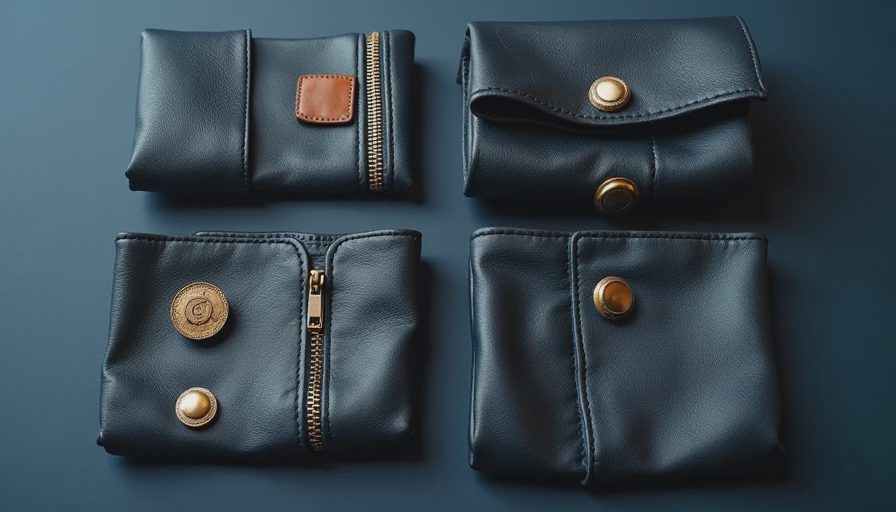
Start at a local thrift store with a dedicated outerwear rack, or a vintage boutique like the one I run in Savannah. Estate sales and flea markets work if you go early. Depop and Etsy have vintage sellers, but you can't feel the leather before you pay. When you do find a candidate, check the seam construction and the zipper operation before you commit.
Pricing on a mens vintage leather blazer varies with the hide and the label. A clean lambskin piece with a common brand runs about 80 to 150 dollars in most thrift shops. A made-in-USA horsehide or steerhide blazer with the original zipper and a nice patina can go for 200 to 400 dollars. If you find one under 60 dollars and it fits you, buy it. You can always fix the details. Designer labels like Schott or Brooks Brothers cost more but hold their value and age beautifully.
A Few Last Digging Notes
Once you bring it home, don't hang it in a plastic bag. Use a mild saddle soap and a good leather conditioner once a year. Small stains and scratches are part of the story, not flaws. And if the lining is torn, a tailor can replace it for a reasonable price.
If you'd rather skip the digging, that's exactly what I do at The Vault. I source and inspect every piece, replace worn zippers, condition the hide, and include measurements and honest descriptions in my online shop. When you buy a mens vintage leather blazer from me, it's been handled, checked, and ready to wear. Every stitch has a story — your job is to start the next chapter.
That's the whole process. Go find the one with a good zipper, a good hide, and a little history.



No letters yet — be the first to write.