I've spent eight years in menswear buying and another six behind the counter at The Vault in Savannah, and I can tell you this: a mens retro blazer is the smartest first vintage purchase a guy can make. Suits are too risky. Sport coats can read as costume. But a well-made vintage blazer with the right pattern and a bit of history? That's the piece that gets compliments at the bar and in the office. Every stitch has a story, and no garment tells a better one than a blazer that's survived fifty years of someone else's life.
Why the Mens Retro Blazer Deserves Your Thrift List
A good vintage blazer does what modern fast fashion can't: it gives you a silhouette nobody else at the party is wearing. In my buying days at J.Crew, we'd spec a jacket with a fused front and synthetic buttons because the margin math worked. Vintage from the 1960s and 1970s was made differently. You'll find half-canvas construction, genuine horn buttons, and a wool or mohair fabric that has already proven it can survive fifty years. That's not nostalgia — that's better dollar value. When I bring a vintage blazer back to the shop, I can usually date its decade before the customer finishes asking about the price.
How to Spot Quality When You're Digging
When I'm hunting for a mens retro blazer, I start with the shoulders. Run your hand across the top of the sleeve head. If you feel a thick, soft roll of padding stitched into the armhole, that's a sign of a properly made coat. A fused jacket will feel flat and stiff, like cardboard. Next, check the buttons. Real horn or corozo will have subtle grain; plastic reproductions look too shiny and uniform. Then look at the lining. A good vintage blazer usually has a silk or rayon lining with a clean finishing seam at the armhole, and often a second inside pocket that a modern jacket wouldn't bother with. If the fabric is a Harris Tweed or a wool Donegal, you're holding something special. Don't worry about dust or a loose button — those fixes are easy.

Dating the Blazer: Zippers, Tags, and Shoulders
Here's my favorite part. That mens retro blazer you're holding has a story stitched into it. A Talon or Conmar zipper on the inner breast pocket points to the 1960s. A wide notch lapel with a low gorge and a soft, unstructured shoulder says early 1970s. If the blazer has heavy, square shoulder pads and a short body, you've found an 1980s piece — fun, but harder to wear. Turn the pocket lining inside out and look for a union label. The old Amalgamated Clothing Workers label with a hand holding a torch generally means pre-1980 and a real garment worker made it. The tags tell you who made it, too. Southwick, J. Press, and Hickey Freeman all show up in Southern bins more often than you'd think.
Fit: What to Look For Before You Commit to the Tailor
The shoulders are everything. With a mens retro blazer, you can fix sleeves, side seams, and length, but a shoulder that's too wide will drag down the whole jacket. Look for a shoulder seam that sits exactly where your natural shoulder ends. Sleeve length should show about a quarter to half-inch of shirt cuff. Body length should cover your rear end but not go much lower. If those three things work, a tailor can handle the rest. In Savannah, shortening sleeves runs $25 to $45, and taking in the waist is another $30 to $50. That's still a bargain when you've paid $12 at Goodwill.
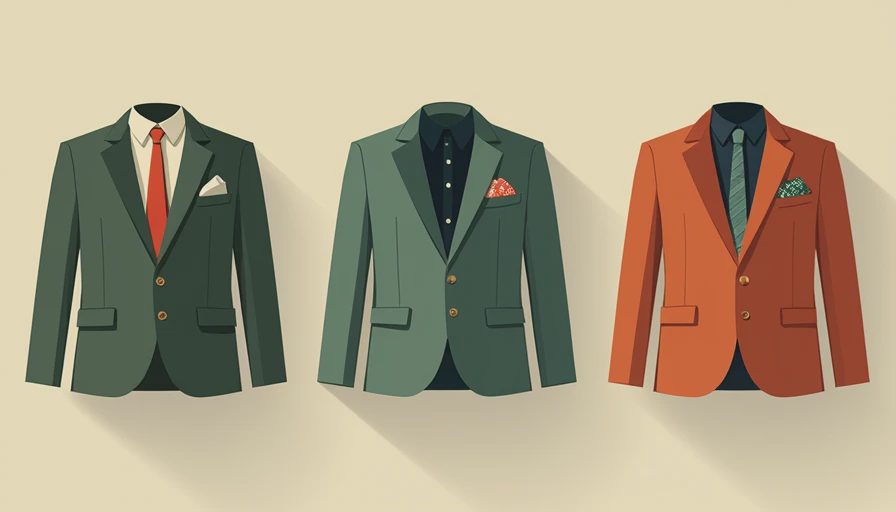
Three Ways to Wear a Mens Retro Blazer Now
A mens retro blazer isn't costume dressing; it just needs modern styling. Pair a brown herringbone or olive corduroy blazer with a white t-shirt and straight-leg jeans. The contrast is all you need. Try a navy worsted blazer with khaki chinos and a plain oxford shirt for an office-adjacent look. For cold months, layer a turtleneck under a checked wool blazer beats any suit. Avoid wearing a vintage tie with a vintage shirt and vintage khakis all at once unless you're going to a themed event. Pick one retro piece and let the rest of your outfit stay current. That's how you honor the piece instead of wearing a costume.
The Care Nobody Talks About
A vintage jacket deserves a break from the hanger. Let it rest at least 24 hours between wears so the wool springs back. Store it on a wide, padded hanger — not a wire one that will poke through the shoulders. Dry clean rarely; once a season is usually plenty. A gentle brush with a clothes brush removes dust and keeps the fabric from looking tired. And if a button goes missing, don't panic — vintage buttons are one of the easiest finds in any thrift store.
Where to Find Them and What to Pay
You'll find a good mens retro blazer in places that don't sort by brand. Thrift stores in older neighborhoods, estate sales in the suburbs, and church sales are the top spots. I've pulled a Southwick from a Savannah Goodwill for $10 and a Hickey Freeman from a Charleston estate sale for $15. On eBay and Depop, expect to pay between $60 and $150 for a clean, ready-to-wear vintage blazer from a reputable seller. Curated shops and vintage boutiques will run $150 to $300, but you're paying for someone like me to do the inspecting, steaming, and button replacement. If you want to skip the digging, I keep a small rack of handpicked blazers at starlandthreads.com — every one of them has passed the shoulder test and has a story to tell.



No letters yet — be the first to write.