The phrase asian pin up can point to several different things online: a vintage illustration style, a photography reference, a collectible paper item, or simply a polished wardrobe built around mid-century glamour. Like most vintage searches, it deserves more attention than a quick image scroll. The good pieces have context, good construction, and a point of view. Every stitch has a story, and the job is to listen before borrowing the look.
For me, the most interesting version is not a costume copied from one famous image. It is a wardrobe language made from strong silhouettes, practical fabrics, and carefully chosen details. You can borrow the mood without pretending to be living in another decade. A wool gabardine jacket, a rayon camp shirt, or a pair of high-waisted trousers can all carry that old studio portrait atmosphere while still working at a neighborhood bar or Saturday flea market.
What asian pin up means in a vintage wardrobe
Pin-up style was never one uniform. It included tailored suits, sailor-inspired separates, fitted knitwear, workwear, evening dresses, and playful accessories. The common thread was presentation: a clear silhouette, deliberate grooming, and clothing that understood the camera. When someone searches for asian pin up, they may be looking for visual references, but the useful lesson is broader. Clothes should frame the wearer rather than bury them under novelty.
Start with proportion. A cropped jacket over a longer shirt creates a clean waistline. Fuller trousers with a tucked knit balance a close-fitting top. A sharply shaped coat gives a simple outfit enough presence without requiring loud graphics. These ideas work across sizes and genders because they are based on line, not a prescribed body. At The Vault, I have watched an oversized vintage blazer become brilliant after the sleeves were shortened and the shoulders left alone. Fit is often the difference between character and dress-up.
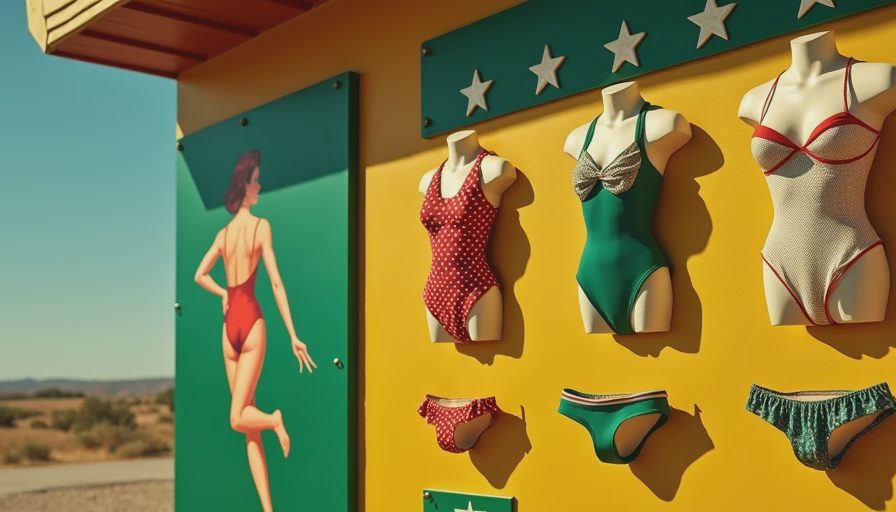
The historical side also matters. Some vintage imagery was created for advertising, military entertainment, calendars, or studio portraiture, and those sources did not always give subjects much control over how they were presented. Treating the phrase asian pin up as a visual category requires care: avoid flattening different cultures, eras, and artists into one interchangeable mood. Look for the illustrator, photographer, publication, date, and original purpose when that information is available.
Building the look from real vintage pieces
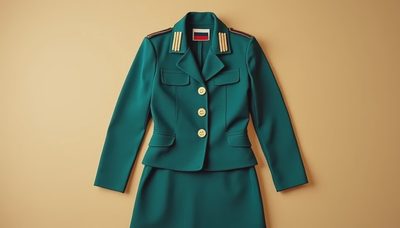
The easiest entry point is a jacket with honest structure. Search for rayon gabardine, tropical wool, cotton twill, or a sturdy blend from the 1940s through the 1970s. Check the inside seams before admiring the lapels. French seams, bound edges, metal zippers, and a useful amount of hand finishing tell you more than a dramatic label. Talon, Conmar, and Lightning zippers are interesting clues, though hardware alone cannot date a garment precisely.
For trousers, look at the rise and waistband first. A higher rise can create the period line people associate with pin-up clothing, while a straight or gently wide leg keeps the outfit from becoming theatrical. If the waist fits but the seat is generous, a competent tailor can often adjust the center back. Do not automatically size down. Vintage trousers can have limited seam allowance, and a too-tight pair loses the relaxed confidence that makes the style work.
A camp shirt, bowling shirt, or rayon button-up brings movement into the outfit. Hawaiian and novelty prints can be beautiful, but choose motifs you can discuss honestly rather than treating another culture's symbols as decoration. A quiet geometric print often looks better than the loudest shirt on the rack. Pair it with plain trousers and vintage loafers, engineer boots, or clean canvas sneakers. One memorable element is usually enough.
Color, fabric, and the camera test
Color does much of the work in an asian pin up outfit. Tobacco, cream, oxblood, forest green, faded navy, and dusty pink sit comfortably beside vintage textures. Black and white can look sharp, but texture keeps the combination from feeling flat. Try a brushed wool jacket with a smooth rayon shirt, or cotton twill trousers with a silk scarf. The contrast gives even simple clothing a little depth.
Fabric condition matters more than a perfect color match. Hold rayon up to the light and inspect the underarms, collar, and side seams. Look for dry areas, tide marks, and pinholes. Wool should not smell strongly of mildew, and leather should flex without cracking. I once paid too much for a gorgeous 1950s jacket because the outside looked flawless; two weeks later, the lining began to disintegrate at every stress point. It was a beautiful lesson and an expensive one.
Use a mirror and take one phone photograph from several feet away. The camera reveals whether the collar is collapsing, the trousers are pooling, or the jacket is swallowing your hands. That quick test is more reliable than staring at yourself from twelve inches away under a thrift-store fluorescent tube.
Using references without making a costume
The strongest asian pin up looks usually contain one direct reference and several ordinary pieces. A vintage portrait might inspire a swept-back hairstyle, a narrow tie, or a particular jacket shape. It does not require matching every accessory from head to toe. Wear the dramatic shirt with modern denim. Put a 1940s-inspired jacket over a plain tee. Let a vintage scarf sit at the neck of a workwear outfit instead of turning the entire wardrobe into a themed performance.
Accessories should support the line. Narrow sunglasses, a modest watch, a leather belt, or a simple hair accessory can finish the picture. Avoid piling on novelty props such as fake microphones, toy weapons, or exaggerated sailor pieces. Those objects announce a costume before the clothing has a chance to speak. Good styling leaves room for the wearer to move, sit, eat lunch, and live normally.
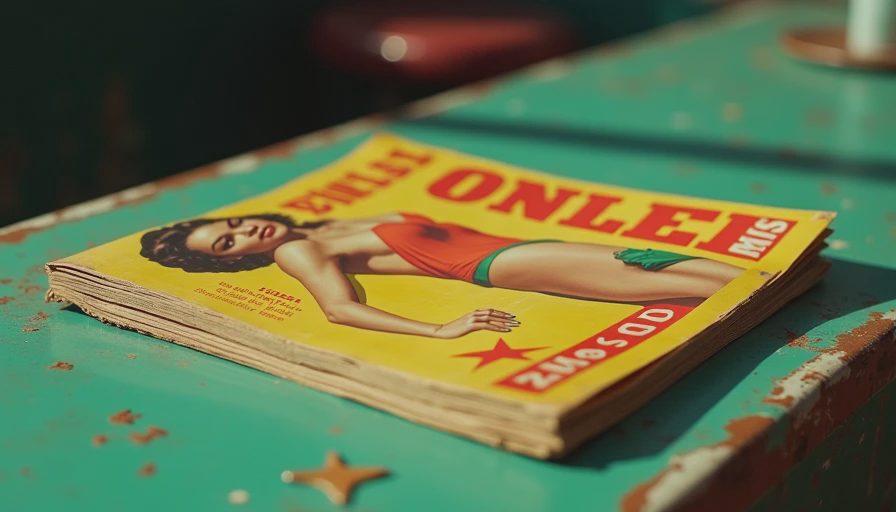
Representation deserves the same thought as sourcing. If you collect old posters, magazines, or photographs, learn what you can about their production and circulation. Do not assume that a flattering image makes every original context harmless. Reproduction quality also matters. A crisp reprint sold as a rare original is not a bargain; it is a category error. Ask about paper, printing method, dimensions, and provenance before paying a collector's price.
A practical thrift-store search plan
Begin with the fabric rack rather than the graphic tee rack. Check jackets, trousers, rayon shirts, scarves, and knitwear in that order. Read every label, including union labels and care tags, but use them as clues rather than proof. A vintage-looking brand can still have been produced recently, while an unexciting label may hide excellent construction. Inspect the zipper, buttons, hem, cuffs, and lining before trying anything on.
Set a budget before the hunt. In many American thrift stores, a workable shirt may cost $12 to $35, while a sound wool jacket can land between $45 and $150. Specialty dealers charge more because they have already done the cleaning, research, and sorting. That premium can be worthwhile when the measurements are exact and the condition is documented. Alterations might add $25 to $80 for basic work, so include that cost before calling a bargain a bargain.
Try three combinations in the dressing room: a fitted top with fuller trousers, a boxy jacket with a straight leg, and a simple base with one statement piece. Take notes on measurements, not just tagged sizes. Vintage sizing has drifted dramatically, and a labeled 40 from one decade will not necessarily fit like a modern 40. Your tape measure is more trustworthy than the number sewn into the collar.
The final word on asian pin up style
The best asian pin up interpretation is curious rather than literal. Study the image, question the context, and translate the useful parts into clothes you will actually wear. Start with one excellent jacket or shirt, build around its colors, and let tailoring do the quiet work. Vintage style should feel lived in, not rented for a photograph. Find the piece with a strong zipper, a believable history, and enough room for your own habits. Every stitch has a story; the pleasure is adding the next chapter without erasing the ones that came before.


No letters yet — be the first to write.