Fashion advertising in the 1920s did more than sell dresses, suits, hats, and shoes. It sold a picture of modern life. The decade's advertisements promised movement, confidence, leisure, and a cleaner break from the heavy silhouettes of the previous generation. Look closely at an old magazine page and you can see the wardrobe changing in real time: shorter hemlines, relaxed tailoring, sharper graphics, and clothes designed for a public life outside the home.
For anyone who enjoys vintage clothing, these advertisements are useful clues rather than dusty decoration. They show how garments were supposed to fit, what details manufacturers considered important, and which social ambitions a piece was meant to express. Every stitch has a story, but sometimes the story begins in an illustrated newspaper ad.
Why the 1920s Created a New Fashion Customer
The 1920s brought wider access to department stores, mail-order catalogs, ready-to-wear clothing, cosmetics, and mass-circulation magazines. A shopper no longer needed a dressmaker for every important garment. She could browse a catalog, visit a store, or recognize a brand from a carefully composed advertisement. Men saw a similar shift in suiting, footwear, hats, shirts, and sports clothing.
That change gave advertisers a much larger audience. Instead of speaking only to wealthy clients, campaigns addressed office workers, students, young couples, commuters, and people furnishing a new kind of social life. The language was often aspirational, but the clothing was increasingly practical. A wool jersey dress, a soft-collar shirt, or a two-button sack suit could be presented as both stylish and sensible.
Fashion advertising in the 1920s also benefited from the decade's expanding consumer credit culture. A person did not always need to pay the full price immediately, and installment buying made department-store merchandise feel more attainable. Advertisements connected a new garment with independence, romance, professional success, or an evening out dancing. The sale was emotional before it was practical.
Art Deco Graphics and the Look of Modernity
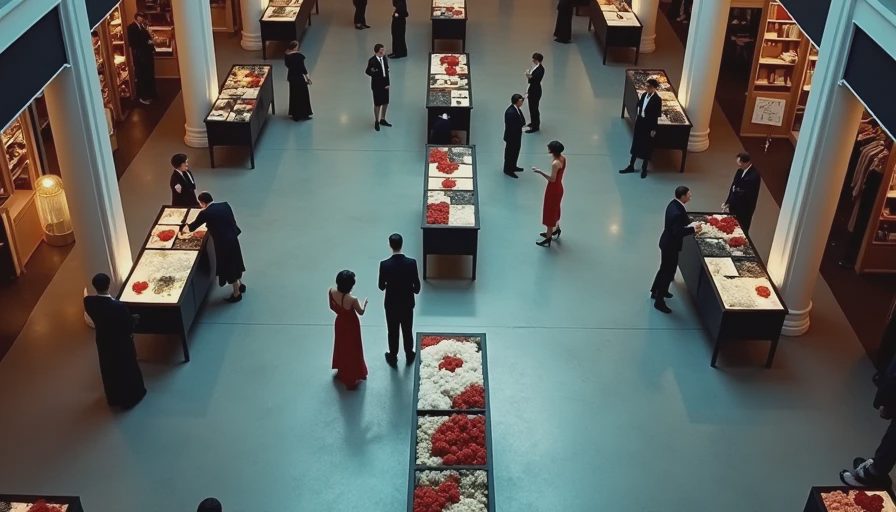
The visual language of fashion advertising in the 1920s was shaped by Art Deco. Designers used strong diagonals, geometric borders, stylized figures, metallic-looking details, and blocks of black, cream, gold, or deep red. Even when the product was a simple pair of stockings, the layout suggested speed and glamour.
Illustrators often elongated the body, lowered the waist, and simplified facial features into an elegant silhouette. This was not a technical drawing lesson. It was a fantasy of modern movement. A woman in a cloche hat appeared to stride forward; a man in a neatly pressed suit stood beside a motorcar or hotel entrance. The background told you what kind of life the garment belonged to.
Many advertisements also used white space more confidently than earlier Victorian layouts. A short headline and a single figure could make a brand look expensive. That restraint still feels familiar today. When I am dating an old garment, I pay attention to the visual world surrounding its original label. A sharply graphic ad often points toward the same streamlined taste found in the clothing itself.
Department Stores, Catalogs, and Brand Recognition
Stores such as Sears, Roebuck and Co., Montgomery Ward, Macy's, and regional department stores helped turn clothing into a national conversation. Their catalogs brought broad style categories into homes far from New York or Paris. A shopper could compare fabrics, collars, colors, and prices without entering a city store.
The advertisements did not always promote a single designer. Often they promoted a department, a textile, or a store's buying authority. Rayon, silk, wool, and cotton were described as answers to specific needs. A rayon garment might be presented as modern and easy to care for, while wool suggested warmth, durability, and respectable appearance. These details are valuable when examining surviving clothing because the marketing language explains why a material mattered.
Brand names began to carry more weight, especially in shoes, hats, hosiery, shirts, and men's tailoring. Arrow shirts, B.V.D. underwear, Stetson hats, and Florsheim shoes each developed recognizable identities through repeated advertising. The modern shopper was learning to look for a name, not merely a garment.
Celebrity, Cinema, and the Manufactured Ideal
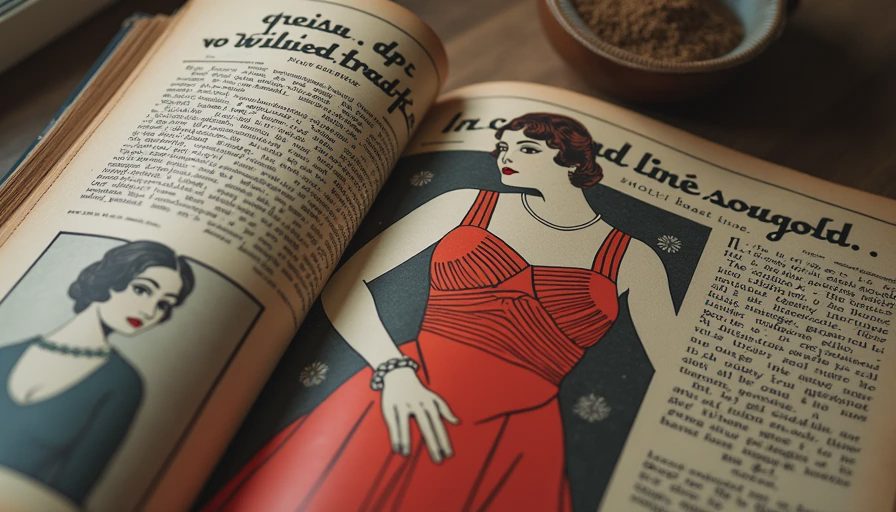
Fashion advertising in the 1920s increasingly borrowed the authority of entertainment. Film stars, dancers, athletes, and theater personalities gave ordinary clothing a little borrowed electricity. A lipstick, bobbed hairstyle, evening dress, or tailored coat could be linked to the confidence of a performer seen on the screen.
The relationship between film and fashion was not quite the celebrity endorsement system we know now, but the basic mechanism was already working. Audiences watched stars move through glamorous interiors and then encountered similar silhouettes in stores. Advertisers understood that a garment became more desirable when it was connected to a recognizable mood: sophistication, youth, independence, or romantic possibility.
This is one reason vintage photographs can be misleading. A dramatic pose does not always show everyday wear. Some 1920s illustrations exaggerated the dropped waist or slim shape for impact. When buying vintage, I compare the advertisement's fantasy with the garment's construction. Is the waist actually dropped, or is the effect created by a long sweater and a low belt? Does the jacket have period shoulder shaping, or is the image simply stylized?
What These Ads Reveal About Menswear
Menswear advertising received less theatrical treatment than womenswear, but it was hardly dull. Campaigns promoted the well-dressed man as efficient, self-controlled, and ready for a changing workplace. Suits were shown with broad but natural shoulders, high-waisted trousers, cuffed hems, and carefully arranged ties. The message was often that good clothing improved a man's prospects without making him look vain.
Sportswear also began appearing as a distinct category. Knitted sweaters, plus-fours, racquet clothing, canvas shoes, and lightweight coats connected clothing with golf, travel, college life, and outdoor recreation. A man could be advertised not only as a worker but as someone with leisure time and money to spend.
For today's vintage shopper, details matter more than the broad decade label. Check the rise of the trousers, the shape of the lapel, the type of button, and the way the lining is finished. A jacket sold as a 1920s-inspired reproduction is not the same as a garment made in the period. Union labels, stitching, and hardware can help, but the whole construction needs to agree.
How to Read a 1920s Fashion Advertisement Today
Start with the product, then read the surrounding promise. What problem is the ad solving? Is it offering comfort for commuting, elegance for an evening, or respectability for a new job? Next, study the silhouette. Note the waist position, sleeve width, hat proportions, skirt length, and relationship between jacket and trousers.
Then look for material language. Words such as “pure wool,” “mercerized cotton,” “silk,” or “rayon” were not random decoration. They helped shoppers understand value at a time when fabric knowledge mattered. Prices can also provide context, although they should not be converted directly into modern values without care. A lower-priced item may have been a collar, accessory, or partial garment rather than a complete outfit.
Finally, separate the advertisement from the reality of wear. Clothing shown perfectly pressed and dramatically posed may have looked much simpler on a crowded streetcar or a humid Southern afternoon. That gap is part of the fun. The best vintage wardrobe is not a costume recreation; it is a conversation between the original garment and the life you actually lead.
Fashion advertising in the 1920s made clothing feel like a ticket into the future. Its illustrations, slogans, fabrics, and celebrity associations helped shoppers imagine who they might become. Today, those same ads let us identify old pieces with more confidence and understand why a particular collar, zipper, or hemline exists. The history is not trapped behind glass. It is hanging on the rack, waiting for somebody to wear it again.


No letters yet — be the first to write.