There is a particular charge to vintage photography: a sharp collar, a cigarette trouser, a flash of bare shoulder, or a model looking directly into the lens as if they know something you do not. Searches for vintage photos sexy often begin with that mood, but the best images are not simply about showing more skin. They are about posture, clothing, lighting, and the small evidence of a real life around the outfit. Every stitch has a story, and every good photograph gives it room to speak.
When I am sorting through old magazine tears, department-store catalogs, or a box of family snapshots, I look first at the clothes. A 1950s gabardine jacket can make a person look composed without feeling stiff. A 1970s knit shirt can suggest confidence with one open button. The difference between suggestive and cheap is usually not the garment itself. It is styling, proportion, and whether the image trusts the viewer enough to leave something unsaid.
What Makes vintage photos sexy Feel Convincing
The strongest vintage photos sexy images use suggestion rather than spectacle. Think of a 1940s studio portrait with a softly rolled sleeve, a 1960s beach photograph with high-waisted shorts, or a 1970s editorial where the subject is leaning against a wood-paneled wall in a suede jacket. None of those details needs to shout. The clothing creates a line through the body, while the setting supplies the story.
Lighting does much of the work. Hard sunlight produces crisp shadows and makes cotton, denim, and linen look tactile. A single lamp in a dark room can turn satin or polished leather into the central character. Film grain helps, too, because it softens perfect edges. That is one reason old photographs often feel warmer than heavily edited digital images: they preserve texture instead of sanding it away.
The pose matters just as much. A relaxed hand in a pocket, a shoulder turned toward the camera, or a subject sitting slightly off-center can create more interest than an exaggerated pose. Look for photographs where the person appears comfortable in the clothing. Confidence reads better than performance.

Read the Clothes Before You Copy the Mood
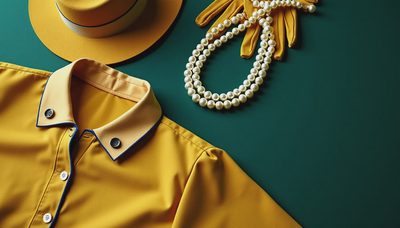
If you want to recreate vintage photos sexy style, begin with construction rather than costume. Check the fabric weight, seam finish, and hardware. A 1960s cotton shirt with a loop collar will sit differently from a modern reproduction, while a pair of 1940s trousers may have a higher rise and fuller leg than most mall offerings. Those details change the silhouette before you add any styling.
Look for dependable clues. Talon and Lightning zippers can help place a garment, though hardware alone is never proof of a date. Union labels, older care-label language, metal snaps, and natural-fiber fabrics give you a fuller picture. A Pendleton wool shirt, a Lee denim jacket, or a rayon camp shirt from the mid-century period should feel substantial in the hand. If a piece looks old but feels thin and plasticky, it may be a modern item with an artificially aged finish.
I once overpaid for a supposedly 1950s bowling shirt because the embroidery looked perfect under the shop lights. At home, I found a modern care label hidden in the side seam. The lesson cost me $85, but it remains useful: inspect the inside before falling for the photograph in your head.
Build the Look Without Wearing a Costume
The safest way to borrow the energy of vintage photos sexy references is to combine one period statement with otherwise simple clothing. Try a camp-collar shirt with straight-leg jeans, or a 1970s suede jacket over a plain white tee. A high-waisted trouser can work with a contemporary knit polo. You do not need a complete wardrobe from one decade, and you certainly do not need to look like you wandered off a movie set.
Color helps keep the outfit grounded. Tobacco brown, cream, faded navy, olive, and oxblood photograph beautifully because they have depth without looking overly coordinated. If the shirt has a loud print, let the trousers calm it down. If the jacket has broad 1940s shoulders, choose a quieter shoe. The eye needs somewhere to rest.
Fit is personal, not a gatekeeping exercise. A larger frame can look excellent in a drapey rayon shirt, just as a slim frame can carry a boxier work jacket. Ignore advice that treats one body type as the natural home of vintage. The useful question is whether the garment gives you room to move and creates a shape you enjoy seeing in the mirror.

Photographing Vintage Style With Good Taste
A vintage-inspired photograph does not require expensive equipment. My 1982 Pentax MX is wonderful, but a phone near a window can make a strong image if you pay attention to the background. Remove visual clutter, turn off the overhead light, and let one clear source illuminate the subject. A porch, hallway, or plain wall often works better than a crowded room.
For vintage photos sexy compositions, keep the frame intentional. Photograph a cuff, belt, collar, or hand holding a hat if the whole outfit feels too obvious. Try a seated pose, a reflection in an old mirror, or a three-quarter profile. These choices create atmosphere while keeping the subject in control of the image.
Avoid editing that changes the person into a plastic version of themselves. A little contrast and warmth can echo analog film, but excessive smoothing removes the character that made the photograph worth taking. The point is not to disguise modern life. It is to give modern clothing a little history and breathing room.
Finding References Without Falling Into the Algorithm
Searches for vintage photos sexy can lead quickly to repetitive images: the same pinup pose, the same red lipstick, the same distressed leather jacket. Go sideways instead. Study old mail-order catalogs, theater programs, estate-sale albums, and advertisements for workwear. Look at how people dressed for ordinary occasions, not just formal portraits or staged glamour.
Museums and library archives are useful because they show clothing in context. A 1930s resort outfit may include practical shoes and a cardigan. A 1960s evening look may be balanced by a simple coat worn on the way home. Those surrounding pieces are often more wearable than the headline garment.
When saving references, note the date, fabric, silhouette, and lighting separately. You may love the pose but dislike the outfit, or admire the color palette while rejecting the original styling. Breaking the image apart makes it easier to create something that feels like you rather than a direct copy.
A Practical Thrift-Shop Method
Bring a measuring tape and check shoulder width, chest, sleeve length, rise, and inseam before trusting the tag. Vintage sizing is inconsistent, and a labeled 40 from one decade can fit very differently from a modern 40. Try the garment over the layers you expect to wear. A jacket that works over a tee may fail over a sweater.
Inspect stress points: underarms, cuffs, crotch seams, pocket corners, and zipper tape. Small repairs are part of the pleasure, but a torn waistband or brittle elastic can turn a $30 find into a $120 project. Ask whether the fabric can tolerate cleaning before buying. Rayon can be delicate, and old leather may need conditioning rather than a soaking wash.
Then step back from the rack. Ask whether the piece works with three things already in your closet. If it does, you have found clothing with a future. If it only works with an imaginary outfit, leave it for the next curious person. The best vintage purchase is not the oldest or most dramatic one. It is the piece you reach for until the cuffs tell their own story.
Vintage photos sexy appeal ultimately comes from restraint, texture, and confidence. Start with a real garment, study how it was made, and let the setting do some of the talking. You can find that feeling in a flea-market jacket, a faded shirt, or a photograph made beside your own front door. Take your time, trust your eye, and remember: every stitch has a story.
No letters yet — be the first to write.