Walk into a good vintage shop and 1935 women's fashion announces itself before you read the label. The shoulders are neat but not severe, the waist is defined without being squeezed, and the skirt moves when the wearer walks. This was clothing made for real days: office hours, streetcars, dances, grocery errands, and Sunday visits. If you like garments with a little architecture and a lot of personality, this is an especially rewarding era to study. Every stitch has a story.
What defines 1935 women's fashion?
The year sits in the middle of the 1930s, after the loose, boyish lines of the previous decade and before wartime clothing restrictions changed what manufacturers could use. 1935 women's fashion favored a longer, more polished silhouette, with attention moving back toward the natural waist. Skirts generally fell below the knee, though exact lengths depended on the occasion, age of the wearer, and household budget.
Day dresses often had fitted bodices, modest necklines, and sleeves that gave the arm a little shape. A collar could be round, pointed, or sharply tailored. Evening clothing was more fluid, using bias-cut fabric to skim the body rather than stand away from it. The overall impression was elegant but not precious. Even a simple cotton dress could have a clever yoke, covered buttons, or a set-in waistband that made it memorable.
For modern eyes, the key difference is proportion. The outfit is not built around one oversized item. Instead, the shoulder, waist, skirt, and shoe work together as a vertical line. That balance is what makes the period recognizable, even when the garment has no surviving label.
Dresses, suits, and the 1935 silhouette
When I am sorting 1935 women's fashion at the shop, I start with the garment's shape before I worry about color. A day dress may have a narrow shoulder and a gently bloused bodice, then taper toward a fitted hip before opening into a soft skirt. Some dresses use princess seams, while others rely on darts at the bust and waist. Those construction details tell you more than a floral print ever will.
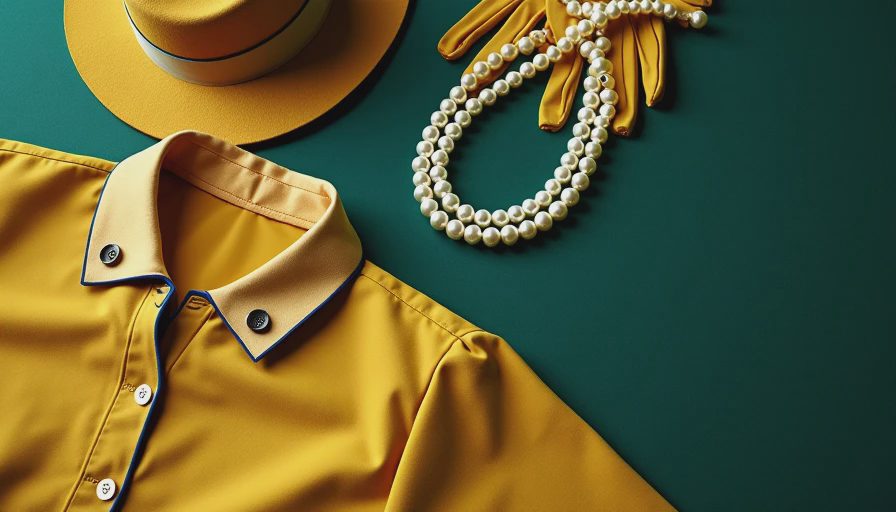
The skirt was often cut with enough fullness for walking but not enough to look bouncy. Pleats, gores, and godets could create movement without adding bulk at the waist. A classic 1930s suit paired a shaped jacket with a matching skirt, sometimes using contrast piping or a decorative pocket. Jackets were usually shorter than later 1940s styles, with a tidy waist and a lapel that framed the neckline.
A useful buying test is to fasten the garment and look at it from the side. If the waist is in the right place and the skirt hangs cleanly from the hip, alterations are usually manageable. If the shoulder seam sits several inches off your shoulder, the piece may become expensive to rescue. Good tailoring cannot turn every interesting mistake into a wearable suit.
Fabrics, prints, and small details
The best examples of 1935 women's fashion are often found in humble fabrics. Rayon crepe was popular for dresses because it draped beautifully and could imitate the movement of silk at a lower price. Cotton was practical for warm weather, while wool appeared in suits, skirts, and winter dresses. Silk still existed, especially for evening clothes, but it was not the only route to a polished look.
Prints from this period can be surprisingly bold. Look for small geometrics, abstract florals, painterly leaves, and conversation-style motifs arranged with more space than you would expect from a modern printed dress. Colors often include rust, dusty rose, forest green, navy, cream, and tobacco brown. Faded fabric is not automatically a flaw; uneven fading can show that a dress spent years near a sunny window, while clean color with brittle fibers suggests a different problem.
Hardware matters, too. Metal snaps, hook-and-eye closures, carved buttons, and side zippers can help date a garment. A zipper is not proof by itself, since older pieces were altered over time, but a sturdy metal Talon zipper combined with period construction is useful evidence. Check the seams, lining, hem, and underarm area before buying. A beautiful dress with shredded rayon under the arms is a display piece, not a dependable wardrobe piece.

How to identify an authentic 1935 piece
Dating 1935 women's fashion requires several clues rather than one magical label. The tag may say a department store name, a dressmaker's name, or nothing at all. Union labels can help, but label designs changed and reproductions exist. Treat the tag as one witness in a larger conversation.
Examine the stitching. Hand-finished hems, narrow seam allowances, metal snaps, and side closures are common clues in older clothing. A dress with a modern serger seam, plastic zipper, and synthetic lining is unlikely to be an untouched 1935 garment, even if the print looks convincing. That does not make it useless; a later reproduction can still deliver the silhouette without the fragility of an original.
Sizing is another trap. A vintage size 14 may measure closer to a modern small or medium, depending on the maker and the decade. Ignore the number and measure the actual bust, waist, hip, shoulder, and length. Leave room for movement in the upper back, especially with woven fabric. I once bought a gorgeous 1930s rayon dress because the print was perfect, then discovered I could not lift my arms without threatening the seams. The dress had a story. I simply was not the right next chapter.
Wearing 1935 women's fashion today
The easiest way to wear 1935 women's fashion without looking like a costume is to mix one period element with contemporary basics. A bias-cut dress can work with a plain cardigan and modern leather loafers. A 1930s suit jacket looks convincing over straight-leg denim, a simple T-shirt, or a fine-gauge knit. You do not need a matching hat, gloves, handbag, and curled hairstyle to make the clothes legible.
Accessories should support the line of the outfit. Small leather shoes, low heels, simple pumps, and narrow belts usually fit the period better than chunky athletic sneakers. A scarf tied at the neck can add color without overwhelming a delicate collar. For jewelry, try geometric earrings, a modest brooch, or a long pendant rather than piling on every vintage item in the drawer.
Modern comfort is allowed. Wear a supportive camisole under a fragile dress, replace a scratchy lining, or have a tailor add discreet pockets. The goal is not museum accuracy. It is to understand why the original proportions worked and then make them useful for your actual life. A garment earns its keep when you can walk, sit, work, and eat lunch in it.
Where to find good period-inspired pieces
Original 1935 women's fashion appears in estate sales, regional auctions, antique malls, and specialist vintage stores, but condition and price vary wildly. A wearable rayon dress might cost $100 to $300, while a rare silk evening piece, documented designer garment, or exceptional suit can run much higher. Do not pay a premium just because a seller calls something “1930s.” Ask for measurements, close-up photos, and details about repairs.
For a first purchase, choose a piece with forgiving construction: a skirt, jacket, or sturdy cotton dress is easier than a delicate bias-cut rayon gown. Search by details as well as date, using terms such as 1930s day dress, rayon crepe dress, or vintage tailored suit. In person, inspect the fabric in natural light and gently flex a seam. Never yank brittle material to test it.
The smartest wardrobe is built slowly. Buy the garment that fits your life, not just the one that looks dramatic on a hanger. 1935 women's fashion rewards patience because every good find teaches you something about fabric, proportion, and the people who wore it first. Start with one honest piece, wear it often, and let the rest of the story develop naturally.



No letters yet — be the first to write.