A pinup 1940s girl uniform is less about copying a poster and more about understanding the clothes that made wartime style so memorable: high-waisted trousers, practical cotton, a tidy blouse, sturdy shoes, and one well-placed flash of glamour. The aim is a lived-in outfit with a story, not a costume assembled five minutes before a themed party. Every stitch has a story, and the best ones still look convincing when you walk to the grocery store.
Start with the silhouette, not the stereotype
The strongest foundation is a clear waist and a clean, slightly structured line through the body. Look for trousers or jeans that sit at the natural waist, with a fuller hip and a straight or gently wide leg. Cuffs are useful because they give a practical pair of pants some visual weight. Wide-leg denim, gabardine slacks, and high-rise sailor trousers can all work beautifully.
A blouse should not be skin-tight. In original 1940s photographs, shirts often have room through the shoulder and torso, then tuck neatly into the waistband. Rayon crepe, cotton poplin, and rayon gabardine are good fabric references. A pointed collar, short sleeves, or a modest bow provides period character without requiring a novelty print. For a pinup 1940s girl uniform, proportion does more work than decoration.
The same principle applies to dresses. A shirtwaist dress with a nipped waist and an easy skirt can carry the entire look. Search for rayon, cotton, or linen rather than shiny polyester. A dress that moves naturally will feel more convincing than one covered in anchors, cherries, and cartoon sailor motifs.
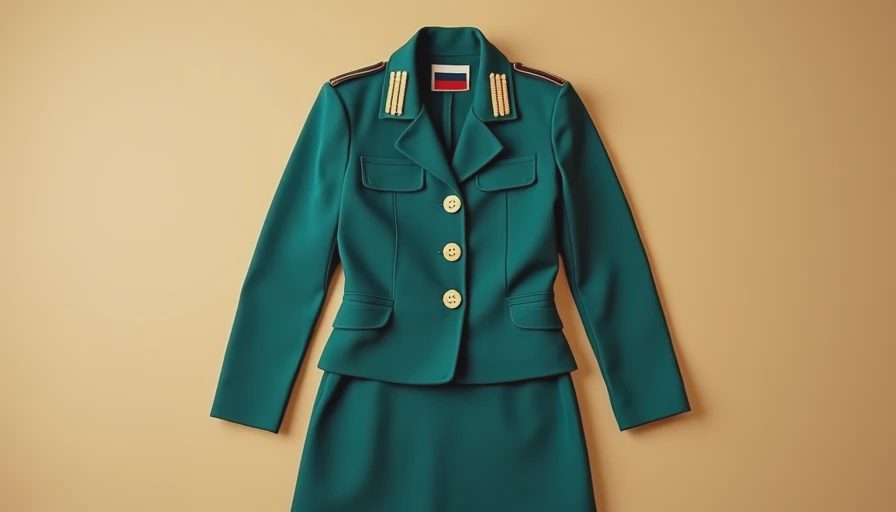
Finding the right pieces in a thrift store
When I am buying for the shop, I begin with the inside of a garment. A vintage zipper, metal snaps, bound seams, and a fabric content label tell me more than a printed label ever could. Talon and Lightning zippers are useful clues, although hardware alone cannot prove a date. Union labels, generous seam allowances, and hand-finished details also deserve a close look.
For modern thrifting, start with the men’s trousers section as well as women’s vintage racks. High-rise wool trousers and old work pants often have the right rise and drape for this style. A pair of 1940s-inspired trousers can cost $20 to $60 at a thrift shop, while verified vintage examples commonly run higher depending on condition, fabric, and sizing. Measure the actual waistband, rise, thigh, and inseam instead of trusting the tag. A 28-inch waist written in an old label may not measure 28 inches today.
The pinup 1940s girl uniform becomes more believable when every item has a practical reason to exist. A cotton work shirt, leather belt, cardigan, and canvas tote feel better than a head-to-toe reproduction set. If a garment has dry rot, brittle elastic, or stains that reach the lining, leave it behind. A bargain is not a bargain when the first wearing tears it apart.
Hair, shoes, and the small finishing details
You do not need victory rolls to make the outfit work. A simple scarf tied over the hair, a snood, or a neat side part can establish the era with much less effort. Scarves in cotton or rayon are inexpensive and forgiving; tie one at the crown, under the chin, or around a low ponytail. If you wear short hair, a defined wave or a clean side part is enough.
Shoes should look sturdy rather than theatrical. Brown leather oxfords, lace-up boots, low pumps, and simple Mary Janes all make sense. A two-inch heel is easier to walk in and usually looks more authentic than a tall modern platform. Look for leather soles, repaired uppers, and comfortable width. The best outfit in the world cannot rescue a shoe that makes you limp across the room.
Accessories work best in small doses. Try a narrow belt, a watch, a modest brooch, or a pair of gold-tone earrings. Red lipstick can be striking, but it is not a requirement. If you do choose a strong lip, keep the rest of the face uncomplicated. The pinup 1940s girl uniform should frame the wearer rather than swallow them.
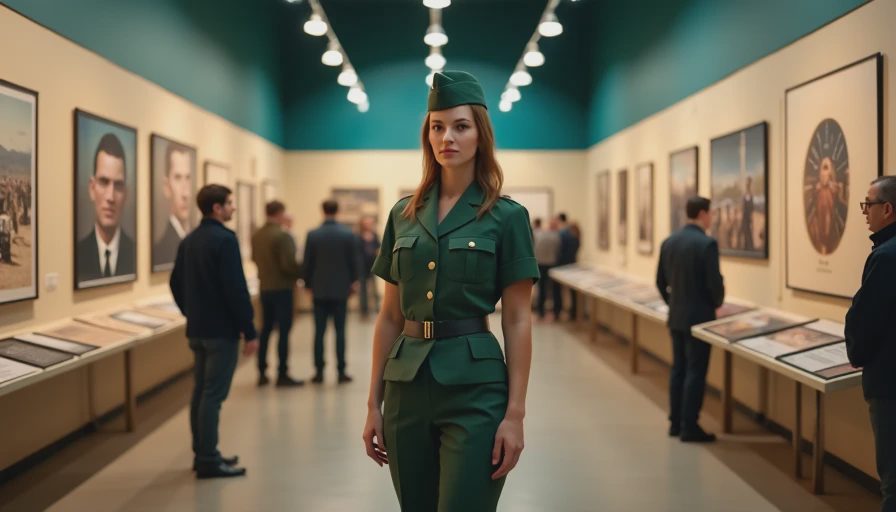
Building a version for everyday life
For a weekday interpretation, combine high-waisted navy trousers with an ivory knit polo, brown oxfords, and a narrow leather belt. For warmer weather, use a cotton camp shirt tucked into wide-leg denim and add a bandanna at the neck. In cooler months, a cardigan or cropped utility jacket supplies the right texture without turning the outfit into a reenactment.
A useful test is to remove one obvious period marker. If the scarf comes off and the clothes still look good, you have built an outfit rather than a costume. This is especially helpful for men and women who enjoy vintage style but do not want to dress in a full historical uniform. A 1940s silhouette can live comfortably beside modern denim, contemporary eyewear, or a plain sneaker.
Fit matters more than the number on the label. Someone with a fuller waist may prefer trousers with a deeper rise and side adjusters. Someone with a longer torso may need a blouse with extra length so it stays tucked. Tailoring a waistband or shortening a sleeve can cost $15 to $40 and often transforms an inexpensive thrift find. Vintage sizing is inconsistent, so the tape measure is your friend.
Common mistakes and better swaps
The first mistake is buying too many themed details at once. Nautical buttons, anchor prints, red bandannas, and victory rolls can compete for attention. Choose one focal point, then let solid colors and useful fabrics support it. Another mistake is assuming that “tight” means flattering or historically accurate. Many original garments have structure, but they also allow movement for work, travel, and ordinary errands.
A third mistake is ignoring fabric condition. Rayon can develop weak areas around seams, while old elastic may crumble when stretched. Hold a garment near a window, inspect the underarms, and gently flex the fabric. Do not tug hard on fragile material. For a pinup 1940s girl uniform, one sound vintage blouse is a better investment than three damaged pieces bought for their labels.
I also see people pair a period outfit with spotless modern accessories that break the mood. A glossy novelty handbag can make careful tailoring look like partywear. Try a small leather shoulder bag, a canvas satchel, or a simple clutch instead. The goal is coherence, not historical perfection.
A practical shopping checklist
Before buying, measure a pair of trousers that already fits and compare those numbers with the garment in front of you. Check the waistband closure, zipper, hem, crotch seam, and pocket bags. Look for enough fabric allowance to make small alterations. Ask whether the color works with at least three pieces already in your closet.
Then consider care. Cotton can often be washed carefully, but rayon and wool may need professional cleaning. A $35 blouse that requires repeated specialty cleaning may cost more to own than a $60 cotton alternative. Ask the seller about odors, repairs, and previous alterations. Honest information is worth paying for, and a good vintage dealer will not rush you.
Whether you build the pinup 1940s girl uniform from a flea-market find or a modern reproduction, give the clothes time to become yours. Wear the trousers with a plain T-shirt. Try the blouse under a work jacket. Let the scarf get a little soft from use. The magic is not in imitating a photograph exactly; it is in finding the sturdy, flattering pieces that still make sense in your own life. That is when every stitch starts telling your story.

No letters yet — be the first to write.