A good 1950s suit does not whisper vintage; it arrives with a firm shoulder, a clean trouser break, and the quiet confidence of somebody who knows where the best booth is. This 1950s mens suits style guide is for anyone digging through a thrift rack, browsing an estate sale, or trying to wear mid-century tailoring without looking like they are headed to a costume party. The goal is not perfect historical reenactment. It is understanding the clothes well enough to make them feel like yours.
The 1950s silhouette: broad up top, easy through the body
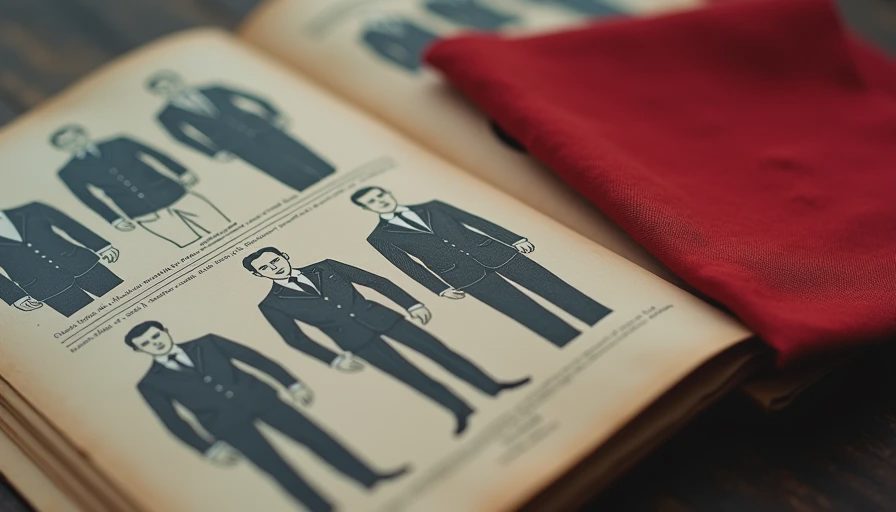
The first thing to notice is proportion. Early-1950s suits often have a generous jacket with padded shoulders, a fairly full chest, and a nipped waist. Lapels are substantial without always reaching the cartoon width associated with some later 1970s tailoring. The jacket usually falls below the seat, creating a long, balanced line over high-rise trousers.
Trousers sit at the natural waist or close to it, not low on the hips. They may have a single pleat, double pleats, or a flat front, depending on the maker and year. The leg is roomy but not sloppy, usually tapering gently toward the cuff. Cuffs were common on dress trousers, often around one and a half to two inches, though uncuffed examples are perfectly authentic.
When I am assessing a jacket, I look at the shoulder seam first. A slightly broad shoulder can be altered only so much, while a generous chest can often be shaped by a good tailor. The jacket should close without pulling across the buttons, and the collar should sit against the neck. A little extra cloth is useful; a jacket that is too small is usually an expensive lesson.
Fabrics and colors worth hunting
Wool dominates the period, and for good reason. A mid-century worsted wool suit can have a remarkably crisp surface, while flannel offers a softer, slightly brushed hand. Tropical-weight wool appears in warmer regions and is especially practical for a Southern wardrobe. Seersucker and lightweight cotton suits also turn up, but they belong more naturally to summer than to an all-season rotation.
Charcoal gray, medium gray, navy, and muted brown are the dependable colors. Do not ignore subtle patterns. Chalk stripes, windowpanes, birdseyes, and small checks can look surprisingly modern when the scale is restrained. A brown-and-cream glen check with a pale blue shirt has plenty of period character without announcing the decade from across the street.
Touch the cloth before studying the label. You are looking for resilience, not merely weight. Hold the trouser waistband and inspect the lining, seat, and crotch for thinning. A moth hole in the jacket sleeve is irritating; a fragile trouser seat can make the entire suit unwearable. Union labels, quality linings, and hand-finished details are clues, not guarantees.
Details that separate a real find from a costume
A 1950s jacket may have a single-breasted two-button front, a three-button configuration, or a double-breasted front with a lower button stance. Notched lapels are common, while peaked lapels add formality. Patch pockets feel sportier; flap pockets are more conventional. Some jackets include a center vent, but ventless backs are also period-correct, especially on dressier tailoring.
Look for metal or early plastic zippers from makers such as Talon, Conmar, or Crown in trousers and accessories. The zipper is not a date stamp by itself, but it helps establish the garment’s age alongside the label, stitching, and construction. Rayon or acetate jacket linings, hand-sewn buttonholes, and substantial interior canvassing are all encouraging signs.
Labels can tell a story. Department-store names such as Hart Schaffner & Marx, Hickey-Freeman, and Brooks Brothers appear on American vintage tailoring, while regional manufacturers produced plenty of excellent suits under less famous names. A union label inside the jacket can help place the garment within American manufacturing history. Still, never buy a label alone. A famous name with poor proportions is still a poor suit.
This is where a practical 1950s mens suits style guide earns its keep: period details should support the silhouette, not turn you into a walking display case. One distinctive detail is often enough.
How to shop for one without wasting your money
Start by measuring a jacket you already like. Record pit-to-pit width, shoulder width, sleeve length, back length, and button position. Vintage sizing is inconsistent, and a modern labeled 40 can differ dramatically from another modern labeled 40. Online sellers should provide actual measurements. If they do not, send a polite message before buying.
At a thrift store, check the jacket in this order: shoulders, chest, collar, lining, sleeve condition, and then trousers. Shoulder fit is the hardest alteration. Sleeves can often be shortened, a waist can frequently be adjusted, and trousers can sometimes be let out slightly if the tailor finds seam allowance. Major changes to the shoulders or jacket length can quickly cost $100 to $250, depending on the work and your location.
A complete matching suit deserves a premium, but do not reject separates. A gray 1950s jacket with dark navy trousers can look intentional, especially when the fabrics have enough contrast. I once paid too much for a complete pinstripe suit because the label made me excited; the trousers were two inches too short and the waistband had no usable allowance. The lesson was simple: romance is not a substitute for measurements.
Building a wearable outfit around the suit
Keep the shirt relatively simple. White, pale blue, cream, and restrained stripes work beautifully. A button-down collar can soften a formal suit, while a spread collar leans more dressy. Ties from the era often have a narrower profile than the exaggerated examples people associate with the decade, though knit ties and small geometric prints are excellent choices.
For shoes, try plain-toe derbies, cap-toe oxfords, loafers, or brown suede bucks when the rest of the outfit is relaxed. Black shoes sharpen gray or navy tailoring. Brown shoes bring warmth to brown, olive, and tan cloth. A brimmed hat is optional, not a requirement. The same goes for tie bars, pocket squares, and vintage cuff links. Wear one or two period references, then let the rest breathe.
The best way to use this 1950s mens suits style guide is to combine eras with intention. Wear the jacket with a modern knit polo. Pair high-rise vintage trousers with a plain oxford shirt and contemporary sneakers only if the proportions are clean. A vintage suit can live comfortably beside denim, workwear, and modern accessories.
Fit adjustments that make the difference
Tailoring should clarify the original shape rather than erase it. The jacket sleeve should show a small amount of shirt cuff, and the trouser hem should meet the shoe with a modest break. Avoid aggressively shortening the jacket or narrowing the trouser leg until the suit resembles modern slim tailoring. That destroys the balance that makes 1950s clothing appealing.
If you need a tailor, bring the shoes and shirt you plan to wear with the suit. Ask whether the jacket has enough seam allowance before approving alterations. Pressing can revive a tired garment, but heat and steam should be handled carefully on old linings and delicate fabrics. Cleaning is best left to a cleaner experienced with vintage clothing, particularly if the suit has a fragile lining or old stains.
A great mid-century suit does not need to fit like it did on its first owner. It needs to move comfortably, close cleanly, and make sense with your life now. Start with the silhouette, inspect every stitch, and resist the pressure to buy the first dramatic label you find. Every stitch has a story, and the best ones are stories you can keep wearing.




No letters yet — be the first to write.