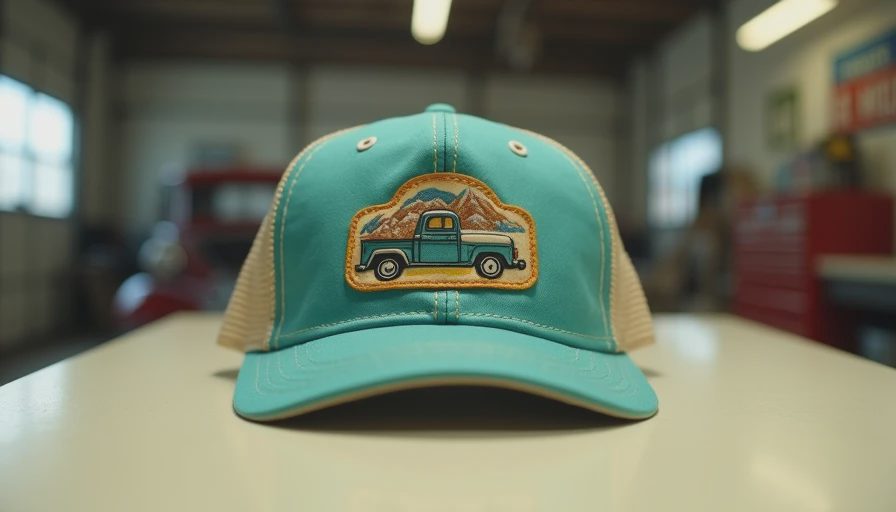
A Retro truck driver cap can do more for an outfit than a spotless baseball hat ever will. It brings a little road dust, regional advertising, and low-stakes mischief to jeans, chore coats, and worn-in workwear. The trick is finding one that feels like a discovered object rather than a costume prop. After years of sorting hats across flea markets and vintage racks, I look first at the story, then the construction, and only after that at the logo.
What makes a cap genuinely vintage?
The classic trucker shape appeared in several forms, but the familiar version has a structured foam front, a curved or flat-ish bill, and an open mesh back adjusted with snaps. In the 1970s and 1980s, feed stores, equipment dealers, farms, breweries, and regional businesses handed these hats out as practical advertising. A good one might promote a tractor dealership in Iowa, a seed company in Georgia, or a small-town auto shop that closed before the internet arrived.
Look closely at the front panel. Older foam often has a softer hand and slight surface cracking, especially around the printed design. The mesh may feel less glossy than modern polyester, and the plastic adjustment snaps can show yellowing or tiny stress marks. None of those details proves a date by itself, but together they create a convincing period impression. A paper or woven tag inside the sweatband is useful evidence. Names such as K-Products, Dunlap, Sportsman, and early versions of Otto turn up in vintage hunting, workwear, and promotional caps, though reproductions exist.
The graphic matters, too. A faded Caterpillar dealer logo, John Deere patch, Ford service emblem, or local racing sponsor usually has more character than a generic faux-vintage print. I once paid too much for a cap simply because the embroidery showed a beautifully drawn possum beside a county fair date. The hat was modern. The possum was still worth the mistake.
How to judge condition without ruining the charm
Wear is the reason to buy an old hat, but wear and damage are not the same thing. Sun fading across the crown can look excellent when the color breaks gradually from navy to blue-gray. Sweat marks, however, deserve a close inspection. Hold the hat near a window and check the underside of the bill, the front seam, and the area around the snaps. A little discoloration is honest history; brittle foam, flaking vinyl, or a sour odor that survives airing out is a different conversation.
Prices vary widely. At a flea market, a plain promotional cap may cost $8 to $20. A strong embroidered example from a recognizable business often lands around $25 to $60, while unusual advertising, regional sports history, or excellent deadstock condition can push higher. Do not let a seller call every mesh hat from the 1990s “rare.” Rarity needs a reason: a short-lived company, a difficult-to-find graphic, a documented event, or unusually good construction.
Cleaning should be gentle. Brush off dust with a soft clothes brush, then spot-clean the sweatband with diluted mild detergent and a damp cloth. Avoid the dishwasher, washing machine, and hot water. Foam can collapse, bills can warp, and old adhesive can loosen. Let the cap dry over a bowl or rolled towel so it keeps its shape.
Finding the right fit and proportion
A Retro truck driver cap should sit comfortably without squeezing your temples or floating above your head. Measure around your head where the hat will rest, then compare that measurement with the seller's listed range. Vintage snapbacks often offer more flexibility than fitted caps, but their adjustment tabs can be fragile. If you need the loosest setting, inspect whether the final snap still closes securely.
The crown shape changes the whole impression. A tall, rigid foam front creates the unmistakable highway-and-gas-station silhouette. A lower crown looks quieter and pairs more easily with an overshirt or denim jacket. People with longer hair may prefer a five-panel or lower-profile mesh style because the high crown can become visually busy. That is not a rule; it is simply a proportion worth noticing in the mirror.
A cap does not need to fit like it belonged to the original owner. Vintage sizing is inconsistent, and comfort beats historical purity. If the brim is too flat, steam it lightly and shape it by hand, but do not force an old bill into a dramatic curve. Cracked plastic and tired foam rarely improve under pressure.

Wearing it without looking like a costume
The easiest outfit starts with ordinary clothes: washed straight-leg denim, a plain pocket T-shirt, and an overshirt in canvas, chambray, or faded twill. Add the cap last. If the graphic is loud, keep the rest of the outfit calm. A cream T-shirt, olive fatigue pants, and an old leather belt give a bright advertising cap room to speak without turning you into a walking roadside display.
For a sharper approach, try dark jeans, a white Oxford shirt, and a lightweight chore coat. The hat supplies the relaxed note. This combination works because the cap is balanced by clean lines rather than competing vintage graphics. I also like one worn object per outfit: an old cap with new sneakers, or vintage denim with a plain modern beanie. When every piece is aggressively distressed, the result can feel assembled for a themed photograph.
Women who cross-shop menswear can use the same proportions with a boxy work jacket, wide-leg trousers, or a long denim skirt. The cap is not tied to one silhouette or gender. Let the brim frame the face, and choose the crown height that feels natural rather than chasing a prescribed look.
A practical buying checklist
Before paying, turn the cap inside out. Check the sweatband for a maker label, the stitching for loose threads, and the mesh for repairs. Look at the bill from the side: a slight wave is acceptable, but a severe twist usually means the plastic insert has warped. Test every snap once, gently. Ask where the seller found it and whether the embroidery is original or added later.
Then consider the graphic at arm's length. Would you still like it without the word “vintage” attached? Can you name three outfits that would support it? If the answer is yes, you have probably found a useful piece rather than a novelty purchase. For online listings, request measurements, close photographs of stains and labels, and a clear shot of the crown from above.
Every stitch has a story, even when the stitch is holding a foam front to a mesh back. The best cap is not necessarily the oldest or most expensive. It is the one with a believable history, sound construction, and enough room in your wardrobe to become part of your own. That is the real pleasure of a Retro truck driver cap: it arrives carrying somebody else's road, then slowly picks up yours.



No letters yet — be the first to write.