Walk into a good vintage shop and the first thing you learn is that types of fancy dresses are less about strict rules than they are about shape, fabric, and the occasion waiting at the other end of the zipper. A 1950s cotton party dress can feel more memorable than a brand-new gown, especially when the seams, buttons, and slightly imperfect handwork show you where it has been. Every stitch has a story.
Fancy does not have to mean formal, uncomfortable, or expensive. It can mean a silk dress with a little age in the weave, a velvet number that catches the light in an old theater, or a sharply cut cocktail dress found for $38 at a church rummage sale. The trick is learning what you are looking at before you try to style it.
Cocktail dresses with a shorter story
The cocktail dress is one of the most useful types of fancy dresses because it sits between everyday clothing and full evening wear. Usually ending around the knee or just below it, this silhouette became especially popular in the 1940s and 1950s. Look for a fitted waist, a modest neckline, and enough structure to hold its shape without making you feel like you are wearing upholstery.
Vintage cocktail dresses often appear in crepe, satin, rayon, brocade, or lightweight wool. A rayon crepe dress with a metal Talon zipper can have a beautiful drape, but inspect the underarms and hem for discoloration. Satin rewards careful handling but shows pulled threads quickly. A simple black sheath from the 1960s can work for a gallery opening, wedding reception, or dinner where jeans would feel too casual.
For styling, keep the accessories deliberate. A low heel, a compact handbag, and one good piece of jewelry usually do more than a crowded collection of sparkle. If the dress already has beading or an ornate collar, let it speak.
The evening gown, from old Hollywood to modern rooms
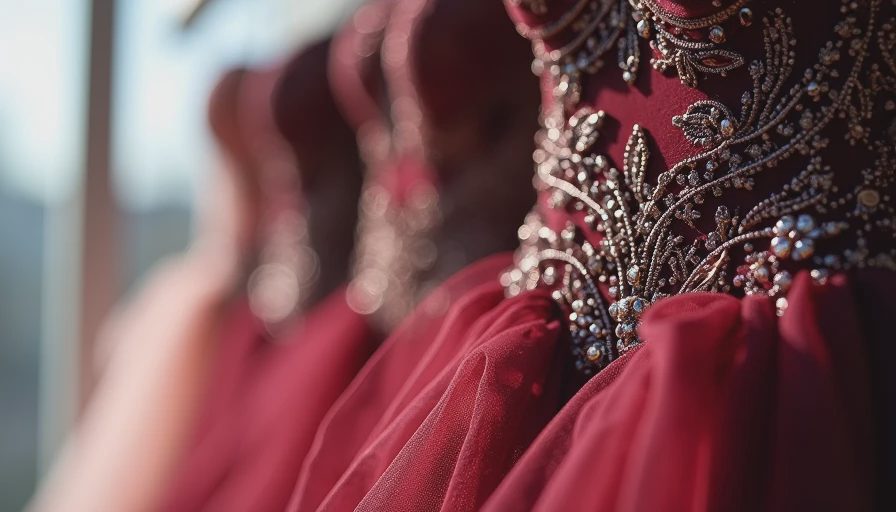
Among the more dramatic types of fancy dresses, the evening gown is the one that asks for a little ceremony. It may be floor length, cut from satin or velvet, and shaped with a long skirt that moves when you walk. Vintage examples from the 1930s and 1940s can be bias cut, meaning the fabric is cut diagonally across the grain so it follows the body in a fluid, almost liquid way.
Bias-cut gowns are beautiful but deserve a close inspection. Hold the garment by the shoulders and look for stretched seams, fragile silk, or repairs near the zipper. A gown can look perfect on a hanger and reveal a tired lining once it is worn. I once paid too much for a 1930s silk dress because the surface looked flawless; two careful fittings later, the lining gave up near the waist. A good lesson, and a costly one.
Velvet is generally more forgiving visually, though crushed areas can be permanent. If the pile changes direction, the dress may look lighter or darker in different rooms. That is part of the charm, provided the fabric is sound.
Tea dresses and romantic vintage prints
Tea dresses belong to the softer side of types of fancy dresses. They are often midi length, with a flowing skirt, floral print, gentle sleeves, and a neckline that feels polished without being severe. The name comes from informal afternoon dressing, but a well-cut tea dress can handle a daytime ceremony, garden party, or dinner with a change of shoes.
Search for rayon challis, silk, cotton voile, and lightweight crepe. Rayon challis has a soft hand and a lovely fall, although it can show water marks and should not be treated casually. Cotton is easier to live with and can be surprisingly elegant when the print is unusual. Look closely at the collar, cuffs, and waist seam, where years of wear tend to leave evidence.
The best tea dresses do not need to look precious. Wear one with a cropped jacket, sturdy leather shoes, or a vintage belt. That contrast keeps the outfit from drifting into costume territory. A dress with a 1940s floral print can look entirely current when the rest of the outfit is quiet.
Sequin, beaded, and party dresses
If you are sorting through types of fancy dresses for a holiday event or late-night celebration, sequin and beaded dresses offer the most immediate atmosphere. The period matters here. Dresses from the 1920s often use intricate beadwork and a looser column shape, while 1980s examples may bring strong shoulders, metallic fabric, and a shorter hem.
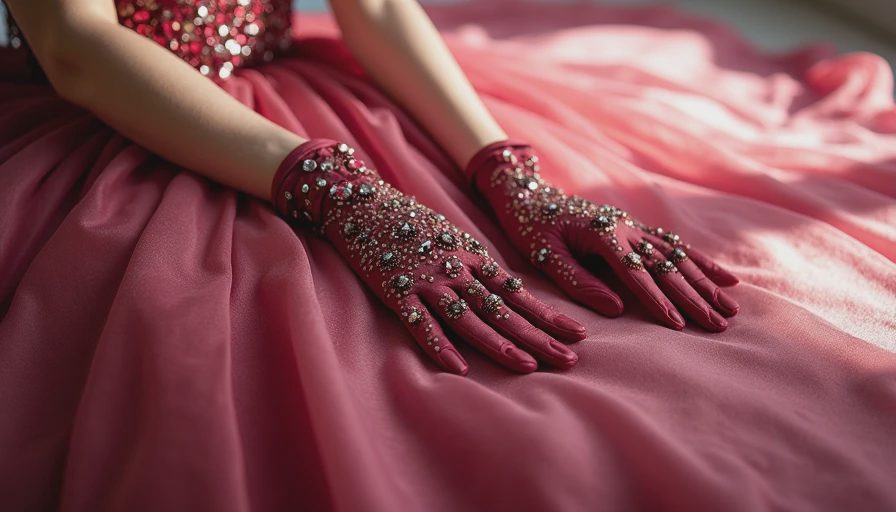
Check every embellishment before buying. Run a hand lightly over the surface to find missing beads, loose threads, or areas where sequins have scraped against a handbag. A little loss can be repaired, but extensive damage changes the price and the practical value. Look for a strong lining and a zipper that moves smoothly; glitter cannot rescue a dress that cannot get over your shoulders.
Keep the accessories restrained. A beaded dress, small earrings, and plain shoes can look composed. Adding a crystal bag, glitter heels, and a jeweled headband all at once usually turns a good vintage find into a theme outfit. Fancy clothing works best when it has room to breathe.
How to judge fabric, fit, and condition
Understanding types of fancy dresses is useful, but condition and fit decide whether a piece belongs in your closet. Start with the shoulders and bust because those areas are difficult to alter. A tailor can often adjust a waist, shorten a hem, or replace a zipper, but changing the shoulder line can become expensive quickly.
Bring a tape measure when you thrift. Measure pit to pit, waist, hip, shoulder width, and total length, then compare those numbers with a garment that fits you well. Vintage sizing is not modern sizing, and a tag marked 12 might fit closer to a contemporary 6 or 8. The tape tells the truth.
Inspect the label, seams, closures, and lining. Union labels can help place a garment in a broad era, while a metal zipper often suggests earlier construction than a plastic coil zipper. None of these clues is absolute, but together they create a useful picture. On a $25 dress, a missing hook may be a minor project. On a $250 silk gown, stains and brittle fabric should change the negotiation.
Choosing the right dress for the room
The final category among types of fancy dresses is really the occasion itself. For a cocktail reception, choose a shorter structured dress or refined sheath. For a formal evening, consider a floor-length gown, dark velvet, or elegant satin. For a daytime celebration, a tea dress in cotton or rayon can feel polished without looking overdressed.
Think about movement, temperature, and the practical details nobody photographs. Can you sit down? Can you lift your arms? Will the fabric survive a warm room? Is there a place for your phone? A beautiful dress that demands constant adjustment will spend most of the evening on a hanger.
When buying vintage online, ask for measurements, close photographs of the underarms and hem, and a clear description of flaws. Sellers who know their garments will mention repairs rather than hide them. In person, walk, sit, and turn toward a mirror. The right dress should give you a little confidence before you add a single accessory.
The best types of fancy dresses are not necessarily the rarest or most expensive. They are the ones with a strong silhouette, honest fabric, and enough life left for another chapter. Start with the event, inspect the construction, and choose the piece that makes you want to tell somebody where you found it. Every stitch has a story.

No letters yet — be the first to write.