Walk into a good thrift shop and the formalwear rack can feel like a small theater after closing time: satin catching the fluorescent light, velvet looking slightly mysterious, and one beaded dress waiting for somebody brave enough to take it home. Understanding fancy dresses types makes that rack much easier to read. Instead of chasing a vague idea of “dressy,” you can identify the silhouette, fabric, era, and occasion that make a piece worth wearing.
I have bought plenty of beautiful garments that looked perfect on the hanger and completely wrong in a mirror. One 1980s silk dress had a neckline like a folded paper airplane. I still paid too much for it. Every stitch has a story, but not every story needs to come home with you.
The main fancy dresses types to recognize
The evening gown is the most formal category, usually cut with a long hem and made from fabric such as silk, satin, velvet, or chiffon. Vintage evening gowns from the 1930s through the 1970s can be remarkably well constructed, with covered buttons, hand-finished hems, and sturdy interior seams. Look for a lining that moves independently from the outer fabric. That small detail often separates a thoughtful garment from a costume-like reproduction.
The cocktail dress is shorter, generally landing around the knee or mid-calf, and is easier to wear for weddings, gallery events, dinners, or holiday parties. Among fancy dresses types, the cocktail silhouette is the thrift-store workhorse. A black crepe dress from the 1960s can look sharp with low heels, while a jewel-toned 1980s version might need only simple earrings and a neat shoe to feel current.
The tea-length dress sits between cocktail and full-length formalwear. Its hem often falls several inches below the knee, creating a graceful, slightly old-fashioned line. Tea-length dresses are especially useful when you want ceremony without looking as if you are headed to an awards show. Pair one with a cropped jacket or a plain cardigan and let the skirt carry the visual weight.
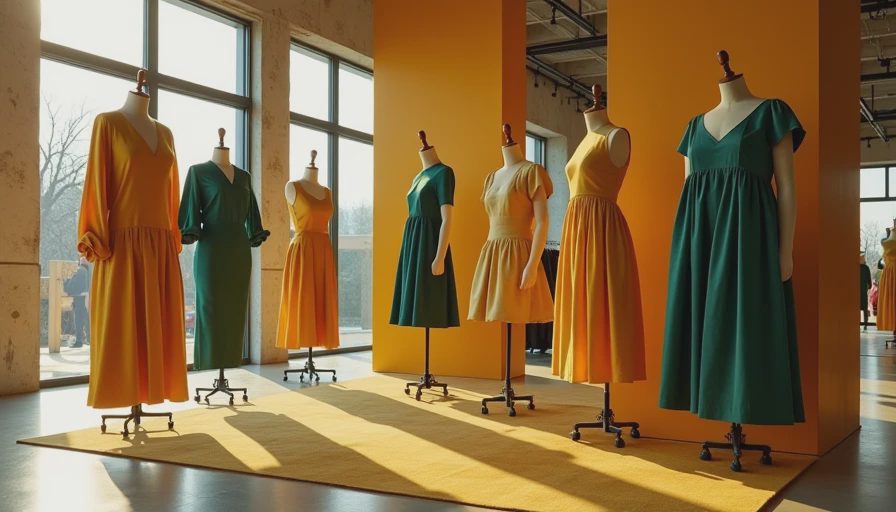
Fancy dresses types by silhouette
A fit-and-flare dress is fitted through the bodice and opens into a fuller skirt. This shape appears throughout the 1940s, 1950s, and later revival periods, but the details tell you the decade. A nipped waist, metal side zipper, and substantial rayon crepe can suggest an earlier piece. A plastic zipper, exaggerated shoulder, and dramatic sleeve may point toward the 1980s.
The sheath dress follows the body in a straighter line without a dramatically full skirt. It became a strong formal option in the 1960s and remains one of the easiest silhouettes to style. The key is movement: sit down, walk, and lift your arms before buying. A sheath that restricts your stride will not become more comfortable simply because the fabric is gorgeous.
The empire-waist dress gathers below the bust and falls away from the torso. This shape appears in everything from Regency-inspired vintage pieces to 1970s chiffon dresses. It can be wonderfully comfortable and forgiving, but inspect the seam beneath the bust carefully. Elastic or narrow stitching can deteriorate even when the outside looks pristine.
The column dress is long, narrow, and visually clean. It may be cut from jersey, beaded fabric, satin, or lightweight wool. Of all the fancy dresses types, the column shape benefits most from excellent fit. A shoulder seam sitting too far out or a hem dragging on the floor can make an otherwise elegant dress look borrowed.
How fabric changes the mood
Fabric is where fancy dresses types start to reveal their personality. Velvet absorbs light and gives a winter event genuine depth. Satin reflects light and shows every wrinkle, so check it under several angles before deciding. Chiffon creates movement but can hide small tears near the underarm or waist. Lace deserves a close inspection because old repairs may be nearly invisible until the garment is stretched.
Rayon crepe is one of my favorite vintage finds. It has a soft drape, a matte surface, and enough weight to create a lovely line. Rayon can also shrink or become weak after poor cleaning, so examine the fabric for brittle patches. Silk is beautiful but not automatically better; perspiration marks, water stains, and shattered fibers can make restoration expensive.
For beaded dresses, turn the garment inside out. Check whether the beadwork is attached to a stable backing and whether loose threads are collecting near the hem. Missing beads are often repairable, but a collapsing foundation is a much larger project. A dress priced at $25 can become a $150 project after cleaning and beadwork.
Building an outfit around a vintage formal dress
Once you understand fancy dresses types, styling becomes less about matching every detail and more about controlling contrast. A heavily beaded dress usually needs quiet shoes and restrained jewelry. A simple crepe sheath can welcome a sculptural brooch, a silk scarf, or a handsome vintage belt.
Shoes should respect the era without turning the outfit into a costume. Mary Janes can support a 1930s or 1940s-inspired dress, while a plain leather pump works across several decades. For a modern edge, try a clean ankle boot with a shorter velvet dress. The trick is repetition: echo one color or texture, then let the rest stay calm.
A tuxedo jacket over a formal dress is one of my favorite combinations, particularly when the dress has delicate straps or a low neckline. Look for a jacket with real structure rather than limp synthetic fabric. A vintage wool blazer from a maker such as Pendleton can bring warmth and contrast to satin or chiffon without competing for attention.
Shopping and checking the fit
When sorting through fancy dresses types at a thrift shop, start with the shoulders and bust because those areas are the hardest to alter. A hem can be raised, a waist can sometimes be adjusted, and straps can be shortened. Shoulders that are too wide or a bodice that is too small usually require more specialized work.
Measure the garment flat and compare those numbers with a dress you already own. Do not rely on the tagged size. A vintage size 12 may fit more like a modern 6, while an oversized 1980s dress could have generous shoulders but a narrow waist. Check the zipper brand, too. Metal Talon, Lightning, and early Scovill zippers can offer useful era clues, although hardware alone does not prove a date.
Inspect the underarms, neckline, hem, and lining. These receive the most wear and can expose old repairs. Smell the garment in a well-ventilated area rather than assuming dry cleaning will solve everything. Some stains lift beautifully; others have permanently changed the fiber. Price that reality into your decision.
Choosing the right type for the occasion
For a formal wedding, an evening gown or refined tea-length dress works when the fabric and finish feel intentional. For a cocktail party, a shorter crepe, velvet, or silk dress gives you more freedom to move. A gallery opening or dinner allows greater personality, so an unusual print, strong sleeve, or 1970s wrap silhouette can be exactly right.
Fancy dresses types are not strict rules, and thrifted clothing rarely arrives with a perfect instruction manual. The best choice is the garment that suits the event, fits your actual life, and lets you move without fussing every five minutes. A $40 dress worn repeatedly is a better find than a pristine $300 gown that lives in the closet.
Before buying, ask three practical questions: Can the fabric be cleaned safely? Can the fit be adjusted without damaging the design? Will I reach for it again next season? If the answers line up, you may have found a piece with staying power. Every stitch has a story, and the good ones keep getting better once they are worn.

No letters yet — be the first to write.