An all that jazz velvet dress has the sort of presence that makes a crowded thrift-store rack worth digging through. The name suggests eveningwear with movement: rich pile, a little shine, and enough attitude to avoid looking like a plain black cocktail dress. Whether you found one at a flea market, inherited it from a relative, or spotted the phrase in an online listing, the important questions are practical ones. What is the fabric? How should it fit? Can you wear it without looking like you are headed to a costume party? Every stitch has a story, and this one is usually a good one.
What the name tells you about the garment
“All That Jazz” can refer to a label, a style name, or a seller’s description, so do not treat the phrase as proof of a particular decade or designer. Vintage listings often borrow romantic names for garments that have no connection to a formal brand. Read the sewn-in label, inspect the care tag, and photograph the inside construction before deciding what you have.
Velvet itself is more useful evidence. Cotton velvet tends to feel dense and matte, while rayon or acetate velvet often has a fluid drape and stronger light reflection. Polyester velvet is common in later formalwear and can still be beautifully made, especially when the pile is even and the seams are clean. A lined bodice, metal zipper, generous seam allowance, and securely attached hooks tell you more about quality than a theatrical name on the tag.
Check the neckline, sleeve shape, hem, and closure. A low back or narrow shoulder may point toward a particular era, but those details can also be modern revisions of older ideas. If the label is missing, call it what it is: a lovely velvet dress with clues, not a guaranteed museum piece.

How an all that jazz velvet dress should fit
Velvet is not forgiving when the fit is wrong. Tight areas show immediately because the pile changes direction across the strain point, creating pale streaks or crushed patches. Start with the shoulders and bust, then consider the waist and hips. A dress that fits comfortably through the upper body can often be altered at the side seams, while a garment that is too small across the bust is a much harder rescue.
Measure the garment flat and double the numbers for the bust, waist, and hip. Compare those measurements with a dress you already like, rather than trusting a vintage size label. A marked size 10 from the 1970s can fit very differently from a contemporary size 10. Leave enough room to sit, raise your arms, and breathe without pulling the velvet against the zipper.
Length is personal. A knee-length hem can feel sharp with slingback shoes, while a midi version looks excellent with a low boot and a cropped jacket. If you love the dress but dislike the hem, alteration is usually possible when the original hem allowance is generous. Do not shorten it before checking the proportions in a full-length mirror.
Styling the dress without making it feel like a costume
The easiest way to wear an all that jazz velvet dress is to give it one modern counterweight. Try simple leather loafers, plain ankle boots, or clean low-profile sneakers for a daytime interpretation. For evening, pointed flats or a modest heel let the fabric carry the attention without piling on more decoration.
A denim jacket changes the mood completely. So does a boxy wool blazer in charcoal, camel, or navy. Avoid matching velvet accessories unless you are intentionally dressing for a theatrical event; velvet shoes, velvet gloves, and a velvet handbag together can quickly become too much of a good thing. A small metal watch, simple hoop earrings, or a narrow leather belt gives the outfit somewhere for the eye to rest.
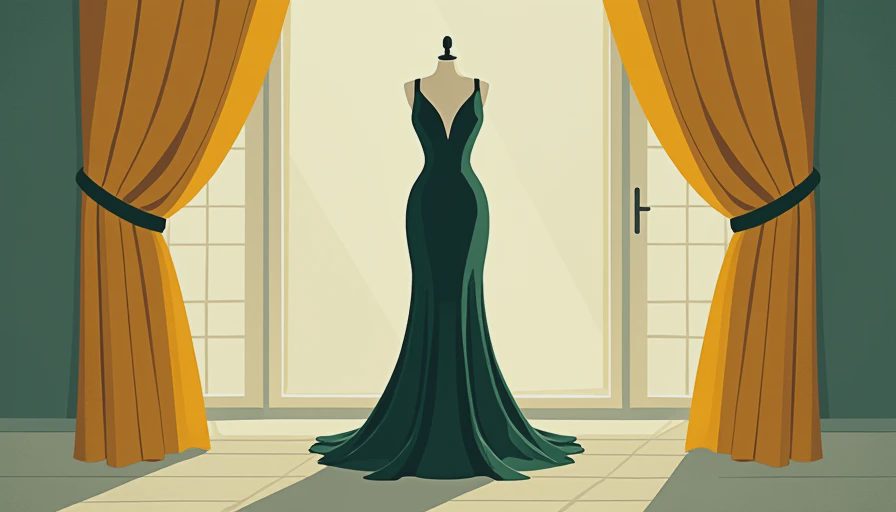
Color matters as much as silhouette. Black velvet feels formal and graphic, while bottle green, burgundy, chocolate, and midnight blue bring out the fabric’s depth. In the South, where outdoor gatherings can remain warm well into the evening, an unlined or lightly lined style may be more comfortable than a heavy fully lined version. Let the weather decide the layering, not a rigid idea of how vintage clothing must be worn.
How to inspect one at a thrift store
Take the garment to a bright window or use your phone’s flashlight. Look for bald spots along the elbows, seat, neckline, and underarms. These areas receive the most friction, and damage can be hard to see under dim store lighting. Run your hand over the pile in both directions. A healthy surface changes shade but feels consistent; crushed velvet feels flattened, brittle, or uneven.
Test the zipper gently without forcing it. A metal Talon or Scovill zipper can be a useful period clue, but a branded zipper is not automatically superior to a well-made modern one. Check that the slider moves smoothly and that the teeth are not separating. Examine the lining for perspiration marks, loose stitching, and repairs. Small hand-sewn fixes are normal in an older garment; a strong odor, widespread staining, or brittle fabric is a different matter.
Look inside the hem and seams for extra fabric. Two inches of usable allowance can make a tailor’s job straightforward. No allowance means the dress will need to be worn close to its current dimensions. If the price is $18 to $35 and the problems are cosmetic, it may be a smart buy. A $90 piece needing zipper replacement, lining work, and extensive cleaning is no longer an impulse thrift find.
Cleaning and storing velvet safely
Do not put an all that jazz velvet dress straight into a hot dryer. Heat can distort the pile, shrink some fibers, and set stains permanently. Read the care label first. If the label recommends dry cleaning, use a cleaner who regularly handles formalwear and explain that the garment is velvet. Ask about spot treatment before authorizing a full process.
For light dust, use a soft clothes brush in the direction of the pile. Avoid vigorous rubbing, adhesive lint rollers, and household steamers pressed against the surface. If steaming is appropriate, keep the steamer several inches away and test an interior hem first. Let the dress dry completely before hanging it.
Store velvet on a broad padded hanger, never a thin wire hanger that can leave shoulder marks. Cover it with a breathable cotton garment bag rather than plastic. Fold heavily embellished or very heavy velvet pieces between clean sheets so the hanger does not stretch the shoulders. Keep the garment away from direct sunlight, which can fade dark colors unevenly.
Finding the right one online and in person
Search using several descriptions because sellers do not always use the same vocabulary. Try “velvet formal dress,” “vintage evening dress,” “rayon velvet midi,” and “black velvet cocktail dress” alongside the exact phrase all that jazz velvet dress. Ask for measurements, fiber content, photos of the label, and close-ups of the underarms, hem, and zipper. A seller who answers clearly is usually easier to work with than one who relies on a single glamorous photograph.
For an in-person hunt, start with the formalwear section, then check dresses that have been misplaced on blouses or skirts. Velvet often hides its best details until you turn the garment inside out. Bring a flexible tape measure and wear a thin base layer if you expect to try on several pieces.
The best purchase is not necessarily the oldest or most expensive. It is the dress with a strong silhouette, sound fabric, and enough room for your actual life. Wear it to dinner, a gallery opening, or a winter party with your own shoes and a little patience. An all that jazz velvet dress does not need to perform every minute; it only needs to make getting dressed feel more interesting.



No letters yet — be the first to write.