If you enjoy the thrill of a good flea-market dig, vintage womens watches worth money can be some of the most satisfying pieces to find. They are small, wearable, and often overlooked by sellers who know handbags and jewelry better than horology. A dusty watch tucked into a glass case might be a $40 curiosity, or it might be a Cartier, Omega, Rolex, or Jaeger-LeCoultre waiting for someone patient enough to read the dial.
The trick is not simply finding an old watch. Age alone does not create value. Brand, model, originality, condition, service history, and current demand all matter. I have seen a beautiful gold-tone watch sit untouched for weeks while a scratched steel Seiko vanished in ten minutes. Every stitch has a story, and every watch has a paper trail if you know where to look.
What makes vintage womens watches worth money
The strongest candidates usually come from a respected Swiss, American, or Japanese maker. Cartier Tank, Omega De Ville, Rolex Oyster Perpetual, Patek Philippe, Jaeger-LeCoultre Reverso, Longines, Universal Geneve, and early Seiko models can all attract collectors. That does not mean every example is valuable. A common fashion watch with a famous name on the dial can still sell for less than $100, while a scarce reference from the same brand can bring several thousand dollars.
Case material is an immediate clue. Solid gold cases are generally more desirable than gold plating, although the gold content and total weight matter. Look for hallmarks inside the case back or near the lugs, such as 14K, 18K, 750, or Swiss assay marks. Sterling silver cases can also be collectible, especially when paired with an unusual Art Deco design. Stainless steel is not a consolation prize; many serious collectors prefer it because it wears honestly and survives daily use.
The movement tells another part of the story. A mechanical movement with clean jewel settings, a signed rotor, or a maker-specific finish can add interest. Quartz watches from the 1970s and 1980s are often undervalued, particularly early Omega Constellation or Seiko models. Ask whether the hands, crown, crystal, and bracelet are original. Replacements do not automatically ruin a watch, but originality usually supports a better price.
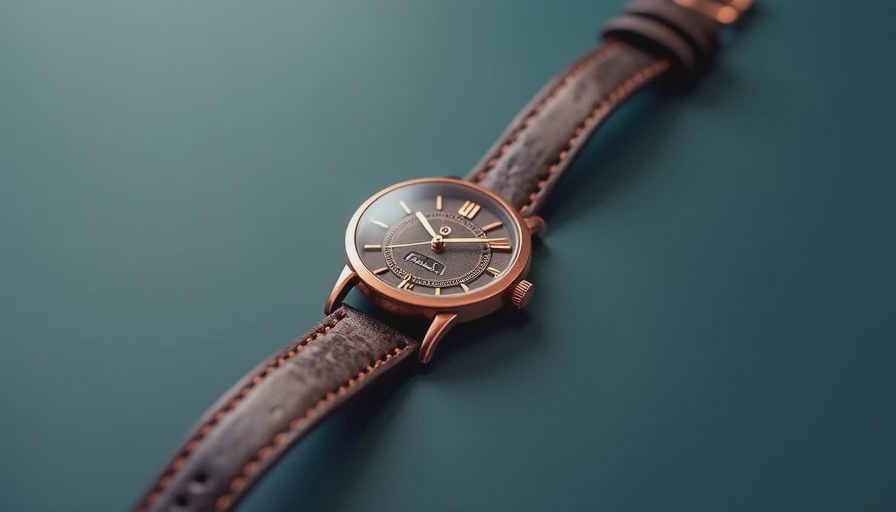
How to inspect a watch before buying
Start with the dial, because refinished dials are common and can change value dramatically. A genuine aged dial may show even patina, slight fading, or tiny spots consistent with its age. A badly repainted dial often has thick lettering, uneven minute markers, or a logo that looks too bright. Bring a small loupe if you shop regularly. Ten-power magnification is useful, but even a phone camera can reveal sloppy printing.
Next, inspect the case edges and lugs. Sharp, crisp edges suggest limited polishing. Rounded corners and missing engraving may indicate years of aggressive refinishing. Open the case only if the seller permits it and you know how to avoid damaging the gasket or back. Inside, look for a caliber number, reference number, serial number, and movement signature. Photograph those details before spending serious money.
Test the crown gently. It should turn smoothly without grinding, wobbling, or feeling completely loose. Set the time and observe whether the hands move cleanly. A watch that runs at a flea market is not necessarily ready for daily wear; it might be losing several minutes per hour. A basic mechanical service can cost roughly $150 to $500, while complicated chronographs and vintage luxury pieces can require $700 or more.
Brands and models collectors actually notice
Cartier Tank watches remain a recognizable entry point because the shape is distinctive and the market understands it. Small cases can be appealing, particularly from earlier decades, but confirm the reference and movement before trusting a seller’s description. Omega’s De Ville and Constellation lines offer a wider range of prices, often from a few hundred dollars for tired examples to several thousand for scarce, well-preserved versions.
Rolex is easier to recognize but harder to authenticate. A ladies’ Oyster Perpetual with an original bracelet, crisp case, and documented service can command a strong price. The same watch with a replacement dial, stretched bracelet, and polished case may still be enjoyable, but collectors will price it differently. Jaeger-LeCoultre, Vacheron Constantin, and Patek Philippe sit in a higher category, where a missing buckle or incorrect crown can represent a meaningful loss.
Do not skip Longines, Bulova, Hamilton, Elgin, Tissot, Citizen, and Seiko. These brands made excellent watches in large numbers, yet specific references, unusual dials, and limited production runs can create real demand. Early Seiko automatic models are especially fun to research because a modest purchase can become a serious collector piece when the reference, dial, and movement match.
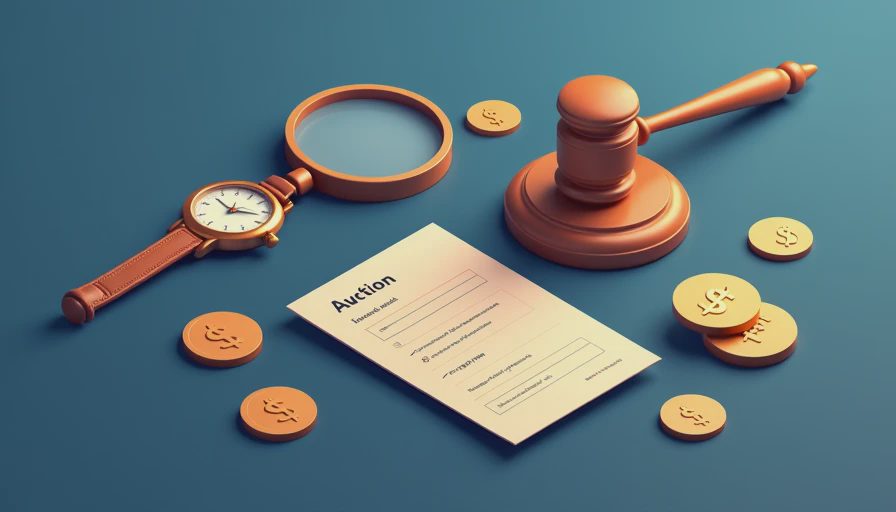
How condition changes the price
Condition is not the same as newness. Collectors often prefer honest wear over a watch polished until every edge is soft. A few scratches on the case may be acceptable if the dial is original and the movement is healthy. Water damage, corrosion, cracked crystals, missing markers, and severe bracelet stretch are more serious concerns.
A working watch with no service records should be priced as unserviced. That distinction matters when comparing vintage womens watches worth money with listings that claim “runs great.” Ask for a timekeeping reading, recent service receipt, and clear photos of the case back. If the seller cannot answer basic questions, negotiate as though you will need a full service immediately.
Box and papers help, but they do not rescue a heavily altered watch. Original receipts, warranty cards, branded buckles, and period bracelets can raise confidence and sometimes add a premium. Still, a clean, authentic watch without accessories is usually a better buy than a questionable watch surrounded by impressive packaging.
Where to shop and how to avoid costly mistakes
Estate sales, antique malls, watch fairs, and reputable vintage dealers are good places to begin. Online marketplaces offer more selection, but read the seller’s feedback and examine every photograph. Search completed sales rather than asking prices. A listing at $2,400 does not prove anyone will pay $2,400; several completed sales near $1,600 tell you much more.
Use a reference number to compare like with like. Case size, dial color, movement, bracelet, and production period can change the result. Never send a deposit to an unknown seller through an unprotected payment method. For an expensive purchase, authentication by an independent watchmaker is money well spent. A $100 inspection is easier to absorb than discovering a swapped movement after buying a $2,000 watch.
A practical buying plan for beginners
Set a total budget that includes service, shipping, sales tax, and one unexpected repair. With $300, look at vintage Seiko, Bulova, Timex Marlin, or smaller Longines pieces rather than chasing a distressed luxury name. With $1,000, you can explore clean Omega, Hamilton, or Universal Geneve examples, though patience matters. Above $3,000, authentication becomes essential because the cost of a mistake rises quickly.
Before buying, write down the brand, reference, case material, movement, dimensions, condition issues, and asking price. Compare that record with at least three completed sales. Then decide whether you love the watch even if its resale value never improves. The best vintage womens watches worth money are not just speculative objects; they are pieces you can wear, maintain, and enjoy while the market does whatever it does next.
That is where the hobby gets good. You learn to recognize a signed crown, a correct bracelet, and the difference between graceful patina and neglect. You also learn that a watch does not need to be enormous or flashy to have presence. Find one with a believable history, buy it at a sensible number, and let it earn new scratches on your wrist.



No letters yet — be the first to write.