There is a particular pleasure in finding retro polo shirts men can wear today without looking as though they wandered out of a themed party. You know the shirt: a substantial knit, a collar with some backbone, maybe a two-button placket and a color combination that would never survive a modern trend meeting. On the right person, it looks effortless. On the wrong hanger, it can look like a golf uniform from a parallel universe.
The difference usually comes down to fabric, proportion, and restraint. Vintage polo shirts were made in more shapes than the slim cotton piques stacked in today’s department stores. Some were cut close through the chest, while others had a generous, almost camp-shirt ease. A good one gives you character before you add anything else.
What Makes a Polo Truly Retro?
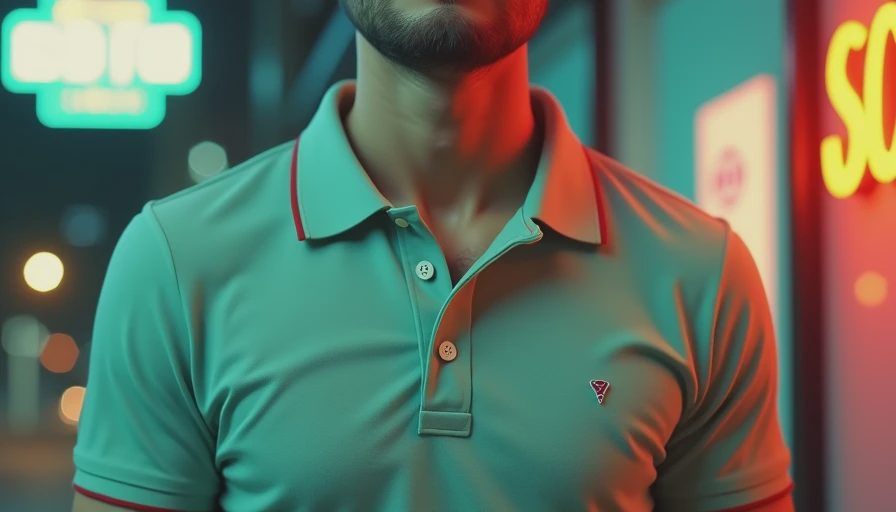
“Retro” is a broad word, and sellers use it for anything with a contrast collar. At the rack, I look for construction details before I look at the label. A vintage knit polo often has a softer shoulder line, a slightly longer sleeve, and a collar made from the same knit as the body. The fabric can be cotton, wool, rayon, acrylic, or a blend. Rayon-heavy examples from the 1950s and early 1960s have a fluid drape and a faint sheen; they feel closer to a bowling shirt than a modern golf polo.
The 1960s and 1970s brought bold stripes, open collars, and color combinations like rust with cream or avocado with tobacco brown. By the 1980s, manufacturers leaned into bigger shoulders, brighter colors, and cotton blends that could survive a hot wash. Labels from brands such as Arrow, Pendleton, Jantzen, and McGregor can be useful clues, but a famous name does not automatically make a garment good. I have overpaid for a McGregor polo with a tired collar because the label made me sentimental. The collar did not share my feelings.
Check the seams, too. A cleanly finished hem, secure buttons, and even knit tension are better signs than a dramatic tag. Metal zippers from Talon or Scovill can help date a related zip-neck shirt, but a polo does not need hardware to be worth owning. Every stitch has a story, and some stories are simply about a well-made everyday garment.
How to Identify Quality Before You Buy
Start with the hand. Hold the polo by the shoulders and let the body hang. Cotton should feel dry and substantial rather than papery. Wool should feel springy, not brittle. Rayon should fall smoothly, but inspect it carefully because old rayon can weaken around the underarms and placket. Acrylic is not automatically a dealbreaker; a clean 1970s acrylic knit can have wonderful color and shape. It just will not breathe like cotton or wool in a humid Savannah summer.
Next, examine the collar. A collar that rolls naturally is usually more appealing than one fused flat with modern-looking stiffness. Look for discoloration along the fold, tiny repairs at the tips, and stretching around the neck opening. These flaws are not always fatal. A professional cleaner or careful hand wash can improve surface dirt, but a permanently rippled collar will continue to announce itself every time you wear the shirt.
Fit matters more than the size printed on the tag. A vintage medium can measure like a current small, while an old large may have the generous chest you want with surprisingly short sleeves. Measure pit to pit, shoulder to shoulder, sleeve length, and back length. For most modern outfits, I like about two inches of room beyond the wearer’s actual chest measurement. That gives the shirt enough ease to drape without turning it into a tent.
The Best Ways to Wear Retro Polo Shirts Men Already Own
The easiest entry point is a textured polo in cream, navy, faded red, forest green, or brown. Pair it with straight-leg denim and suede loafers, canvas sneakers, or plain leather derbies. The jeans should not be aggressively skinny; a vintage shirt needs a little breathing room below the waist. Cuffed chinos work well when the polo has a cropped or boxier shape.
For a sharper version, try retro polo shirts men can wear under an unstructured cotton jacket. A tobacco knit polo beneath navy tailoring gives you the spirit of mid-century leisurewear without turning the outfit into costume. Leave the top button open, skip the tie, and choose trousers with a moderate rise. The point is not to recreate a catalog page from 1968. It is to let one old garment bring some age and texture to clothes you already understand.
If the shirt has loud horizontal stripes or a dramatic geometric pattern, let it be the only loud element. Solid trousers, simple shoes, and no novelty accessories keep the look grounded. A faded polo with a small embroidered emblem can handle more detail around it, but avoid stacking a vintage watch, western belt, tinted glasses, and a too-perfect pompadour on top. That is how a good shirt gets buried under the concept.

Sizing, Shrinkage, and Common Vintage Problems
Before buying retro polo shirts men should inspect the garment under natural light. Artificial shop lighting can hide yellowing, deodorant marks, and tiny moth holes. Turn the shirt inside out and check the underarms, shoulder seams, and lower placket. On knit garments, small holes can spread quickly because the yarn is under tension. A repair is possible, but the price should reflect the work.
Ask whether the shirt has been washed and how it was dried. Wool and rayon can shrink or distort when exposed to heat. Cotton may have already reached its final size, but that is not guaranteed. If the measurements are perfect, do not gamble on a dryer. Wash gently in cool water when the care label and fabric allow it, then dry flat or on a broad hanger. Never hang a heavy wet knit from a narrow wire hanger; the shoulders will develop little points that are difficult to remove.
A slightly relaxed fit is often safer than a precise fit. Vintage knits can change subtly with wear, and a shirt that barely closes across the chest is not going to become more comfortable through optimism. Look for room to move your arms and sit down without the placket pulling.
A Practical Buying Plan for Vintage Shoppers
When I am sourcing retro polo shirts men might actually wear, I begin with a color rather than a decade. A useful color gives the garment more chances in your existing closet. Navy, cream, brown, burgundy, and muted green are forgiving starting points. After that, I check the fabric, measurements, collar condition, and price in that order.
A clean everyday polo can reasonably land around $25 to $60 at a thrift store, flea market, or smaller vintage shop. Rare materials, unusual patterns, and excellent condition can push the price toward $80 or more, but rarity is not a substitute for wearability. Online marketplaces offer more selection, though shipping can make a $35 shirt feel like a $50 shirt before it reaches your door. Request measurements, photos of the collar and underarms, and a clear description of stains before purchasing.
Do not wait for a perfect wardrobe transformation. Buy one shirt that works with your favorite jeans, wear it several ways, and learn what proportions feel right. Then you can move toward brighter stripes, open collars, or a zip-neck knit with better judgment. The best vintage piece is not the one with the most impressive date. It is the one that gets worn until it develops another chapter.
Final Thoughts on Retro Polo Shirts Men Can Keep Wearing
The appeal of retro polo shirts men return to is not just nostalgia. It is the combination of better texture, memorable color, and evidence that clothing can age without becoming disposable. Look past the label, measure the garment, inspect the collar, and give the fabric a fair reading. A $30 cotton knit with honest wear can be a better buy than a pristine designer shirt that never fits your life.
Start quietly: one solid polo, one pair of straight denim, and shoes you already trust. Once that combination feels natural, experiment with stripes and richer fabrics. Wear the shirt to lunch, the flea market, or a Friday night show, not only to demonstrate that you understand vintage. Every stitch has a story, but you still get to decide what happens next.



No letters yet — be the first to write.