There is a particular pleasure in finding mens trucker hats vintage at the back of a dusty thrift-store shelf. The mesh might be a little yellowed, the foam might have softened, and the patch may advertise a feed store that closed before you were born. That is exactly the appeal. A good vintage trucker hat carries evidence of a real life, not just a design team trying to manufacture nostalgia.
I have bought plenty of hats that looked promising under bad flea-market lighting and regretted them in the Savannah sunshine. One had a beautifully cracked leather patch but smelled like a damp attic. Another had the right five-panel shape and the wrong kind of plastic snap. Every stitch has a story, though not every story needs to come home with you.
What makes a trucker hat genuinely vintage
The first thing to understand is that “vintage” does not automatically mean valuable. Trucker hats became common promotional merchandise in the 1960s and 1970s, when agricultural suppliers, trucking companies, mechanics, and small-town businesses handed them out as advertising. Many were made in the United States, while others came through later manufacturing runs in Taiwan, Korea, or China. The country of origin is a clue, not a final ruling.
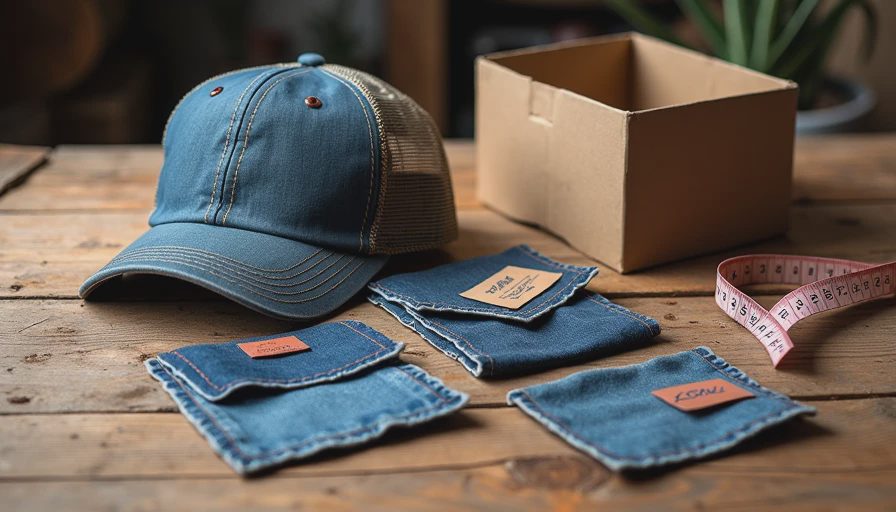
Look closely at construction. Older examples often have a tall, structured front, a soft foam-backed crown, coarse nylon mesh, and a plastic snap closure. The brim may be flatter than a modern retail hat, and the front panel can show gentle creasing from years of wear. Cotton or cotton-blend twill is common on non-mesh promotional caps. A union-made label, a chain-stitch logo, or a recognizable maker tag from brands such as K Products, Sportsman, or Dunlap can make the search more interesting.
The patch matters, but it is not the whole hat. A stitched or heat-applied patch with uneven lettering can be wonderfully period-appropriate. So can a faded screen print. Be suspicious of artificially distressed graphics that look too clean around the edges while the rest of the hat is supposedly forty years old. Real wear usually happens where hands, sweat, sun, and the brim have done their work.

How to judge condition before you buy
Start with the interior. Sweat marks around the sweatband are normal, particularly on caps that were worn outdoors. Sticky foam, brittle mesh, and a liner that flakes when touched are different matters. Hold the crown up to the light and inspect the seams. A small separation can be repaired, but sun-rotted fabric may continue to crumble once you begin wearing it.
Smell is another honest test. A faint stored-textile scent can often be aired out. Strong mildew, cigarette smoke, or chemical odor is harder to remove and may never disappear completely. I once paid $28 for a rare-looking cap from a roadside antique booth because the patch was perfect. After two days in a paper bag with baking soda, it still smelled like the booth. That was tuition.
Check the snap carefully. Replacement snaps exist, but a mismatched closure can change the character of the hat. Make sure the brim is not split at the stitching and that the front panel holds its shape. Small stains are part of the record; structural failure is a practical problem. A clean, wearable cap for $15 to $35 is usually a better buy than a $75 “deadstock” piece with fragile foam.
For mens trucker hats vintage collectors, condition is often about balance rather than perfection. A faded patch and soft brim can look better than a pristine hat with no visible history. If the hat is rare, display-only condition may be acceptable. If you plan to wear it to a Saturday market, prioritize comfort, secure hardware, and fabric that can survive another decade.
Finding the right fit and shape
Vintage trucker hats often sit taller than current low-profile caps. That extra height can be flattering with a work jacket or roomy denim, but it can also feel theatrical if every other item is slim and polished. Try the hat with your normal coat, not just a T-shirt in a mirror. The silhouette needs to belong to the outfit.
Most snapbacks offer several size positions, but the adjustment range is not universal. Some older caps fit a smaller head comfortably and pinch a larger one once the front is shaped. The crown should sit securely without leaving a deep mark on your forehead. If the brim points sharply upward, steam can help reshape it, but do not soak old foam or press a hot iron against synthetic mesh.
A five-panel cap, a rope-front cap, and a classic foam trucker each tell a different story. A rope-front style leans toward surf, motel, and western imagery. A mesh promotional cap feels more agricultural or mechanical. Neither is automatically more authentic. The best choice is the one that connects with your wardrobe and your actual life.
How to wear mens trucker hats vintage without looking costumed
The easiest approach is to let the hat be the loudest old thing in the outfit. Pair a faded cap with a washed oxford shirt, straight-leg jeans, and canvas sneakers. For cooler weather, try a chore coat, flannel, or cotton twill overshirt. The result feels lived-in rather than like a carefully assembled theme.
Color makes a difference. A cream front with forest-green mesh works beautifully with olive pants. Navy, rust, tan, and faded red sit comfortably beside denim. If the patch is bright orange or carries large lettering, keep the rest of the outfit quiet. Repeating the exact colors in your shirt, shoes, and jacket can make the whole thing look staged.
Mens trucker hats vintage also work with more modern basics when the proportions are relaxed. A heavyweight pocket tee, fatigue pants, and a clean leather belt give an old cap enough context. Avoid combining it with a surplus jacket, engineer boots, raw denim, and a giant mustache unless that is genuinely how you dress. Vintage should add personality, not turn you into a reenactor.
Where to look and what to pay
Thrift stores are still the best place for affordable surprises, especially in towns with farming, fishing, construction, or trucking histories. Flea markets can produce better variety, though sellers who know hats may price desirable advertising pieces between $30 and $100. Online marketplaces offer the widest selection, but photographs can hide sweat stains, odor, and cracked foam. Ask for interior, side, and closure photos before sending payment.
Search by the business or graphic rather than only by the word “vintage.” A cap advertising a regional feed company, gas station, race team, or equipment dealer may be listed under its subject. Estate sales are especially good for boxes of hats that were worn hard but stored honestly. Bring patience. The best find may be tucked beneath ten modern caps with a printed beer logo.
When buying online, compare the seller’s measurements with a hat you already own. Ask whether the snap is intact, whether the mesh has dry rot, and whether the hat has been washed. A seller who answers clearly is usually safer than one who relies on “rare retro vibes” and three blurry photographs.
A simple care routine for old caps
Do not put a vintage foam-front trucker in the washing machine. Remove loose dust with a soft brush, then spot-clean grime using a barely damp cloth and mild soap. Test an inside seam first, because old dyes can bleed. Let the hat air-dry on a towel away from direct heat. A small bowl of baking soda nearby can help with storage odors, but do not pack powder into the mesh.
Store the cap upright or loosely stuffed with acid-free tissue. Avoid leaving it on a sunny dashboard, where ultraviolet light can fade graphics and weaken plastic. If the brim is badly bent, reshape it gradually with steam from a distance. For valuable or fragile examples, a hat rest is safer than improvising with a jar.
The pleasure of mens trucker hats vintage is not chasing a perfect artifact. It is finding something with a crooked patch, a good fit, and enough life left for another round of weekends. Study the tag, feel the mesh, inspect the hardware, and then trust your eye. Every stitch has a story, and the right hat lets you add the next chapter.



No letters yet — be the first to write.