Walk into a good vintage shop on a Saturday morning and the hat rack usually tells the story before the clothing does. A wool fedora with a sweat-stained leather band, a faded baseball cap from a long-closed gas station, and a straw pork pie might all be waiting on the same peg. Learning the types of hats fashion enthusiasts actually wear makes it easier to choose something with character instead of grabbing an accessory that feels like a costume.
The trick is not collecting every silhouette. It is understanding proportion, material, history, and the setting where you plan to wear it. A hat should look like it belongs in your wardrobe, not like you borrowed it from a theater department five minutes ago. Every stitch has a story, and the right hat adds another chapter.
Types of Hats Fashion Has Kept Around for a Reason
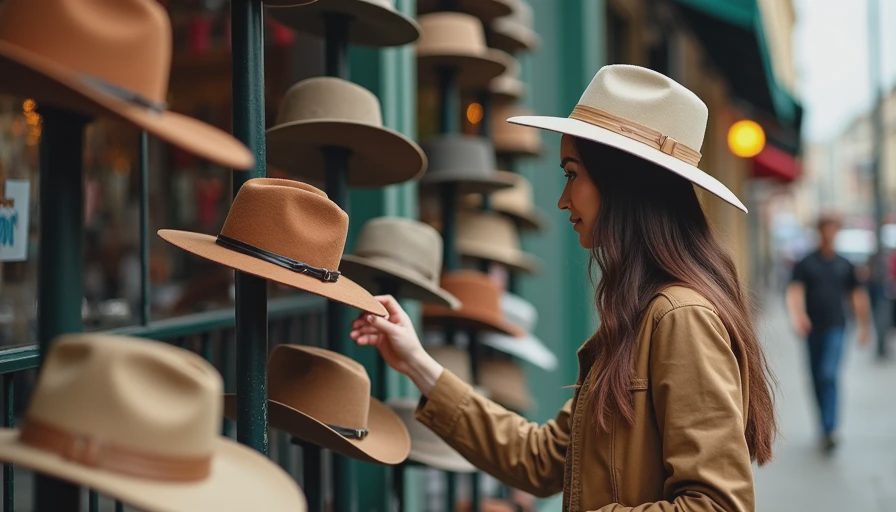
The fedora remains one of the most misunderstood options. Vintage examples from the 1940s through the 1960s often have better felt, stronger hatbands, and more interesting finishing than inexpensive modern versions. Look for beaver or rabbit felt when the price is sensible, but do not reject a wool hat with a good shape. Brands such as Stetson, Dobbs, Knox, and Borsalino are worth inspecting, especially when the brim has not been crushed flat.
A pork pie has a shorter crown and a distinctive circular indentation. It works well with casual tailoring, denim, chore coats, and summer cotton. The trilby is similar to a fedora but usually has a narrower brim and a more sharply angled crown. In practice, a vintage trilby can look excellent; a shiny novelty version often looks like a magician's prop.
The flat cap, sometimes called a newsboy cap when it has a fuller crown, is one of the easiest entries into types of hats fashion. Harris Tweed, Donegal tweed, cotton drill, and linen all bring a different mood. A flat cap looks natural with a field jacket or an old oxford shirt because it shares the same workwear vocabulary.
Choosing a Hat by Season and Fabric
Southern weather has taught me that a beautiful hat can become a regrettable hat by lunchtime. For warm months, look for palm straw, raffia, linen, cotton, or lightweight canvas. A tightly woven Panama-style hat gives you a cleaner, dressier line, while a floppy straw hat feels more relaxed. Check the weave for broken strands and examine the sweatband for salt marks before buying.
Winter offers more room for wool felt, corduroy, moleskin, and tweed. A dark brown or charcoal hat is generally easier to wear than pure black, particularly with denim and brown leather shoes. Navy wool can be surprisingly versatile, though it looks best when another navy element appears somewhere else in the outfit.
Material also changes how formal the hat feels. Smooth felt reads dressier than rough tweed. A waxed cotton cap leans practical, while faded canvas suggests workwear. If you are new to types of hats fashion, start with one seasonally useful material rather than buying a fragile hat you will be afraid to wear.
How to Get the Fit Right
Measure your head with a soft tape measure, placing it roughly one finger above your eyebrows and keeping it level around the widest part of your head. If you measure 22 1/2 inches, you are near a 7 1/8 in many American hat size systems, but labels vary. Try the hat on whenever possible. It should sit securely without leaving a deep red line after ten minutes.
A fedora should not perch on the crown like a lampshade. A cap should cover the top of your head without squeezing your temples. The brim should relate to your shoulders: a very narrow brim can look fussy on a broad-shouldered frame, while an enormous brim can overwhelm a smaller silhouette. These are guidelines, not laws. The mirror gets the final vote.
Vintage hats often have compressed sweatbands or stretched openings. A hatter can reshape felt and adjust some bands, usually for a reasonable fee, but do not soak the hat at home. Steam can help a minor crease, yet too much heat can distort the crown or loosen old adhesive.

Baseball Caps, Bucket Hats, and Everyday Options
The baseball cap is probably the most democratic item in types of hats fashion. A vintage cap with a felt athletic logo, chain-stitch embroidery, or a simple canvas body can add personality without demanding much styling. I prefer unstructured six-panel caps for casual outfits and older wool caps for fall. Avoid a bill so curved that it looks factory-shaped; a gentle curve feels more relaxed.
Bucket hats have traveled from fishing gear and military clothing into streetwear and vintage wardrobes. Cotton twill works for daily wear, while waxed fabric handles light weather. The best version has a modest brim and enough structure to hold its shape. If the hat collapses into a sad ring around your face, it probably needs a different size or fabric.
A watch cap is another useful choice, especially in colder regions. Ribbed wool or cotton gives it a straightforward, practical character. Fold the cuff once rather than stacking it into a thick tower unless you are intentionally chasing a 1990s skate-shop look.
Styling Vintage Hats Without Looking Costumed
The safest way to wear a vintage hat is to repeat one of its visual ideas elsewhere. Pair a brown felt hat with brown boots or a leather belt. Let a navy cap echo a navy overshirt. Match a straw hat with linen, faded denim, or an open-collar shirt rather than formal business clothing. The outfit does not need to be historically accurate; it only needs to share a texture and level of ease.
When exploring types of hats fashion, resist wearing every vintage signal at once. A 1940s fedora, suspenders, two-tone shoes, and a high-waisted suit can be fun for a themed event, but the same combination at a coffee shop may read as performance. One strong period piece is usually enough. Let your modern jeans, sneakers, or plain tee provide the contrast.
Color matters, too. Olive, tobacco, charcoal, navy, and natural straw are forgiving starting points. Brighter felt or patterned caps can work beautifully once you know which colors already appear in your closet.
Finding Quality at a Thrift Store
Start by checking the inside before admiring the crown. Look for a readable size, a clean sweatband, intact stitching, and a lining that is not flaking into powder. Vintage union labels, American-made tags, and old retailer names can offer useful clues, but age alone does not make a hat desirable. A 1950s hat with moth damage is still a damaged hat.
Smell the hat discreetly. Persistent mildew, cigarette smoke, or oily residue can be difficult to remove from felt. Inspect for moth holes around the crown and brim, then check whether the brim has become brittle. On caps, examine the back strap, eyelets, and visor stitching. A $12 find that needs only brushing is better than a $40 bargain that requires professional restoration.
The best types of hats fashion collectors find are often overlooked because the color looks ordinary on a crowded rack. Bring patience, a soft brush, and a willingness to try unfamiliar shapes. Take a quick mirror photograph, walk around the store, and see whether the hat still feels like you after the first excitement fades.
A Practical Starting Point
For a first purchase, choose one hat that fits your actual life. A cotton cap suits weekend errands, a flat cap works with jackets and denim, and a straw hat earns its keep during hot-weather walks. If you dress mostly in dark neutrals, try tobacco, olive, or faded navy rather than adding another black accessory.
The types of hats fashion rewards are not always the loudest. They are the pieces you reach for repeatedly because the proportions feel right and the material improves with wear. Spend $15 at a thrift store or $100 with a reputable vintage seller; either can be a good decision when the hat fits, the condition is honest, and the styling feels natural. Start there, wear it often, and let the story develop.
No letters yet — be the first to write.