The Jacket That Humble-Pied Me
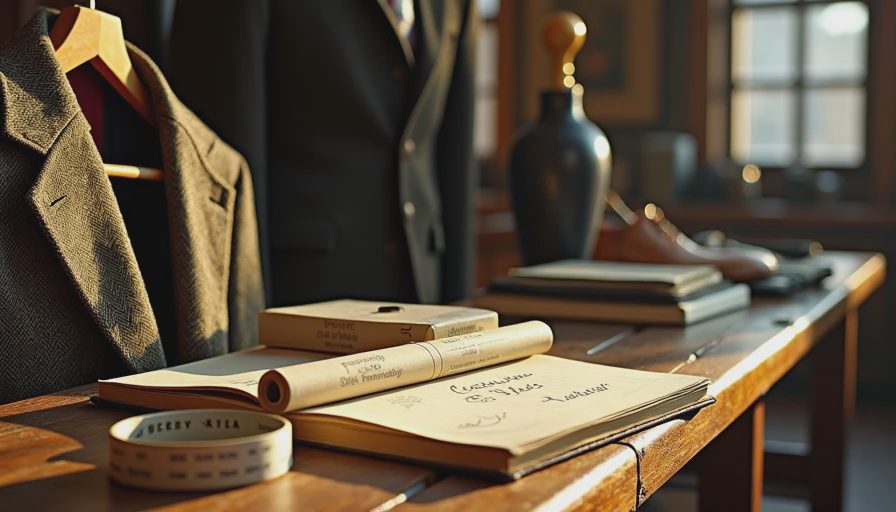
It was a crisp fall morning in 2020, not long after I’d settled into my role at The Vault in Starland. I spotted it hanging proudly near the front: a rich 1973 Brooks Brothers tweed sport coat in a beautiful herringbone pattern. The color was that perfect muted olive-brown that screams “Savannah gentleman on a Saturday stroll.” The tag looked right. The fabric felt substantial. The price was… let’s say optimistic.
I bought it anyway. Wore it twice. Then the lining started to disintegrate like wet tissue paper, one shoulder seam gave way during a casual dinner, and I realized I’d overpaid for a beautiful corpse.
That jacket became my greatest teacher. Not because it was perfect — because it wasn’t. And today I’m sharing the checklist it forced me to create so you don’t repeat my expensive mistakes.
From J.Crew Spec Sheets to Vintage Reality
After eight years in corporate buying — reviewing mill reports, negotiating with factories, and obsessing over construction details — I thought I was ready for vintage. Turns out the real world of secondhand has its own brutal final exam.
The Brooks Brothers jacket looked like a straight-A student on the rack. But up close? It had been ridden hard and put away wet by its previous owners. This piece humbled me in the best way and created the evaluation system I still use when purchasing for the shop and my own closet.
The Checklist That Was Born That Day
Here’s the no-nonsense framework I now run every serious piece through. It’s saved me (and the shop) more money than I can count.
1. Construction First — Before You Fall in Love
Shoulder seams and armholes: Feel for clean, even stitching. Puckering or sloppy work means it won’t hold up.
Buttonholes and buttons: Real buttonholes (not just decorative) and securely attached buttons. Mother-of-pearl or horn on nicer pieces is a bonus.
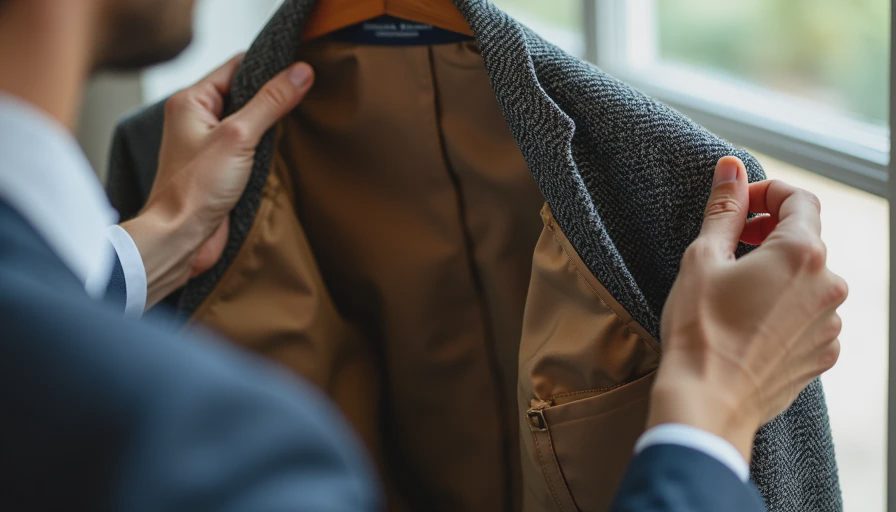
Lining integrity: This is where my 1973 Brooks failed hardest. Tug gently. Look for repairs or thin spots. A good lining can be replaced, but it adds cost.
Pockets and reinforcements: Functional pockets that lie flat. Bar-tacking at stress points.
2. Fabric and Wear Patterns
Run your hands over it like you’re reading braille. Consistent wear in expected places (elbows, cuffs) is good character. Random thin spots or weird pilling? Walk away.
Tweed should have depth and spring. My mistake jacket felt great initially but revealed its age under real movement. Natural fibers breathe and age gracefully when they’re quality to begin with.
3. Hardware and Details That Matter
Zippers (Talon, Conmar), snaps, and rivets tell era stories. Check for matching buttons across the piece. Interior labels and pocket tags often hold the best clues.
4. Fit and Alteration Potential
Try it on. Vintage sizing is inconsistent. A jacket that’s too small in the shoulders is almost never worth it. Too big? A good tailor can work miracles on the waist and length.
5. The Smell Test and Overall Integrity
Musty is fixable. Mildew or smoke damage is a project. Moth holes in structural areas? Hard pass unless it’s an incredible deal and you love mending.
What I Learned About Pricing Philosophy
That Brooks Brothers jacket taught me the difference between “fair” and “optimistic.”
At The Vault we price for movement and respect for the garment. A piece with honest wear but great bones gets a fair price. Something that needs significant restoration gets marked accordingly — or set aside for repair.
The math is simple: cost of acquisition + time to fix + realistic sell-through time = price. I overpaid because I fell for the label without doing the full inspection. Lesson learned.
Behind the Counter Stories
Working as purchasing manager means I see the full cycle. Customers bring in their grandparents’ suits. We evaluate, sometimes restore lightly, and find new homes.
One memorable day a gentleman brought in a full rack from his late father’s closet. Among the treasures was a similar tweed that was in far better condition. Same era, same maker — but clearly babied. It sold the same week for a price that reflected its care. Stories travel with the clothes.
My Updated Buying Rules for the Shop (and You)
Never buy in poor lighting.
Always inspect under natural light if possible.
Factor in repair costs before saying yes.
Buy what you (or a clear customer) will actually wear.
Document your lessons — that’s how the shop improves.
The Silver Lining of That Bad Buy
I still have the jacket. It hangs in my garage as a reminder. Occasionally I pull it out, laugh, and remember that even experts get humbled.
It also led to better sourcing trips, stricter standards for what we accept on consignment, and ultimately better pieces for our customers.
Why This Matters in the Bigger Picture
Vintage isn’t just about scoring deals. It’s about stewardship. When you buy thoughtfully, you keep quality garments in circulation longer. You honor the mills, makers, and previous owners.
That 1973 Brooks Brothers taught me patience, thoroughness, and the joy of passing on better pieces than I find.
Practical Advice for Your Next Shop Visit
Next time you’re at The Vault or any Savannah spot, slow down. Use this checklist. Ask questions. Share your own finds.
And if you see something that looks too good to be true — inspect it twice. I’ll be doing the same.
Every stitch has a story. Sometimes the story is “don’t do what I did.” And that’s a valuable chapter too.
See you at the racks. I’ll be the guy carefully tugging on linings and muttering about shoulder seams. Bring your patience — and maybe a coffee.
No letters yet — be the first to write.