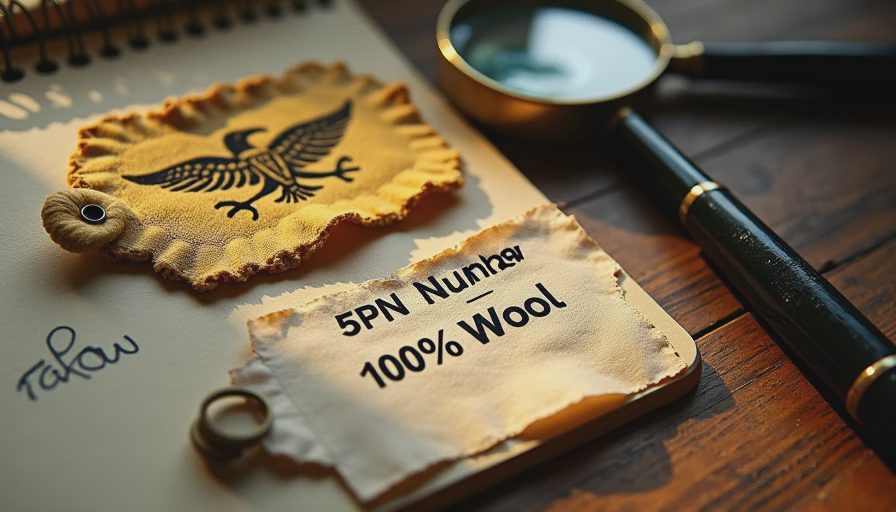
The First Time a Tag Humiliated Me
I’ll never forget it. Back in my early days at The Vault, I proudly held up what I thought was a pristine 1960s Brooks Brothers tweed sport coat. The price was right, the fabric felt incredible, and the customer was excited. Then my boss — a true old-school pro — glanced at the tag and chuckled. “Nice 1990s repro, Jasper.”
One tiny union label and a single RN number later, my pride was in the dumpster. That moment taught me: the real story of a garment often hides in a 2x3 inch piece of printed fabric most people rip out and toss. If you want to thrift like you know what you’re doing instead of guessing, you’ve got to become a tag detective.
Welcome to the forensic side of vintage. No PhD required — just curiosity, a magnifying glass on your phone, and the willingness to look foolish while squinting at tiny print in bad lighting.
Why Tags Matter More Than You Think
Fast fashion copies silhouettes, but they rarely nail the tiny manufacturing details that scream “authentic.” Learning to decode tags saves you money, prevents disappointments, and lets you geek out properly when you find the real deal.
I’ve handled thousands of garments since leaving J.Crew’s mills and spec sheets behind. Here’s the no-nonsense system I use every single Saturday on the hunt.
Step 1: The Union Label — Your Era’s Fingerprint
Union labels are gold for dating American-made pieces.
Look for the ILGWU (International Ladies’ Garment Workers’ Union) or ACTWU tags. The logo evolved over decades:
Pre-1950s: Often simpler text or older eagle designs.
1950s–1970s: The famous “union made” with detailed eagle or handshake motifs.
Late 1970s onward: More standardized, sometimes with “Made in USA” text added.
If you see a “Made in China” or modern barcode-heavy tag alongside an old-looking label, it’s likely married parts or a fake. Real vintage rarely lies about origin.
Southern factories had their own quirks too — I’ve found plenty of Georgia and North Carolina labels from the mid-century that tell stories of local textile towns.
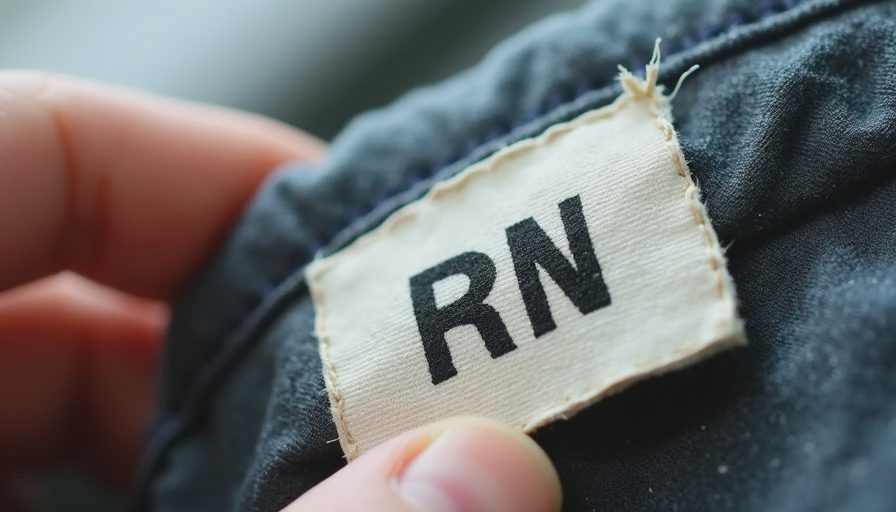
Step 2: RN and WPL Numbers — The Government Paper Trail
This is where it gets detective-level fun.
RN (Registered Number) and WPL (Wool Products Label) numbers are registered with the Federal Trade Commission. You can look them up (or memorize the common ones) to pinpoint manufacturers and eras.
Examples I see regularly:
RN numbers in the 10000–30000 range often point to older makers from the 1940s–1960s.
Higher numbers (50000+) usually indicate later production.
Write down the number, snap a photo, and cross-reference later. There are solid online databases, but nothing beats building your mental library from real pieces.
One of my favorite finds was a 1973 Haspel seersucker suit (more on that rabbit hole in a future post). The RN number led me straight to the mill history and confirmed the exact production window.
Step 3: Fabric Content and Care Labels — The Chemistry of Time
Fabric composition changed dramatically over decades due to technology and regulations.
Pre-1960s: Mostly natural fibers — 100% cotton, wool, linen, silk. Labels are brief.
1960s–1970s: Introduction of polyester blends. Early blends feel different — stiffer, less breathable at first.
1980s+: More complex blends, spandex experiments, and care symbols that look modern.
Watch for shifts like “Permanent Press” or “No-Iron” hype in the late ’60s. If a tag brags about a miracle fiber that sounds too good, check the date context.
Pro move: Feel the fabric first, then confirm with the label. A “100% cotton” tag on something that feels like plastic? Red flag.
Step 4: Care Instruction Evolution and Hidden Clues
Care labels tell cultural history too:
Early pieces: “Dry Clean Only” or hand-wash instructions.
1970s: More machine-washable claims as technology improved.
Modern repros: Often have those tiny international care symbols in perfect registration.
Also hunt for:
Lot numbers or style codes that match known catalogs.
Size evolution: Older sizing was more consistent and generous.
Country of origin: Pre-NAFTA shifts are telling.
Real-World Detective Stories from the Racks
Last month I pulled a beautiful chambray work shirt. Tag said 100% cotton, Talon zipper, union label from the right era. But the RN number was suspiciously new. Turned out to be a high-quality modern brand using retro styling. Still a good shirt — just not vintage. Honesty matters.
Contrast that with the 1960s Pendleton I found for $12. The tag was faded but legible: correct union, correct fiber (virgin wool), and that unmistakable soft hand that only decades of washing creates. It’s now my go-to layer.
Tools of the Trade (Keep It Simple)
Phone camera with macro mode or a cheap jeweler’s loupe.
Small notebook or notes app for RN numbers.
Knowledge of common brands: Levi’s red tab changes, Brooks Brothers golden fleece evolution, etc.
Patience. Good light helps — sometimes I step outside the store just to read a tag.
Common Pitfalls That Trip Up Beginners
Assuming all “vintage style” tags are old.
Ignoring odor or construction even if the tag looks perfect.
Getting hung up on perfection. A repaired label or faded tag can still be authentic.
Forgetting that some great pieces were made in the 1990s — “vintage” is flexible.
Building Your Personal Reference Library
Start a simple folder on your phone: photos of tags grouped by decade. After a few months of thrifting in Savannah, you’ll spot fakes from across the room.
I still learn something new every week. That’s the joy — the archive never ends.
Why This Skill Changes How You Shop Forever
Once you can read tags, thrifting becomes less random and more intentional. You start respecting the hands that made the garment decades ago. You avoid supporting fast-fashion copies disguised as heritage. And most importantly, you bring home pieces with verifiable stories instead of fast-fashion regrets.
Next time you’re at Blessingdales, The Vault, or a Starland flea market, slow down at the collar or waistband. Squint. Decode. Celebrate when it all lines up.
Every stitch has a story — and the tag is often Chapter One.
Go play detective. Your closet (and your wallet) will thank you.
I’ll be doing the same this Saturday. Maybe I’ll see you there — look for the guy muttering RN numbers under his breath while holding a magnifying glass to a shirt label.


No letters yet — be the first to write.