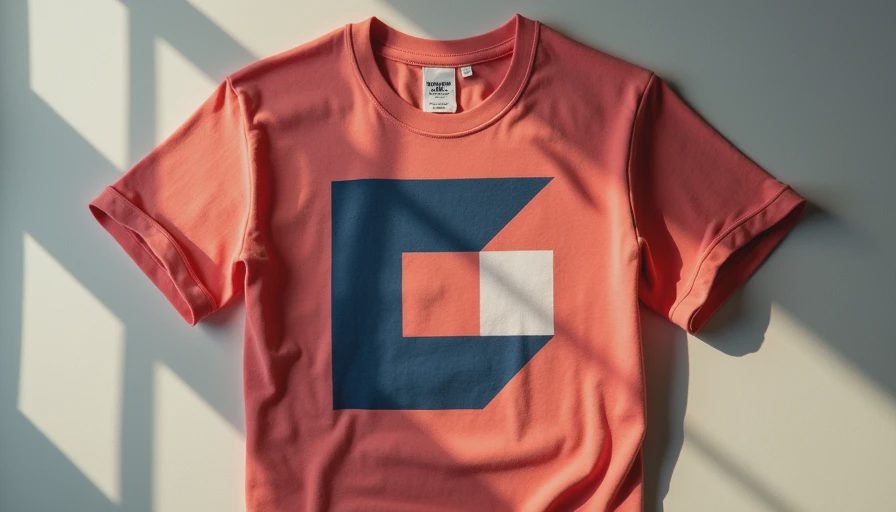
A good t shirt eighties find should feel like a small piece of cultural archaeology: soft cotton, a slightly cracked graphic, and a tag that has survived years of washing. The best examples do not look brand-new, and they certainly do not require a full costume. They work with faded jeans, relaxed chinos, or a military trouser just as naturally as any modern tee with a little more history behind it.
I have bought plenty of shirts that looked brilliant under a flea-market awning and less brilliant in daylight. One had a neon surf graphic, a perfect single stitch, and a sleeve opening wide enough to fit my head. I paid $42 anyway. Every stitch has a story, but not every story deserves forty-two dollars.
What makes an authentic t shirt eighties piece
Start with the tag, but do not let the tag make the entire decision for you. An authentic t shirt eighties garment may carry a brand such as Screen Stars, Hanes, Fruit of the Loom, Velva Sheen, or Tultex. Screen Stars tags are especially common in promotional and concert shirts from the era, often with a narrow neck opening and a fabric blend that feels lighter than modern heavyweight cotton. Hanes Beefy-T shirts generally have a denser hand and a sturdier collar.
Single stitching at the sleeve and bottom hem is a useful clue, though it is not a courtroom verdict. Some earlier shirts use single needle construction, while later production and certain manufacturers use double stitching. Look at the whole garment: shoulder seams, collar rib, thread color, fabric wear, and the relationship between the tag and the graphic. A supposedly old tee with a crisp heat-transfer print, modern side seams, and a suspiciously perfect black color deserves caution.
The graphic itself tells another part of the story. Local businesses, bowling leagues, church groups, college events, auto dealerships, and small-town festivals produced shirts that rarely made it into fashion archives. That is where the good digging happens. A faded 1987 softball tournament tee can be more interesting than a widely reproduced rock design, especially when the artwork reveals a place, event, or visual language from the time.
How to judge fabric, color, and condition
A real t shirt eighties example often has uneven fading rather than a uniform vintage wash. The chest may be lighter than the underarms, and the back can show a pale rectangle where the shirt spent years beneath a jacket. That variation is not damage by itself; it is evidence of use. Hold the tee up to a window and inspect the armpits, shoulder seams, and lower hem. Tiny pinholes are manageable. A weak, tissue-thin body that tears when you stretch it is a different matter.
Cotton-poly blends are common, and they should not be dismissed as inferior. A 50/50 shirt can keep its graphic and shape better than a very soft all-cotton tee. You may also find ring-spun cotton with a smoother surface, or a rougher tubular body with no side seams. The tubular cut often gives vintage shirts that easy, slightly boxy drape. Fabric weight matters less than whether the shirt feels stable in your hands.
Color can be tricky. Sun-faded red, washed navy, athletic gray, and butter yellow are generally easy to wear. Electric pink, fluorescent green, and intensely purple blanks can be fantastic, but they need calmer partners. If the color is loud, let the rest of the outfit be quiet. A vintage tee with tan chinos and plain canvas sneakers has room to speak without shouting.
Getting the fit right without erasing the era
The best t shirt eighties fit is not necessarily the smallest size that closes across your chest. Measure pit to pit, shoulder to shoulder, and the back length from the highest point of the collar. Vintage sizing is inconsistent, and a labeled large can fit like a contemporary medium. Compare those measurements with a shirt you already enjoy wearing rather than trusting the tag.
Most genuine examples have shorter lengths and narrower shoulders than current oversized tees. That can be useful. Try a medium-length shirt with higher-rise jeans or pleated trousers, allowing the hem to sit near the waistband instead of hanging halfway down the thigh. If you prefer more coverage, choose a larger size with a broader chest, then check that the shoulder seam does not fall too far down the arm.
Body shape is not a vintage rulebook. A roomy shirt can look deliberate on one person and sloppy on another, while a neat fit can work beautifully under a chore coat. Tuck it, leave it loose, or add a casual half-tuck based on the rest of the outfit. The goal is ease, not a perfect reenactment of an old catalog page.

Wearing a t shirt eighties piece today
Build around the graphic's strongest color. A washed blue tee with cream lettering works with ecru denim or olive fatigues. A black concert shirt with red artwork can sit under a tan cotton jacket. For a t shirt eighties look that feels Southern rather than themed, add worn-in jeans, brown leather shoes, and a cap with minimal branding. Avoid stacking several loud vintage items at once; one good shirt usually carries the outfit.
Layering also helps a graphic tee feel intentional in cooler weather. Try an open oxford, a faded denim jacket, or a relaxed blazer with natural shoulders. Do not pair a slim, shiny sport coat with a boxy old tee unless you are very certain of the proportions. Textures should have some conversation: cotton with denim, canvas, corduroy, or broken-in wool tends to make sense.
Shoes can change the entire message. Canvas sneakers keep the outfit casual, while loafers make the tee feel more considered. Work boots bring out a utility or motorcycle graphic, but they can become costume-like when combined with excessive leather and novelty accessories. Leave one piece of the era unexplained. That little bit of restraint is what keeps the shirt from looking like a theme-party uniform.
What to pay and how to care for it
Prices vary sharply by graphic, condition, rarity, and demand. At a thrift store, ordinary blank or local-event shirts can still appear around $5 to $15. A desirable concert, beer, racing, or surf graphic may command $30 to $100, while exceptional documented pieces go higher. Do not pay a premium merely because a seller writes “rare” in the listing. Ask for clear photos of the tag, seams, graphic, measurements, and flaws.
Wash a t shirt eighties garment inside out in cool water with a mild detergent. Skip chlorine bleach and aggressive stain removers, which can strip old ink and weaken cotton. Air-dry it flat or on a hanger with broad shoulders; high dryer heat is one of the fastest ways to turn a wearable tee into a fragile rag. Fold graphic shirts instead of leaving them under a heavy stack, and keep them away from damp closets.
If a shirt has a valuable original print, resist the urge to restore every crack. Those lines are part of its surface history. Repair a small seam with matching thread, but leave major alterations to someone experienced with vintage knits. A clean, honest shirt is more appealing than one scrubbed and reshaped until none of its original character remains.
The final check before buying
Before handing over your money, inspect the collar for stretching, smell the underarms, and check both sides of every graphic. Measure the shirt, look for hidden stains, and decide whether you would wear it with clothes already in your closet. A t shirt eighties purchase earns its place when the design interests you, the fabric still has life, and the fit gives you at least three outfits.
That is the real pleasure of vintage: not copying an old photograph, but carrying its clues into your own wardrobe. Find the event tee, the odd regional logo, or the faded blank that makes you stop at the rack. Every stitch has a story, and the best ones still have a few chapters left.



No letters yet — be the first to write.