70s mens dress shirts are having a moment, and I'm here for it. In eight years of buying menswear in New York and now running the vintage side at The Vault in Savannah, I've handled thousands of shirts. The good ones from the 1970s share a few unmistakable signs: bold prints, point collars that actually stay down, and a fabric hand that feels completely different from anything in a modern mall. If you know what to look for, you can pull a genuine keeper off a thrift rack for less than a fast-fashion shirt costs.
What Makes a 70s Dress Shirt a 70s Dress Shirt
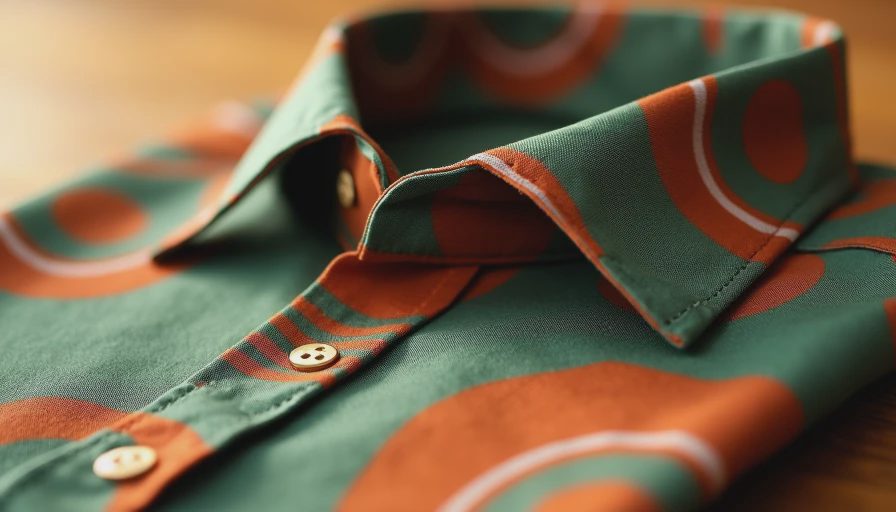
The first thing I check is the collar. Early in the decade, point collars ruled; by the late seventies you start seeing spread collars with less roll. Then I look at the placket and the buttons. Genuine 70s mens dress shirts often use plastic buttons with a shank back, or dyed-to-match buttons that pick up the shirt's pattern. The placket is usually full, not hidden, and the hem is longer than you expect, made to stay tucked.
Before I pull a shirt off the rack, I give it the once-over: flip up the collar, run a finger down the placket, and check the tag. That thirty-second habit saves me from wasting money on something that looks good from across the aisle.
Fabric is the biggest giveaway. Many of the best 70s mens dress shirts came in polyester blends, sometimes with a stretchy knit feel, but the real treasures are cotton blends with a crisp, slightly weighty drape. You'll feel a seventies shirt before you read the label. It has structure. The print quality, too, is different: colors are often deeper and more saturated, with large-scale florals, geometrics, and paisleys that a modern factory rarely attempts.

Where to Look and How to Spot the Real Deal
Start with the racks nearest the back of the thrift store, where the polyester and the patterns accumulate. Estate sales and church rummage sales are even better, because the shirts usually still have their original hangers and often their old labels. Arrow, Van Heusen, Hathaway, and Pierre Cardin all made serious shirts in that era, but the labels you want are the ones with a union tag or a factory town sewn into the seam. That tag tells you the shirt was made before the industry shipped overseas, and it gives you a rough date.
Don't reject a shirt just because it has a small stain or a missing button. I've brought home shirts that needed a five-minute repair and a good soak, and they've become favorites. The exceptions are discoloration under the arms or a split seam near the collar. Those usually aren't worth the money, no matter how good the fabric feels.
Sizing, Fit, and the Adjustments That Matter
Vintage sizing is not modern sizing. A seventies large fits closer to a modern medium, and sleeve lengths run shorter. If you are between sizes, go with the bigger one and take it to a tailor; a simple side seam adjustment is cheap and makes a vintage shirt sit right across the shoulders. Some 70s shirts had a fuller chest and a tapered waist, so a shirt that looks boxy on the hanger can fit beautifully once it's on.
When I'm buying 70s mens dress shirts for the shop, I look for a clean collar roll and a placket that lies flat. The rest can be fixed. The right tailor will work wonders.
How to Wear 70s Mens Dress Shirts Without a Time Machine
The secret to wearing 70s mens dress shirts today is to let the shirt do the talking. Pair a bold floral with plain dark denim or a simple off-white trouser. Put a solid brown or olive check under a modern overshirt. The proportions change everything: a vintage shirt worn fully buttoned with high-waisted pants looks intentional. Leave the top two buttons undone and roll the sleeves once. That is the difference between a costume and a 70s shirt done right.
The Price Question and What to Pay
Here's a realistic pricing guide from years behind the counter. At a thrift store, decent 70s shirts run anywhere from four to twelve dollars. At a vintage shop, expect fifteen to forty dollars, depending on the brand, pattern, and condition. A rare Pierre Cardin or a hand-finished paisley by a lesser-known label can go higher, but you should never need to spend triple digits to get a great shirt.
Set a mental budget before you dig. Mine is usually twenty dollars, and I still regularly find shirts that would sell online for more. If you're shopping online, factor in shipping and the risk of fit. I've been burned plenty of times, and I'll be the first to tell you that feeling a shirt in person is better than trusting a tape measure from across the country.
Care and a Few Last Notes
These shirts are sturdier than they look, but they want a gentle wash. Cold water, mild detergent, hang dry. If a shirt has a stubborn smell, a vinegar rinse usually kills it. Store them on thick wooden hangers, not wire ones; the fabric will thank you. Every stitch has a story, and a 70s dress shirt has a whole pile of them.
If you're ever in Savannah's Starland district, stop by The Vault and say hello. I've got a rack of 70s shirts waiting for you, and I'm always happy to talk collars.



No letters yet — be the first to write.