Every stitch has a story, and few stories are as good as the one told by a suit from the Eisenhower era. I've been buying and selling vintage for a decade now, and I still get a thrill when 1950s mens suits surface on the rack. The fabric, the construction, the way the shoulders sit — it's a masterclass in tailoring from a time when men dressed like they had somewhere to be.
If you're new to this, you might picture a zoot suit or something your grandfather wore to a Rotary Club luncheon. The truth is more interesting. 1950s mens suits were the last great expression of classic American dress before casual Friday crept in and never left. They were built to be worn, not just hung in a closet.
What Makes a Suit From the 1950s Different
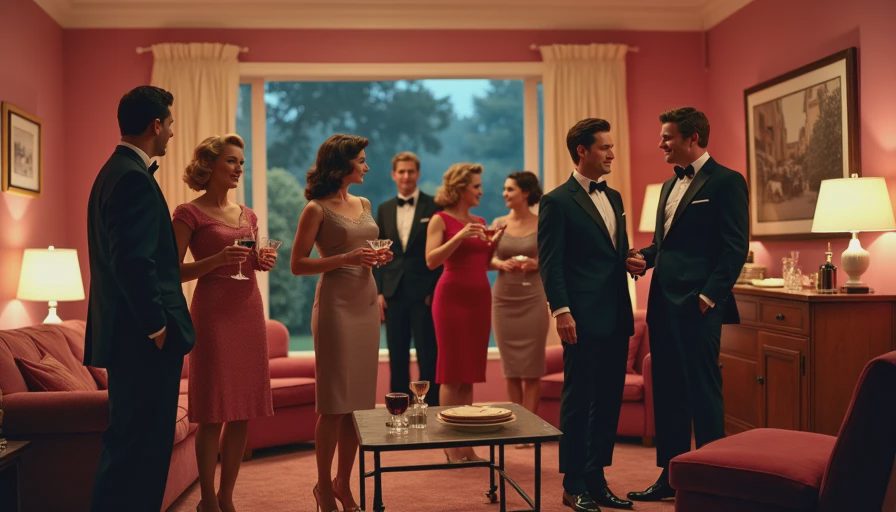
Compared to the trim cut of a 1960s Ivy League suit or the shapeless things of the 1970s, the 1950s suit has a distinctive architecture. The jacket is roomier through the chest, the lapels are wider and often notched, and the trousers sit at the natural waist — sometimes uncomfortably high if you're used to modern low-rise jeans. Most examples use a two-button front with a subtle roll to three buttons.
The fabric is where the decade shines: heavy wool flannel, sharkskin, glen plaid, and rayon blends with a slight sheen. A typical jacket has built-in shoulder pads, but they're softer than the power-suit padding of the 1980s. The whole piece feels like it was tailored for a man who had somewhere to go.
How to Identify Real 1950s Mens Suits
Here's where the detective work comes in. When you're sorting through a rack, check the zipper first. A metal zipper with the script "Talon" that clinks when you move is a strong clue. Crown zippers show up too. Plastic zippers mean you're probably looking at something from the 1960s or later. Next, look at the lining. Most 1950s suit jackets have a lining made of cupro, rayon, or polished cotton. The sleeves are usually lined in the same material — not the cheap shiny fabric you see on later pieces.
The collar roll is another giveaway. A hand-set collar that rolls smoothly around the neck without wrinkles suggests a real tailor's work. Flip up the center vent and you'll often see loose or open stitching, standard before mass-produced fusion stitching took over. And check the inside pocket: many original 1950s mens suits have raw-edged pocket mouths, a detail later machines never replicated.
Look for union labels too. The Amalgamated Clothing Workers of America tag with an eagle and a scroll usually dates from the 1940s or early 1950s. A plainer union label often means late 1950s or early 1960s. If you find a date stamped in ink on the inside pocket, count yourself lucky — that's the clearest marker of authentic 1950s mens suits.
Sizing and Fit: What to Expect
The first thing people get wrong about vintage suits is the sizing. If you wear a 42 regular in a modern suit, you'll probably take a 40 in a 1950s suit. The old sizing system was based on the actual chest measurement with room for a button shirt and maybe a sweater. The cut was looser, and the wools were thicker.
My advice? Ignore the number on the tag. Lay the jacket flat, measure armpit to armpit, and double it. A measurement between 44 and 46 inches will fit a modern 42-long frame. The trousers are the bigger challenge. They're cut for a high waist with pleats and a fuller thigh, and the waistband runs smaller than modern pants. Bring a cloth tape measure to the thrift store. Trust me, it's cheaper than a bad guess.

How to Style a 1950s Suit Without Looking Like a Costume
This is where people get shy. They think wearing 1950s mens suits means you also need a fedora, a skinny tie, and an old-timey mustache. You don't. I wear these suits with a plain white Oxford, no tie, and suede loafers. The suit does the talking.
If you want to go more casual, the jacket works over a dark crewneck and selvedge denim. The trousers, if they fit at the waist, pair beautifully with a chunky sweater and work boots. Keep everything else simple so the vintage piece reads as intentional, not a costume. Once you get your hands on 1950s mens suits that fit, the styling part becomes easy.
What to Pay and Where to Find Them
Online, you'll see 1950s mens suits priced anywhere from $80 to $400, depending on the label and condition. A Brooks Brothers or Hickey Freeman from the period can sell for more, but you don't need a big name to get a great suit. At a thrift store or flea market, the same suit might run you $15 to $60.
I've found my best pieces at estate sales, church rummage sales, and the back corners of antique malls. Check the shoulders for moth holes and the underarms for sweat stains. A little wear is fine — that's part of the story — but holes in visible places are a project you don't want. The best hunting is in older neighborhoods where men wore suits to work every day, so think about the parts of town that had offices and department stores half a century ago.
The Bottom Line
Don't overthink it. A 1950s suit is one of the easiest vintage pieces to wear if you treat it like a regular suit. The fit is forgiving, the fabric is sturdy, and the story it tells is worth the price. Yes, I've overpaid and bought the wrong size, but the 1950s suits I own now are the ones I reach for when I need to feel like I have my act together.
Every stitch has a story. Make sure the suit you bring home is one worth telling.



No letters yet — be the first to write.