A good piece of vintage 70s clothing mens style does not announce itself from across the room. It reveals the decade through a wide collar, a slightly strange pocket shape, a Talon zipper, or denim that has softened exactly where someone wore it for years. The goal is not to dress like a movie extra. It is to find one or two honest pieces and let them settle into the wardrobe you already have.
The 1970s were not one neat look. Early in the decade, clothing still carried late-1960s slimness: narrow trousers, knit polos, suede jackets, and clean workwear. By the middle years, proportions expanded. Trousers flared, collars grew, and shirts picked up color. By 1978, the silhouette was often sleeker again, with dark denim, leather, and sharper tailoring. That range gives you room to choose a version of the decade that feels like you.
What to Look for When Thrifting 1970s Menswear
Start with fabric and construction, not a famous label. A vintage cotton shirt should have a hand that feels substantial rather than papery, while polyester pieces often have a dense, smooth surface and vivid color that modern reproductions struggle to imitate. Check the seams, buttonholes, and inside facing. A garment that has survived fifty years usually has evidence of thoughtful construction, even if it also has a few stories in the form of repairs.
Hardware helps narrow the date. Talon, Scovill, and Lightning zippers appear on many American garments from the period, though a zipper alone cannot prove an exact year. Look for metal snaps, sturdy waistband closures, and union labels tucked into side seams. A tag marked with an ILGWU label can point toward American manufacture, while a Made in USA label is useful context but not a guarantee of superior quality.
For denim, examine the topstitching, pocket bags, and selvage edge if one is visible. Levi's, Lee, and Wrangler made plenty of excellent 1970s jeans, but condition matters more than the name. A pair with a clean rise, intact belt loops, and no brittle pocket lining is usually a better buy than a famous model with blown-out fabric. I once paid too much for a pair of faded jeans because the back patch looked perfect. Two wears later, the seat gave up. Every stitch has a story, including the ones that finally quit.
Building an Outfit Around One Great Piece
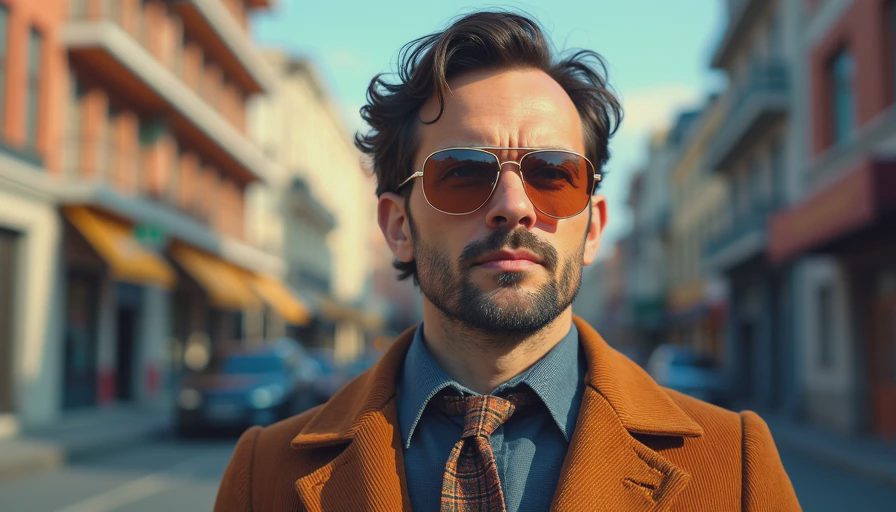
The easiest way to wear vintage 70s clothing mens style is to give the standout garment quiet company. Try a printed rayon shirt with straight-leg dark jeans and simple leather loafers. Pair a rust-colored suede jacket with an ordinary white T-shirt, relaxed chinos, and canvas sneakers. A wide-collar shirt can work under a modern chore coat, where the collar becomes a detail instead of the entire conversation.
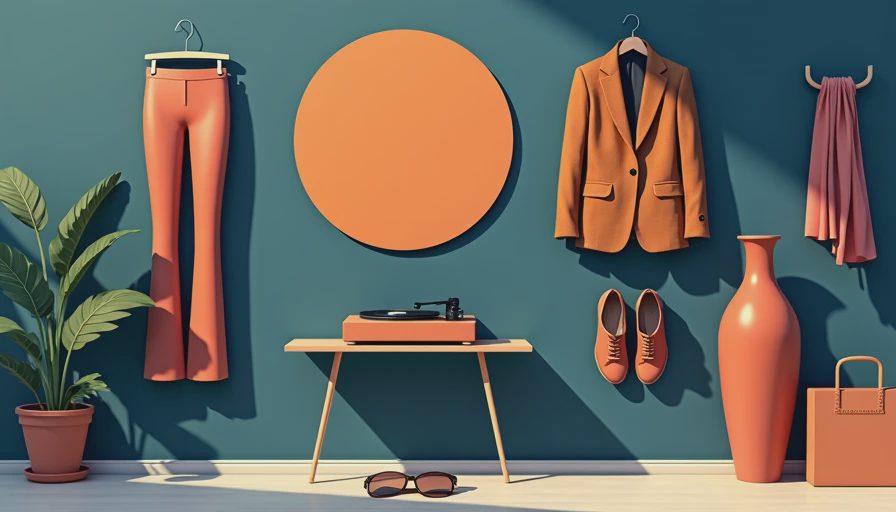
Flares deserve a little more planning. You do not need a dramatic bell-bottom cut to get the proportion right. Look for trousers that are trim through the thigh and open gently from the knee, then wear them with a boot or shoe with enough height to keep the hem from dragging. Brown leather boots, penny loafers, and low-profile sneakers can all work. The hem should skim the top of the shoe, not pool around it.
Color is another place to keep your hand steady. Tobacco, avocado, burnt orange, mustard, cream, chocolate brown, and faded denim all belong to the era, but wearing four of them together can turn a good outfit into a themed costume. Pick one strong color, add a neutral, and let texture do the rest. A corduroy jacket in tobacco with a pale blue oxford shirt feels lived-in. The same jacket with an orange satin shirt and yellow trousers requires a stronger point of view and a forgiving mirror.
Fit, Sizing, and Alterations
Vintage sizing is a record of the past, not a promise about the present. A 42 jacket may measure closer to a modern 38, and tagged waist measurements can be smaller than the number on the label. Bring a soft tape measure or compare measurements with a garment you already love. The most useful numbers are pit-to-pit, shoulder width, sleeve length, waist, rise, inseam, and thigh width.
Prioritize the shoulders on jackets and the rise on trousers. A tailor can usually shorten sleeves, adjust trouser hems, and take in a modest amount at the waist. Letting out a garment is harder because there may not be enough seam allowance. Changing shoulders, armholes, or a complicated jacket lining can cost $60 to $150 or more, so include alteration money before calling a $40 find a bargain.
There is no correct vintage body. A roomy shirt can look excellent on a broad frame, a narrow frame, or anyone who likes movement. If the garment closes comfortably and the proportions make sense, you are already much closer to the answer than a tag number will get you. The best vintage 70s clothing mens outfits are worn by people who look comfortable in them.
Finding the Right Pieces on a Realistic Budget
Thrift stores, estate sales, flea markets, and online sellers each reward a different kind of patience. At a thrift store, check the men's racks, costume section, and even the women's larger-size racks for jackets and shirts with useful proportions. Estate sales can be better for complete wardrobes, especially if you are willing to inspect closets rather than only the living room display.
Expect ordinary shirts to land around $25 to $60, sturdy denim around $40 to $120, and clean suede or leather jackets from roughly $100 into several hundred dollars. Price depends heavily on condition, material, construction, and demand. A deadstock garment with original tags can be exciting, but deadstock is not automatically wearable; elastic can perish, coatings can crack, and old synthetic fibers can become fragile.
When buying online, request flat measurements and clear photos of the collar, cuffs, underarms, crotch, zipper, and lining. Ask directly about smoke, mildew, stains, and repairs. Sellers who answer plainly are usually easier to work with than those who rely on a vague phrase such as excellent vintage condition. Vintage 70s clothing mens searches can turn up beautiful pieces, but the photograph rarely shows the entire story.
Three Easy Starting Points
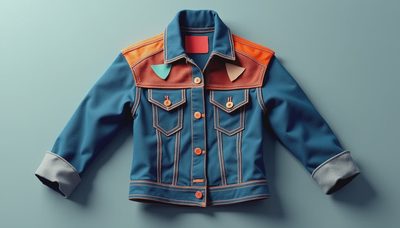
A striped or printed knit polo is a gentle introduction. Wear it with high-rise chinos and plain sneakers, keeping the rest of the outfit simple. A denim jacket is another reliable doorway into the decade. Look for a slightly boxy cut, a comfortable sleeve, and fading that comes from wear rather than artificial distressing. It can sit over almost anything already in your closet.
If you want something dressier, try a wide-lapel sport coat in tweed, corduroy, or a textured wool blend. Pair it with a plain knit, dark trousers, and understated shoes. This approach borrows the decade's shape without demanding a full retro outfit. The same principle works with vintage 70s clothing mens enthusiasts often overlook: accessories. A woven leather belt, amber-colored sunglasses, or a simple watch can shift the mood without making you look like you borrowed a wardrobe from a television set.
Before leaving a shop, inspect every button, zipper, seam, and pocket. Smell the garment in natural air, not under bright store lighting. Picture at least three outfits you can make with it. If you can name those combinations and still want the piece, you are probably looking at a useful addition rather than a temporary thrill.
Wearing the Decade With Your Own Point of View
The strongest vintage 70s clothing mens wardrobe is not an archive replica. It might combine a 1970s Wrangler jacket with contemporary fatigue pants, or an old rayon shirt with jeans you have worn for years. It might use one loud piece on Friday and nothing louder than a textured cardigan on Sunday. There is no prize for maximum historical accuracy.
Pay attention to comfort, proportion, and the details that made you stop in the first place. A zipper, label, fabric, or repair can tell you where the garment has been, but your way of wearing it gives the piece its next chapter. Start with one item, learn its language, and let the rest of the outfit speak more quietly. Every stitch has a story.

No letters yet — be the first to write.