If you've been scrolling vintage shops or flipping through old photos and felt a pull toward the 1940s style mens look, you're not alone. That era — sharp shoulders, high-waisted trousers, and workwear honesty — feels more substantial than most of what's in the mall today. Pulling it off takes more than buying a fedora. This is the 1940s style mens guide I wish someone had handed me when I started digging.
Now, let's get into the details.
Why the 1940s Still Matter for Men's Fashion
The 1940s sat between the Depression and the post-war boom. Fabric rationing made clothing practical, but the tailoring traditions of the 1930s survived. Men wore suits that fit their bodies. Jackets had padded shoulders and a nipped waist, trousers sat at the natural waist, and the whole silhouette looked like a capital V. That drape and structure is what makes 1940s style mens fashion so flattering. It smooths the midsection and makes legs look longer. A well-fitted 1940s-style jacket does more for your posture than any standing desk.
You don't have to go full Clark Gable. The reason this era keeps coming back is that its core principles — proportion, sharper shoulders, a tucked-in shirt — translate straight into modern wardrobes.
The Five Pieces That Define the Era
If you're building a capsule around the 1940s style mens aesthetic, these are the five things I'd source first.
High-waist double-pleated trousers. The real ones sit above your hip bone, not on it. They make a simple tee look intentional. A vintage pair with a Talon zipper and a wide waistband is a joy to wear.
The drape jacket. Sometimes called a drape-cut or lounge jacket, this is the most important 1940s style mens piece you'll own. Broad shoulders, a soft chest, and a waist that pulls in just enough. Brown, grey, or navy wool plaid is the classic move.
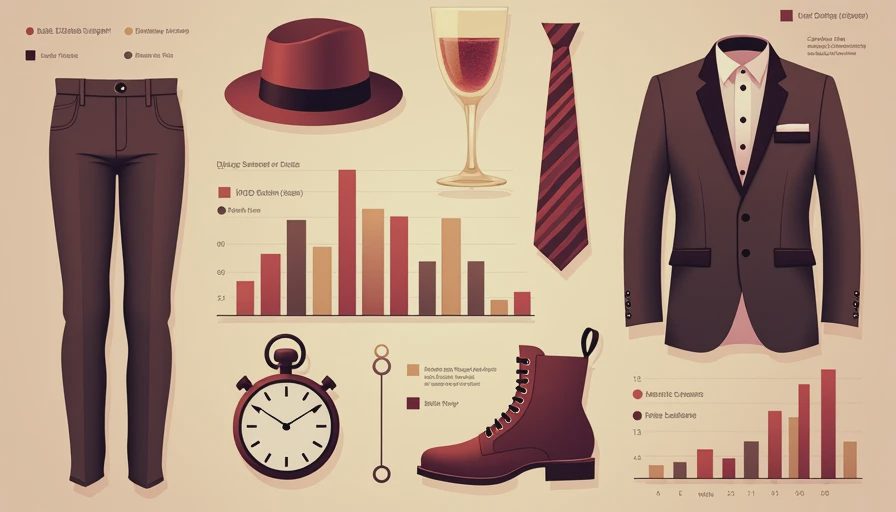
Work shirts. The 1940s working man wore heavy cotton chambray or twill shirts with two chest pockets. These are everywhere in vintage stores if you look past the stains. A good one runs 20 to 40 dollars and wears like a tank.
The wide tie. Neckties in the 1940s were around four inches wide at the blade, often in bold prints or horizontal stripes. Originals turn up at estate sales for a few bucks and instantly date a suit.
Laced boots or spectator shoes. You don't need original 1940s footwear — modern heritage brands like Red Wing or Allen Edmonds will get you there.
How to Spot the Real Deal: Fabric, Zippers, and Labels
The fastest way to tell a genuine 1940s garment from a reprint is to look at the details. Original pieces often have a War Production Board label, a blue eagle, or a union label from the Amalgamated Clothing Workers of America. Seams are finished with overcast stitching or rayon binding, and zippers are made by Talon or Crown. If you find trousers with a Talon zipper, a two-button adjustable waist tab, and a deep crotch, you're holding a real piece of history. That's the kind of construction that makes authentic 1940s style mens wear worth every dollar. Expect to pay 40 to 80 dollars for vintage wool trousers and 60 to 150 for a draped jacket.

The catch is sizing. The 1940s man was generally slimmer and shorter, and a lot of these garments run small. If the shoulders fit, the rest can be tailored — but you can't easily add fabric to a jacket that's too small.
Where to Find 1940s Style Mens Clothing Today
Thrift stores are hit or miss, but estate sales are the mother lode. Many suits at estate sales belonged to someone who bought them in the late 1940s and wore them for decades. Look for labels like Hickey-Freeman, Hart Schaffner Marx, Brooks Brothers, and Haspel. These premium makers produced the better-grade garments of the era, and they're still benchmarks. I once found a Hickey-Freeman drape suit at a Savannah house sale for twenty dollars. It needed a dry clean and a sleeve button, then it became my favorite item in the shop.
Online, search "1940s style mens suit" or "vintage 1940s trousers" on eBay, Etsy, and Depop. You'll pay more — a good drape jacket often goes for 80 to 150 dollars plus shipping — but the selection is broader. Look for sellers who post measurements and close-ups of labels and zippers. If they can't tell you whether the zipper works, move on.
How to Wear the 1940s Look Without Looking Like a Film Extra
The secret is mixing periods. Pair a 1940s drape jacket with a plain white tee, modern jeans, and clean leather sneakers. That contrast makes a single vintage piece feel like personality, not a costume. Wear a 1940s chambray work shirt with dark denim or olive chinos. Add a wide knit tie to a modern suit for a quick flash of 40s style. And if you want to dip a toe in without going all-in, start with one piece. A 1940s style mens trouser in a good pleated cut can elevate an outfit with zero effort.
The real lesson is proportion. That 1940s aesthetic works because every piece was designed to fit the human body. Aim for pants that sit at your waist, shoulders that line up, and a jacket that buttons without pulling. When you nail that, people won't ask if you're wearing a costume. They'll just ask where you bought your shirt.

No letters yet — be the first to write.