The best vintage garment in your closet is not necessarily the rarest one. It is the one you can wear, clean, store, and pass along without turning its seams into a cautionary tale. Learning how to care for vintage clothing to make it last starts with slowing down. Before you reach for detergent or a hot iron, study the fabric, construction, lining, closures, and any signs of previous repairs. Every stitch has a story, and a little patience keeps that story going.
Start With a Garment Inspection
When a vintage piece comes home, do not wear it immediately. Hang it in a shaded, well-ventilated spot for a day and inspect it in natural light. Look beneath the collar, around the cuffs, inside the waistband, and along the armholes. Those areas reveal sweat residue, weak thread, moth damage, and old stains that a quick rack inspection can hide.
Check the label and fiber content if one remains. Cotton denim, sturdy wool, linen, rayon, silk, and synthetic fabrics each respond differently to water and agitation. A 1950s rayon bowling shirt can look perfectly healthy until moisture causes puckering or bleeding. An old wool blazer may have a strong outer cloth but a fragile acetate lining. Test questionable trim, embroidery, and printed graphics with a barely damp white cloth in an inconspicuous place. If color transfers, stop and choose professional cleaning.
This first inspection is also when you should photograph existing flaws. A loose hem, missing button, or small hole is easier to track when you have a before image. How to care for vintage clothing to make it last is partly about cleaning, but it is equally about noticing small problems before they become expensive ones.

Wash Less and Wash Gently
Overwashing is one of the fastest ways to shorten a garment's life. If a jacket is not stained or sweaty, air it after wearing rather than automatically washing it. A wool sport coat often needs brushing and airing, not a trip through the machine. Denim benefits from occasional spot cleaning and a complete air-dry between wears.
For washable cotton, use cool water, a small amount of mild detergent, and the gentlest cycle available. Turn printed T-shirts, sweatshirts, and dark trousers inside out first. Skip chlorine bleach, fabric softener, scent beads, and aggressive stain removers. They can weaken fibers, leave residue, or alter an old graphic. A mesh laundry bag protects delicate pieces from zippers and hooks, although hand washing is safer for fragile knits and vintage lingerie.
Never assume a modern care label tells the whole story. A label may have been replaced, or a garment may have spent decades surviving a washing method that is not appropriate today. Hand washing in a clean basin with cool water is a reasonable choice for many stable fabrics, but do not twist or wring. Press water out with a towel, reshape the garment, and dry it flat when the fabric can stretch.
Handle Stains Without Making Them Worse
Stain removal rewards restraint. First identify what you are seeing: old oil, food, perspiration, ink, mildew, or dye transfer all require different approaches. Blot a fresh liquid with a clean towel. Do not scrub outward from the center, because that spreads the mark and roughs up the cloth. For an unknown vintage stain, test any treatment inside a hem or under a pocket flap.
Grease on a durable cotton work shirt can sometimes respond to a small amount of clear dish soap followed by a careful rinse. That approach is not suitable for silk, rayon, or garments with unstable color. Ink, mildew, and set-in yellowing deserve professional advice, especially when the piece is valuable. A dry cleaner experienced with vintage clothing is worth the conversation; ask whether the shop has handled rayon, beaded garments, hand-painted graphics, or weak seams before.
Do not put a stained garment in a dryer hoping heat will finish the job. Heat can permanently set discoloration and shrink fabric unevenly. Let the item dry naturally while you decide on the next step. How to care for vintage clothing to make it last often means accepting that one faint mark is better than a ruined shirt.
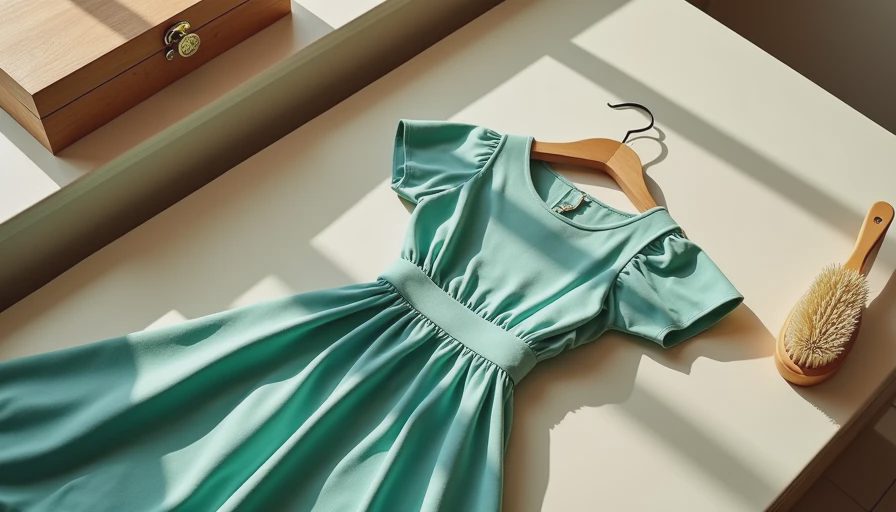
Store Vintage Garments Like Textiles, Not Decorations
Storage conditions matter most when the garment is not in use. Keep vintage clothing clean and completely dry before putting it away. Dirt, body oils, and food traces attract insects, while trapped moisture encourages mildew. In humid homes, including many Southern homes, leave space between hangers and use a dehumidifier or air conditioning rather than sealing damp garments in plastic.
Use broad, padded hangers for jackets and structured coats. Thin wire hangers can leave shoulder dents and distort old fabric. Heavy knits, beaded sweaters, and bias-cut garments should usually be folded with acid-free tissue to prevent stretching. Fold along natural seams and refold delicate pieces every few months so permanent creases do not form.
Avoid cardboard boxes, newspaper, and standard dry-cleaning bags for long-term storage. Acid-free archival boxes or clean cotton garment bags allow the fabric to breathe. Keep pieces away from direct sunlight, radiators, attic heat, and basement dampness. Cedar can help discourage some insects, but it does not replace regular inspection, and strong oils can cling to fabric. Once a season, check cuffs, collars, pockets, and folds for moth activity.
Repair Before the Damage Spreads
A loose button is a five-minute repair until it disappears and pulls the facing with it. Replace missing buttons with a close match, or keep the original in a small labeled envelope if a vintage replacement cannot be found. Reinforce a weak pocket corner before carrying keys or a phone. Small hand stitches are often less visible and kinder to old cloth than a fast machine repair.
For larger problems, find a tailor who understands older construction. Vintage jackets may have hand-finished buttonholes, unusual seam allowances, shoulder pads, or linings that do not respond well to modern shortcuts. A skilled repairer can stabilize a tear, replace a zipper, or rebuild a waistband without flattening the character of the original. Talon and Eclair zippers, union labels, and period-specific buttons can help match the repair, but perfect reproduction is not always necessary. A sound, honest repair is better than a distracting imitation.
Be careful with alterations. Taking in a seam by half an inch may be simple; shortening a jacket, moving pockets, or changing the rise can permanently alter its proportions. Wear the garment several times before committing. How to care for vintage clothing to make it last includes preserving what made the piece worth buying in the first place.
A Practical Routine for Long-Term Wear
Before wearing, check the weather and choose the right garment. Keep wool away from heavy rain, protect silk from deodorant and perspiration, and give leather shoes time to rest between wears. Use a soft clothes brush on coats and trousers, moving in one direction to remove dust without grinding it into the weave.
After wearing, empty pockets, hang the piece properly, and let it air for several hours. Spot clean only what needs attention. At the end of the season, wash or clean the garment appropriately, repair loose threads, and store it in a breathable cover. Record unusual details such as a fragile button, a color that bleeds, or a lining that needs support. That note will save you from making the same mistake six months later.
If you are unsure, ask before experimenting. A reputable vintage seller, textile conservator, or experienced cleaner can often identify the safest next step from a few clear photographs. How to care for vintage clothing to make it last is not about keeping every piece behind glass. It is about wearing good clothes thoughtfully, giving them recovery time, and making repairs while they are still small. Treat the garment like it has somewhere else to go after you, and it just might.



No letters yet — be the first to write.