The Blazer That Started the Conversation
I’ll never forget the first time I wore a 1960s navy wool blazer to a meeting shortly after moving to Savannah. A colleague raised an eyebrow and asked if I was going to a wedding later.
By the end of the day, three people had asked where I got it. The blazer wasn’t loud — it was well-cut, perfectly broken in, and styled in a way that felt like me.
That experience taught me: you absolutely can wear vintage to the office. It just takes intention. Here are three real examples from my own life and friends.
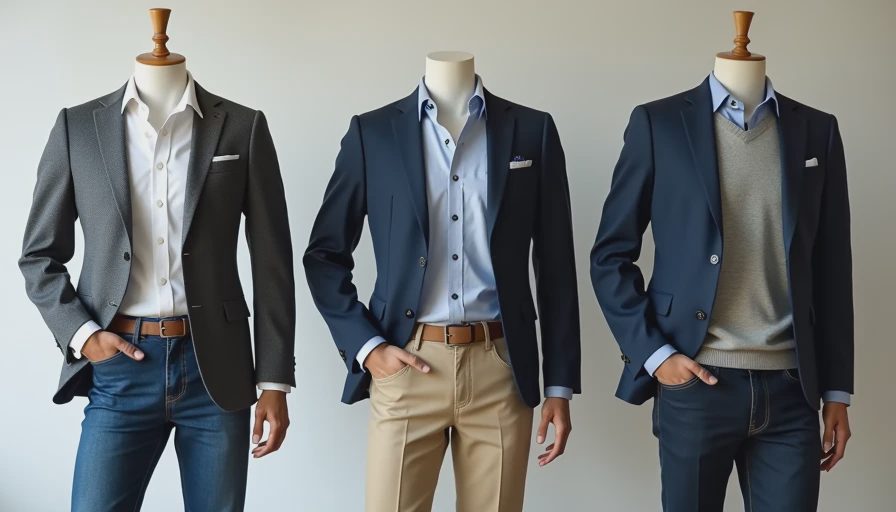
Outfit 1: Creative Studio Days (The Vault & Design Clients)
The Blazer: A 1970s charcoal tweed with subtle herringbone and working buttonholes.
The Look:
Vintage blazer over a simple white or cream oxford shirt (slightly rumpled for approachability).
Well-fitted dark selvedge jeans (not distressed).
Brown leather loafers or chelsea boots.
Optional: pocket square from an old bandana.
Where it works: Creative agencies, client meetings, content creation days.
This combination reads “thoughtful professional” rather than “guy who shops exclusively at thrift stores.” The tweed adds texture and personality without trying too hard.
I wear versions of this at least twice a week.

Outfit 2: More Traditional Office Settings
The Blazer: A lightweight 1960s seersucker in soft blue and white.
The Look:
Blazer over a light blue button-down.
Khaki or stone chinos with a clean break.
Leather belt that matches the shoes.
Simple leather sneakers or derbies for comfort.
Where it works: Corporate offices with business casual policies, bank meetings, or when meeting older clients.
Seersucker is Southern office gold. It’s breathable in our heat and reads as polished but not stuffy. The key is keeping everything else clean and well-fitted so the vintage piece becomes an accent rather than the main character.
Outfit 3: Hybrid / Flexible Work Environments
The Blazer: A 1980s navy wool blazer with subtle chalk stripe (sourced locally and tailored slightly).
The Look:
Blazer over a simple merino or cotton knit sweater.
Dark jeans or chinos.
White sneakers for comfort.
Minimal accessories.
Where it works: Remote/hybrid days, coworking spaces, or creative consulting gigs.
This is the most versatile. The structured blazer elevates casual basics while the sneakers keep it approachable.
Key Styling Principles That Remove the Costume Risk
Fit is everything. Tailor if needed. Shoulders are non-negotiable.
Balance old with new. Mix one or two vintage pieces with contemporary basics.
Consider your industry. Creative fields allow more personality. Traditional ones need more restraint.
Pay attention to condition. Clean, well-maintained vintage looks intentional.
Confidence sells it. Wear it like it’s normal — because it is.
What Colleagues and Clients Actually Say
Most people don’t clock “vintage.” They notice you look put-together, different in a good way, and memorable.
The seersucker blazer once got me a compliment from a very traditional client who said it reminded him of his grandfather — in the best possible way.
Common Mistakes to Avoid
Wearing too many vintage pieces at once.
Ignoring fit or condition.
Choosing theatrical pieces (loud patterns, heavy shoulder pads) for professional settings.
Pairing with overly trendy modern items that clash.
Why This Matters Beyond Fashion
Wearing pieces with history to work is a quiet statement. It says you value quality, character, and sustainability without needing to announce it.
It also makes getting dressed more fun. Your workday wardrobe doesn’t have to be boring.
Start Small and Build Confidence
If you’re nervous, begin with one blazer and one safe outfit. Wear it on a low-stakes day. Notice how it feels. Adjust from there.
The goal isn’t to look like a vintage model. It’s to look like the best version of yourself — with stories woven into the fabric.
Office-Appropriate Vintage Is Possible
Yes, you really can wear that vintage blazer to the office. In fact, your coworkers might start asking you for sourcing tips.
The key is intention, fit, and balance. Do that, and the blazer stops being “vintage” and starts being “that great jacket you always wear.”
Every stitch has a story. Sometimes the best stories are the ones you wear to 9-to-5 meetings.
What’s your go-to workwear vintage piece? Or what’s holding you back from trying? Drop it in the comments — I read them all.



No letters yet — be the first to write.