The Wallet Pain That Forced Change
I used to buy clothes based on “this looks cool” or “it’s on sale.” Then I’d get home, try them on under real lighting, and realize the olive green I loved in the store made me look like I needed a nap.
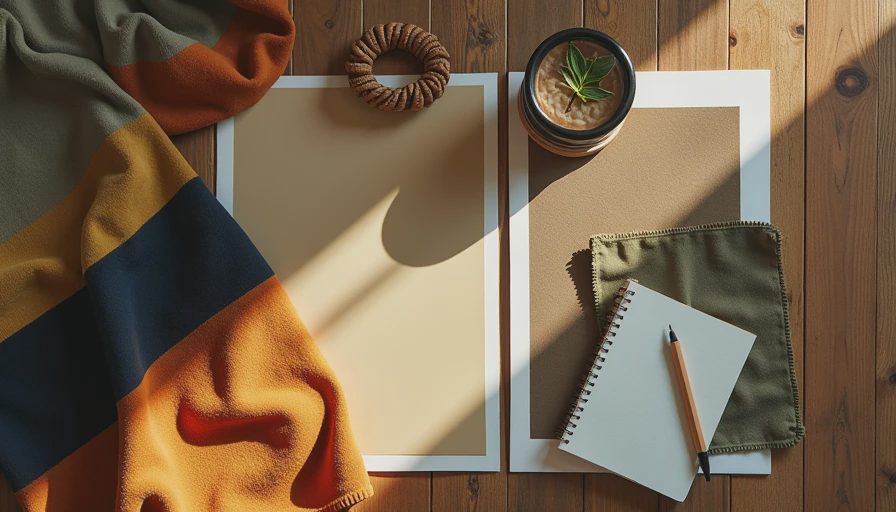
After too many regretful purchases — even in the thrift world — I finally sat down and built a personal color palette. It was one of the best decisions I’ve made for both my wardrobe and my wallet.
Here’s exactly how I did it, and how it can work for you.
Why Most Color Advice Falls Short
Generic “winter palette” systems ignore real life. They don’t account for your skin, your environment, or the fact that you live in humid Savannah where certain colors just feel better.
I needed something practical — a system based on my actual life, not fashion magazine ideals.
Step 1: The Honest Self-Assessment
I started with photos. I took selfies in different lighting wearing clothes I already loved versus ones I rarely wore.
What I discovered:
Warm undertones in my skin (golden, not pink).
Medium contrast level — not high-contrast dramatic, but not washed out.
I look best in earthy, muted tones with occasional bolder accents.
Rachel helped by holding different fabrics next to my face. Scout just stared at me like I was crazy, but that’s his default setting.
Step 2: Building the Core Palette
My current working palette revolves around these families:
Neutrals (The Foundation):
Warm khakis and stone colors
Deep navy (better than black for me)
Olive and forest greens
Warm grays and browns
Accents:
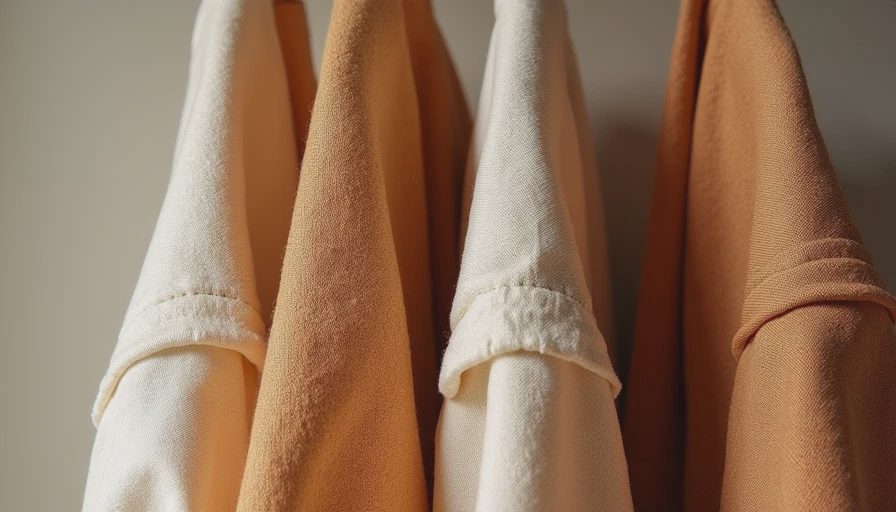
Terracotta and rust reds
Mustard yellows
Soft creams and ivories
The occasional deep burgundy
These colors work beautifully with the vintage pieces I love — Pendleton wools, chambray shirts, seersucker, and good denim.
Step 3: Testing in Real Life
Theory is nice. Real life is better.
I started a “test week” where I only wore pieces from my new palette. The difference was immediate. I got more compliments, felt more confident, and actually reached for the clothes instead of defaulting to the same three safe items.
The vintage armchair in the living room became my fitting room. I’d sit there with Scout and evaluate how colors felt throughout the day.
How This Changed My Thrifting Game
Now when I’m at the Starland flea market or The Vault, I have clarity.
That bright royal blue shirt? Beautiful, but not for me. Passed.
The warm olive chore coat? Immediately yes.
Mustard yellow bandana? Perfect accent.
This system has dramatically reduced “pretty but unworn” items in my closet.
The Savannah Factor
Living here influences everything. The Spanish moss, brick streets, and golden light favor warmer, softer tones. Bright cool colors that look great in New York can feel jarring under our Southern sun.
My palette reflects that — it harmonizes with the environment instead of fighting it.
Practical Tips for Building Your Own
Start with clothes you already wear and love. What colors dominate?
Use natural light for testing.
Consider your lifestyle — what do you actually do in these clothes?
Build slowly. Add one new piece at a time.
Reassess seasonally. Your palette can evolve.
The Freedom That Comes With Limits
Having a defined palette doesn’t restrict creativity — it frees it. When you know what works, you can play within those boundaries with confidence.
Mixing vintage eras becomes easier when the colors already harmonize.
What Ivy and Scout Taught Me
Ivy picks colors with pure joy and zero overthinking. Scout doesn’t care about color at all — he cares about comfort.
There’s wisdom in both approaches. My palette now balances intention with that same joy and comfort.
Stop Buying the Wrong Things
The best part? I almost never bring home pieces I regret anymore. Every new addition earns its place because it fits the system.
My closet is smaller, but every item gets worn regularly. The math works. The joy multiplies.
Start Your Own Palette Today
Take a photo of yourself in natural light. Grab some favorite garments. Hold them up. Take notes.
You don’t need a professional consultation or fancy apps (though they can help). You just need honesty and a little time.
Your future self — and your wallet — will thank you.
Every stitch has a story, but only the right colors let that story shine.
What’s one color you’ve realized looks great on you? Or one you finally stopped buying? Share below — I read every comment.



No letters yet — be the first to write.