The Zipper That Started My Obsession
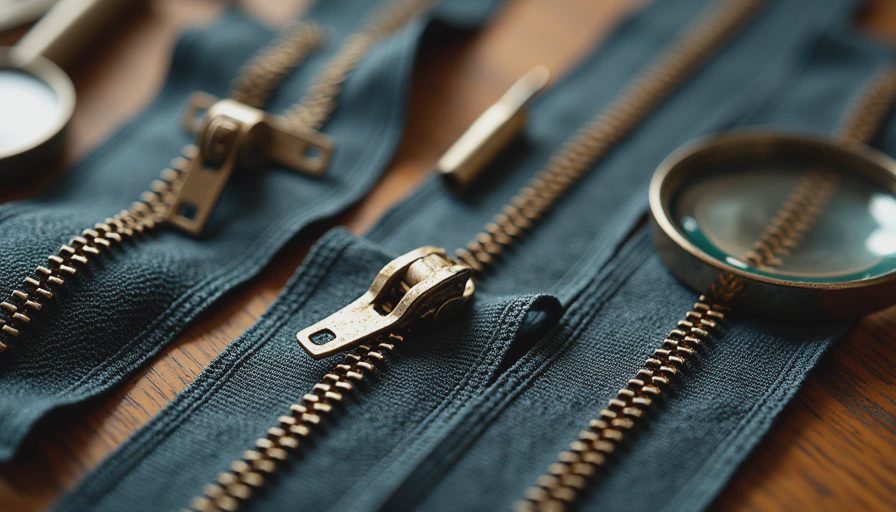
I was inspecting a 1960s leather jacket at The Vault when I noticed the zipper pull. It had that distinctive Talon script and a solid metal tooth feel that modern reproductions just can’t replicate. One glance at the zipper told me more about the jacket’s history than the faded label ever could.
Zippers are like fingerprints for vintage clothing. Once you learn to read them, you unlock a whole new level of confidence when thrifting. Here’s the beginner-friendly guide I wish I had years ago.
Why Zippers Are Such Reliable Time Capsules
Unlike fabric or even labels (which can be swapped), zippers are mechanically integrated and expensive to change. Manufacturers used specific brands and styles during different eras, creating reliable dating markers.
After handling thousands of garments, I can usually date a piece within a few years just by studying the zipper. It’s become one of my favorite quick detective tools.
The Major Players: Talon, Conmar, and YKK
Talon (The King of Vintage Zippers)
Talon dominated American garment production for decades and remains the gold standard.
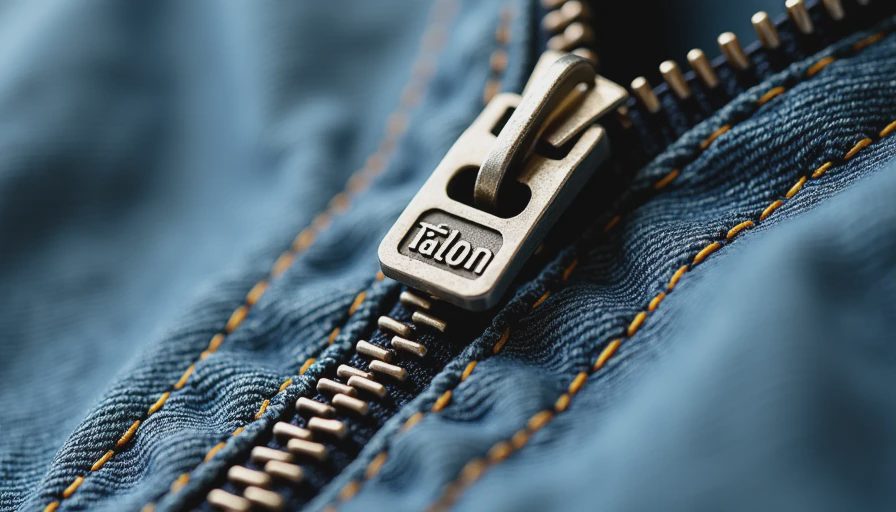
Pre-1960s Talon: Often have the full “Talon” name in distinctive script on the pull. Teeth are usually metal and quite robust.
1960s–1970s: The classic period. Look for the “Talon” pull with specific font variations and the small “M” or other codes on the slider.
Common on Levi’s, workwear, and quality jackets from this era.
Finding a genuine old Talon zipper always makes my day.
Conmar (The Underdog with Character)
Conmar was a strong competitor, especially in mid-century pieces.
Distinctive pull shapes that differ from Talon.
Often used in women’s clothing and some menswear through the 1950s–1960s.
The hardware has a slightly different tooth shape and slider design that becomes recognizable with practice.
YKK (The Modern Takeover)
YKK started gaining serious market share in the late 1960s and dominated by the 1980s.
Early YKK: Still high quality but with different pull designs and often plastic or lighter metal components.
1980s onward: The ubiquitous “YKK” stamp becomes standard. Very consistent but less soul than the earlier American makers in my opinion.
Seeing YKK on a piece that otherwise looks 1950s is often a red flag for later alterations or reproductions.
Quick Visual and Tactile Checks
When examining a zipper:
Pull Tab: Shape, stamping, and wear patterns.
Teeth: Material (metal vs plastic), size, and spacing.
Slider: The body that moves up and down — look for brand marks and construction quality.
Tape: The fabric part. Older tape is often cotton and shows appropriate aging.
Run your fingers over it. Good vintage zippers have a satisfying solid action even after decades.
Real-World Examples from Savannah Hunts
I recently found a beautiful 1970s suede jacket with a perfect Talon zipper. The smooth action and correct era markings confirmed it was original. It’s now one of my favorite pieces.
On the flip side, I passed on a “vintage” denim jacket because the YKK zipper was too new for the rest of the construction. Small details matter.
Common Pitfalls and Pro Tips
Reproductions often use modern YKK with fake aging. Check the overall consistency of the garment.
Zippers can be replaced, so always cross-reference with other clues (labels, construction, fabric).
Bring a small flashlight or use your phone light in dim thrift stores.
Photograph interesting zippers for your personal reference library.
How Zipper Knowledge Improves Your Thrifting
This skill helps you:
Avoid expensive mistakes.
Date pieces more accurately.
Appreciate the engineering that went into older garments.
Negotiate better when you spot inconsistencies.
At The Vault, it helps us properly value and describe inventory for customers.
Start Simple and Build Your Eye
Next time you’re out thrifting:
Check every zipper you encounter.
Note the brand and approximate era of the piece.
Compare your observations with online references or my earlier tag guide.
Within a few weeks, you’ll start spotting details automatically.
The Satisfying Click of Authenticity
There’s something deeply satisfying about that solid “click” of a well-made vintage zipper. It’s a small mechanical reminder that the garment was built with care and intended to last.
In our disposable age, finding that kind of integrity feels meaningful.
Every stitch has a story — and sometimes the zipper is narrating the most interesting chapter.
Next time you’re digging through racks in Savannah, give the zippers a little extra attention. You might just find your new favorite piece telling you exactly how old it really is.
I’ll be doing the same. Happy hunting, and may your zippers always glide true.


No letters yet — be the first to write.