An 1880s woman did not get dressed for a quick coffee run. Getting dressed meant layers, structure, and a silhouette carefully engineered from the skin outward. That is exactly what makes 1880s woman fashion so useful for anyone building a vintage wardrobe today: the clothes have a point of view. You do not need to recreate a museum display, either. With the right fabrics, proportions, and details, you can borrow the era without looking like you lost a bet with a theater department.
The silhouette tells the story
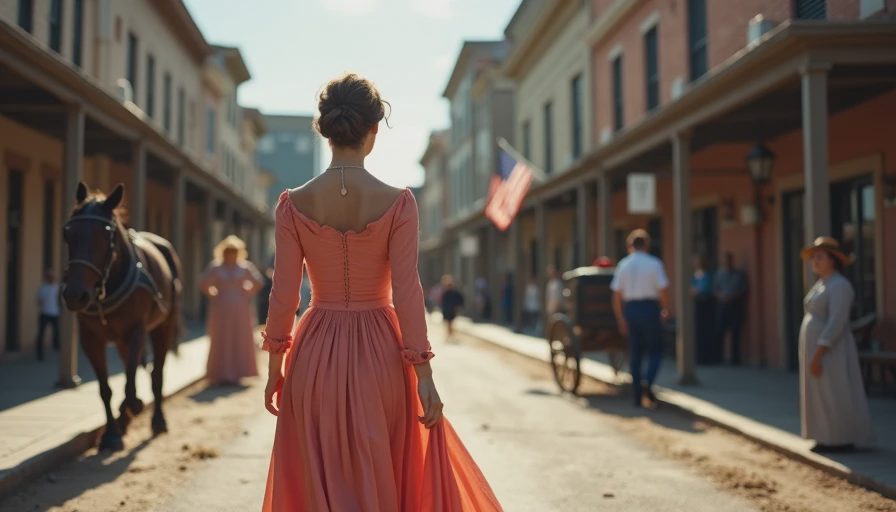
The first thing to understand about an 1880s woman is shape. The decade began with a pronounced bustle, then moved toward a narrower, more projecting form at the back. The front of the skirt was comparatively flat, while pleats, folds, and gathered fabric created volume behind the hips. A corset shaped the torso, but the finished outline also depended on petticoats, a bustle pad, and the cut of the outer skirt.
The bodice usually fit close to the body and extended over the hips. Sleeves could be slim at the upper arm or fuller near the shoulder, depending on the year and garment. Necklines ranged from high and modest for daytime to lower evening styles. This was not a relaxed, draped wardrobe. It was architectural clothing, with seams and lining doing much of the visual work.
For modern dressing, focus on the outline rather than copying every layer. A fitted jacket, high-waisted skirt, and a little volume behind the hips will communicate the decade more effectively than a pile of random lace. If the shoulders, waist, and back line are right, even a simple wool skirt can carry the reference.
Fabrics, colors, and construction
An 1880s woman might wear wool for a practical day dress, cotton for a house dress, silk for formal clothing, and velvet or brocade for a richer winter ensemble. Fabric quality mattered because the garments were expected to survive repeated wear, brushing, pressing, and alteration. Look for dense wool, sturdy cotton twill, silk with a little body, and lining that feels intentional rather than flimsy.
Color was not limited to dusty brown and faded black. Deep bottle green, burgundy, navy, plum, chocolate, rust, and warm cream all make sense for the period. Black was especially important for formalwear and mourning, but an all-black outfit still needs texture. Pair matte wool with satin ribbon, lace, polished buttons, or a slightly glossy skirt so the outfit does not become a flat block.
When shopping vintage, examine the inside first. Bound seams, hand stitching, metal hooks, fabric-covered buttons, and generous seam allowances are useful clues. A modern garment can still work, but avoid anything with an obviously contemporary stretch knit, plastic shine, or exposed sportswear zipper. Every stitch has a story, and the inside often tells it more honestly than the front.
Building the outfit without buying a costume
Start with one strong foundation piece. A high-neck blouse with a gathered sleeve can anchor trousers, a long skirt, or even a modern pair of straight-leg jeans. A fitted velvet jacket can suggest an 1880s woman without requiring a full historical costume. If you prefer menswear, try a high-waisted trouser, waistcoat, crisp shirt, and tailored frock-style coat. The era's emphasis on shape works across the wardrobe.
A practical outfit might combine a cream cotton blouse, a dark wool skirt, lace-up ankle boots, and a cropped jacket with a shaped waist. Another option is a burgundy velvet waistcoat over a high-collared shirt, worn with charcoal trousers and a long overcoat. Neither look needs an actual bustle pad. A carefully placed jacket hem or a slightly longer back panel can create enough historical tension.
The trick is contrast. Keep one or two details unmistakably old-fashioned, then let the rest breathe. Pair an antique brooch with plain denim. Wear a Victorian-inspired blouse under a work jacket. Use a historical hat with contemporary tailoring. A complete replica from head to toe can be beautiful, but it is harder to wear casually and easier to make look theatrical.
Accessories that make the era believable
Accessories carry a surprising amount of the period's identity. For an 1880s woman, gloves, a hat, a brooch, a parasol, and a small handbag were not afterthoughts. They finished the public presentation. You can get the same effect with a few well-chosen pieces rather than a crowded collection.
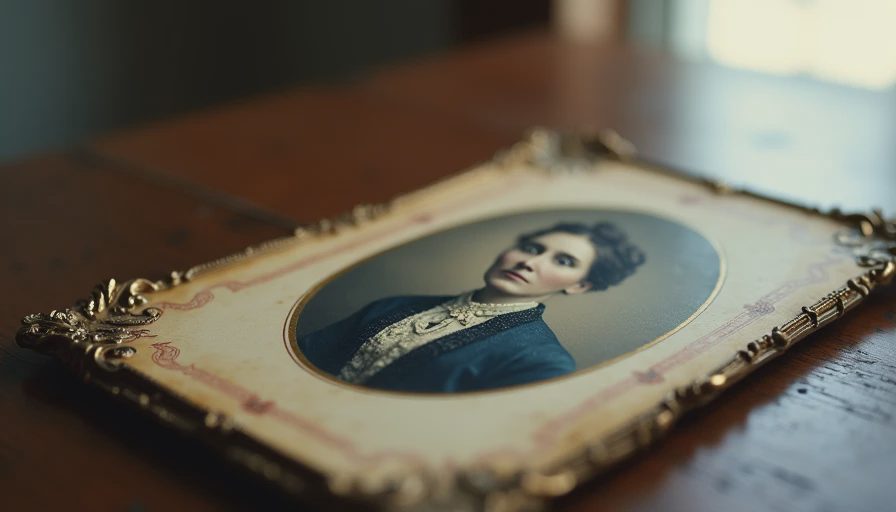
Look for a small structured handbag, preferably in leather or fabric with a firm frame. A cameo-style brooch, jet-colored beads, a watch chain, or a ribbon at the throat can provide a convincing focal point. Boots should have a narrow profile and a low heel; modern chunky soles usually pull the eye toward the present. A lace-up boot from brands such as Frye can work when the shape is restrained, while a sleek Chelsea boot can serve as a less literal substitute.
Headwear deserves care. A modest straw hat, small felt hat, or ribbon-trimmed cap often looks more natural than an enormous theatrical bonnet. Keep the decoration intentional. One feather or ribbon is usually stronger than a whole craft-store bouquet. Hair can be pinned, braided, or tucked beneath a hat, but the goal is a finished frame around the face, not historical cosplay by default.
Thrifting and altering an 1880s-inspired wardrobe
The best hunting grounds are estate sales, antique malls, costume departments, and thrift stores with older formalwear. Search by material and construction rather than relying only on decade labels. A wool skirt with a high waist may be more useful than a tagged “Victorian” costume made from polyester. Check the waistband, hem, lining, and closures before you buy. A missing button is manageable; brittle fabric and shattered silk are not.
Alterations are where a decent find becomes personal. A tailor can raise a waist, shorten a sleeve, replace a zipper with hooks, or reshape a jacket. Budget roughly $25 to $50 for simple button or hem work and $75 to $200 for more involved tailoring, with prices varying by garment and location. Do not cut an antique piece until you understand its condition. I once paid too much for a beautiful black jacket whose lining had quietly disintegrated at every seam. The outside was a dream; the repair bill was a ghost story.
For an 1880s woman look, prioritize fit at the shoulders and upper chest. Hems and sleeve lengths are easier to adjust than a badly shaped shoulder. If the garment feels comfortable enough to move, sit, and breathe, it has a future. Vintage should have a little ceremony, not a punishment attached to it.
Wearing the look in real life
An 1880s woman-inspired outfit works best when it belongs to the wearer. For a gallery opening, try a high-neck blouse, wide velvet skirt, ankle boots, and a compact jacket. For an ordinary weekend, use one period reference: a lace-collar shirt, a brooch, or a high-waisted wool trouser. For a formal event, a dark jacket with a curved waist and a silk tie can suggest the era without turning dinner into a reenactment.
Fit matters more than historical purity. If you like oversized clothing, keep the body relaxed but add a structured collar or vintage button. If you prefer sharp tailoring, use a narrow waist and clean shoulder line. Men, women, and anyone shopping outside those categories can borrow these ideas; historical clothing is a set of visual tools, not a permission slip controlled by a rulebook.
Before leaving the house, check the outfit from the side. The 1880s woman silhouette depends on profile as much as the front view. Look for a balanced back line, sleeves that sit correctly, and accessories that do not compete. Then remove one unnecessary detail. Good vintage styling has room for the eye to rest.
The reward is not pretending to live in the 1880s. It is learning to notice why an old garment works: the hand of the cloth, the patience in the seams, the way a button changes the whole front of a coat. Find one piece with a history, wear it alongside something honest from your current closet, and let the conversation happen. Every stitch has a story.
No letters yet — be the first to write.